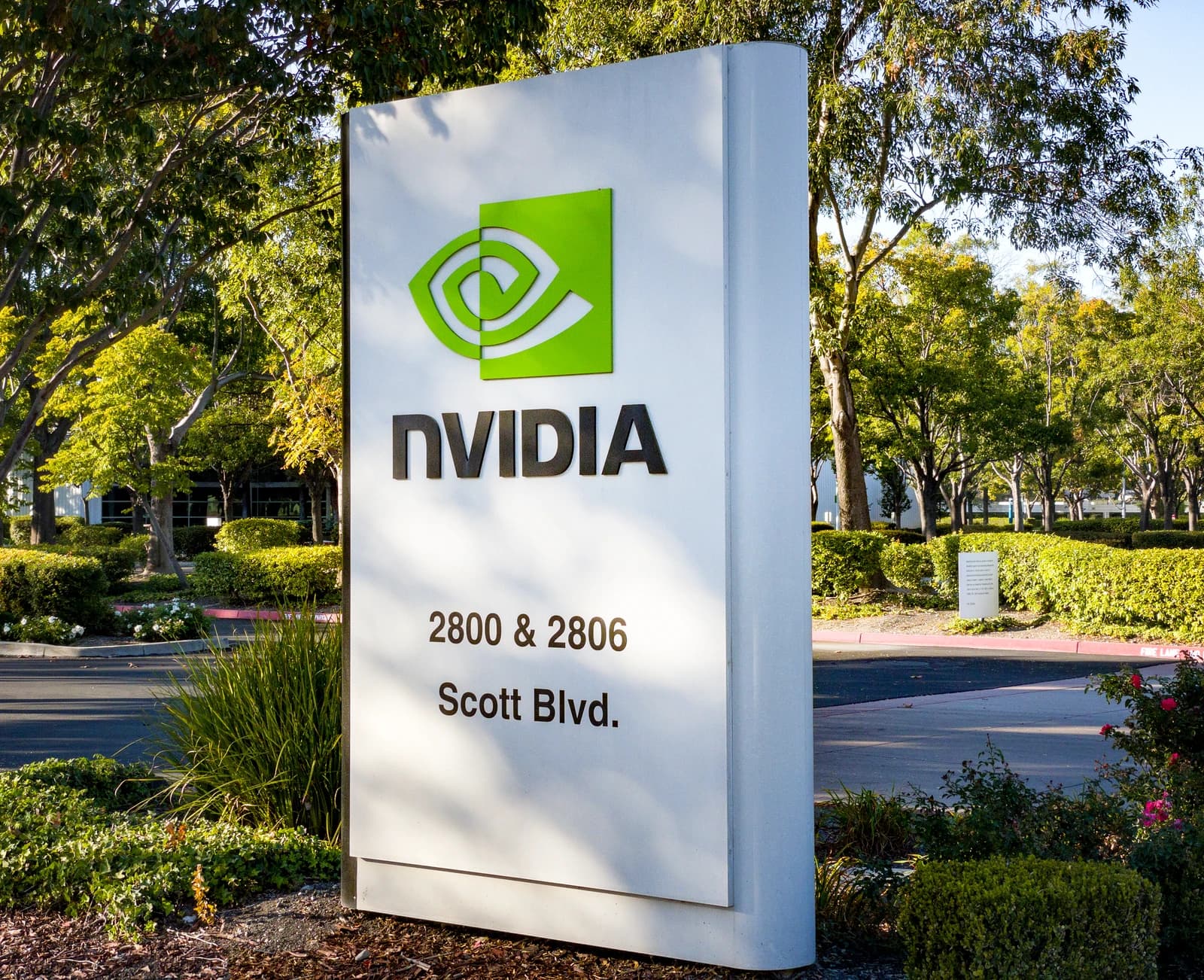
Bill Ackman’s quick exit from Nvidia after just one quarter underscores how sharply the market has re-priced the AI trade and how little room there is for disappointment in the sector’s biggest winner.
Nvidia falls after Ackman exits AI trade

For investors, the trade matters less as a vote on one stock than as a read on positioning. Nvidia has remained one of the market’s central AI beneficiaries, but the latest price action shows that even high-conviction capital is becoming more selective after a huge run. Nvidia shares closed at $225.07 on Sept. 25, about 13% below their May peak, while still holding well above the 200-day moving average near $199. The stock has been volatile enough to keep momentum traders engaged, but not so weak as to suggest the AI cycle has broken.
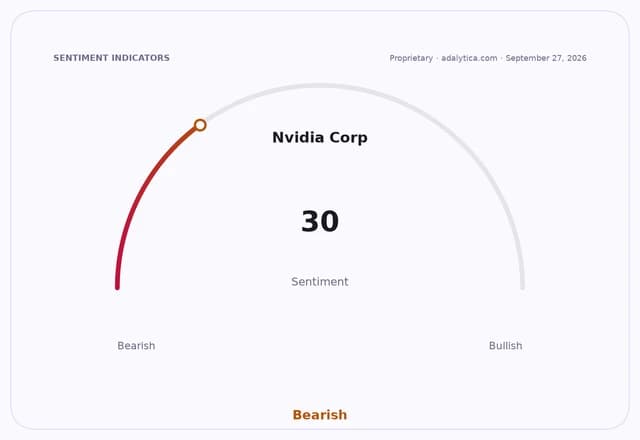
Sentiment IndicatorsⓘProprietary · adalytica.com · September 27, 2026
This is a snapshot — live sentiment, awareness and momentum for 130+ markets update continuously in the dashboard.Open AlphaPulse
Ackman’s decision lands at a moment when the broader market is still rewarding AI exposure. The S&P 500 finished at 771.35, close to record levels, and Microsoft ended at $516.17, near the top of its recent range. That gap matters: investors are continuing to favor companies that can monetize AI through software, cloud and enterprise adoption, while scrutinizing semiconductor names more closely for valuation, capex intensity and the durability of demand.
Nvidia has remained the clearest barometer of that tension. The stock’s 50-day moving average has climbed to $215.79, above the 200-day average of $199.13, a sign that the longer trend is still constructive. But the technical picture has cooled from earlier in the year, with RSI readings in the mid-40s to low-50s and Bollinger Bands narrowing from the summer surge. That suggests the market is consolidating gains rather than chasing another immediate breakout.
The timing of Ackman’s exit also highlights a broader debate among institutional investors: whether the AI boom is still early or whether the easy money has already been made in the most obvious winners. Bulls argue that Nvidia remains indispensable to cloud providers, hyperscalers and enterprise AI builders, and that demand for accelerated computing is still outpacing supply. Bears counter that the stock already discounts years of growth, leaving it vulnerable if capital spending slows or if customers shift toward more customized chips and software alternatives.
That tension is visible in sector sentiment as well. Adalytica’s NVIDIA earnings sentiment sits in “Fear,” even as its awareness reading improved, reflecting a market that is still highly focused on the name but less comfortable extrapolating recent gains. By contrast, Microsoft’s sentiment remains much firmer, consistent with the view that software platforms may offer a steadier way to capture AI economics than pure-play chip exposure.
Ackman’s move may not trigger a broad reassessment of Nvidia’s fundamentals, but it does reinforce a key investor lesson: in the AI trade, leadership is no longer enough. The market is now rewarding proof of monetization, margin durability and capital efficiency, and it is increasingly willing to rotate out of crowded winners when the risk-reward gets less compelling.
If the AI rally is to extend from here, investors will want to see continued demand from hyperscalers, resilient guidance from Nvidia and no sign that spending by the biggest buyers is peaking. Otherwise, the more crowded parts of the trade could remain vulnerable to rapid capital rotation.
| Entity | Gains | Losses |
|---|---|---|
| Microsoft | ▲Steadier AI monetization story | ▼Less direct exposure to chip upside |
| Nvidia | ▲Core AI demand remains intact | ▼Faces valuation and crowding pressure |
| AI bulls | ▲Ongoing sector momentum | ▼Risk of near-term consolidation |
| AI skeptics | ▲Better entry points on pullbacks | ▼Missed upside if spending keeps accelerating |