Nvidia’s latest quarter showed blistering demand, but the bigger investor question is whether the AI boom is starting to lean on vendor financing and slower collections.
Nvidia Revenue Jumps as Receivables Rise

The company reported $96.2 billion in fiscal second-quarter revenue, more than double a year earlier, and said gross margin held at 75%. It also guided for about 70% revenue growth over the coming fiscal year and $108 billion in sales for the current quarter, a figure that would imply another 17% sequential increase. By any normal measure, the quarter was exceptional.
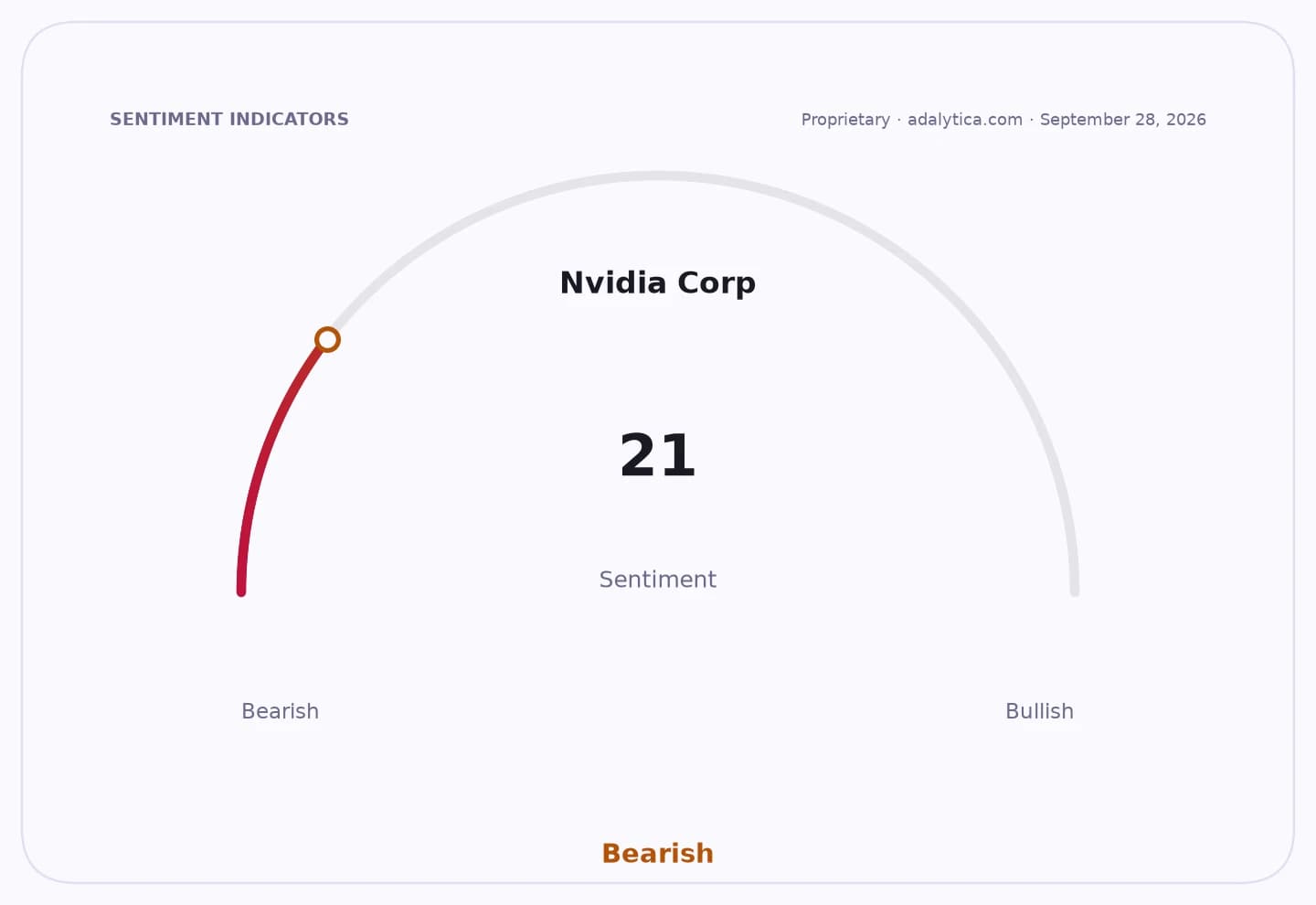
Sentiment IndicatorsⓘProprietary · adalytica.com · September 28, 2026
This is a snapshot — live sentiment, awareness and momentum for 130+ markets update continuously in the dashboard.Open AlphaPulse
What stood out in the fine print was the balance sheet. Nvidia’s total assets rose more than 50% in six months, and receivables jumped from $38.5 billion in January to $63.1 billion at the end of July. Days sales outstanding, or DSO, climbed to 60 days from 45 in the prior quarter, meaning customers are taking longer to pay. Nvidia said it extended payment terms on large orders from certain customers, which explains part of the increase but also raises the question of how much of the AI infrastructure buildout is being financed through the supplier.
That matters because Nvidia is no longer just selling chips into organic demand. It is increasingly helping structure and fund the ecosystem around those chips, including backing up to $105 billion of data center lease obligations for OpenAI and helping assemble more than $500 billion of outside capital for AI infrastructure partnerships. Those arrangements can lock in long-term business and deepen customer relationships, but they also blur the line between sales growth and financing support.
For investors, the key issue is not whether demand exists — it plainly does — but whether demand is converting into cash at the same pace as revenue. A rising receivables balance on top of already aggressive growth can be benign if collections normalize and inventory stays aligned with sales. It becomes more concerning if working capital keeps expanding faster than the top line, suggesting customers are stretching payments or that Nvidia is increasingly carrying the burden of funding the buildout itself.
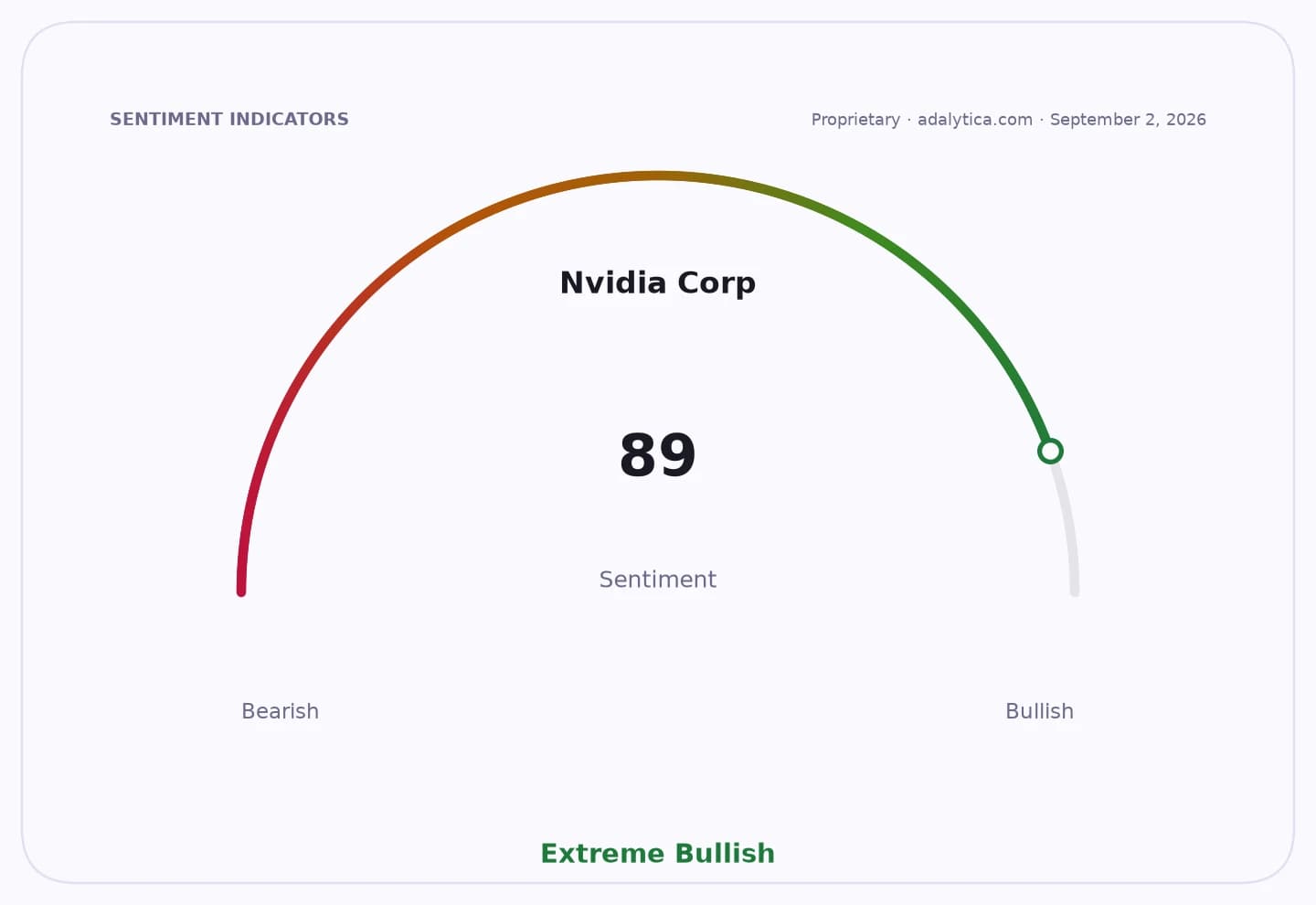
The market has so far treated Nvidia’s AI dominance as a growth story with near-term scarcity economics, and the stock remains close to its highs even after recent volatility. Technical indicators such as the 50-day and 200-day moving averages still point to a constructive longer-term trend, while Adalytica’s sentiment gauge on Nvidia has recently shown fear rather than euphoria, underscoring how much scrutiny the name now attracts despite its powerful earnings trajectory.
The bull case is straightforward: Nvidia is extending payment terms to strategic customers in order to secure multi-year AI orders, and the receivables spike is simply the cost of scaling a platform that still appears supply-constrained. The bear case is that the business is becoming more capital-intensive than the headline growth suggests, and that a slower AI spending cycle would show up first in DSO, receivables and inventories before it shows up in revenue.
For now, the quarter confirms that Nvidia remains the central trade in AI infrastructure. The next few reports will show whether that growth is still being paid for in cash, or increasingly with promises.
| Entity | Gains | Losses |
|---|---|---|
| Nvidia | ▲Revenue growth; long-term contracts | ▼Cash conversion pressure |
| AI customers | ▲Flexible payment terms; financing support | ▼Higher leverage to Nvidia supply |
| Long investors | ▲Strong sales and margin growth | ▼Working-capital risk |
| Short investors | ▲Slower collections narrative | ▼Continued demand momentum |