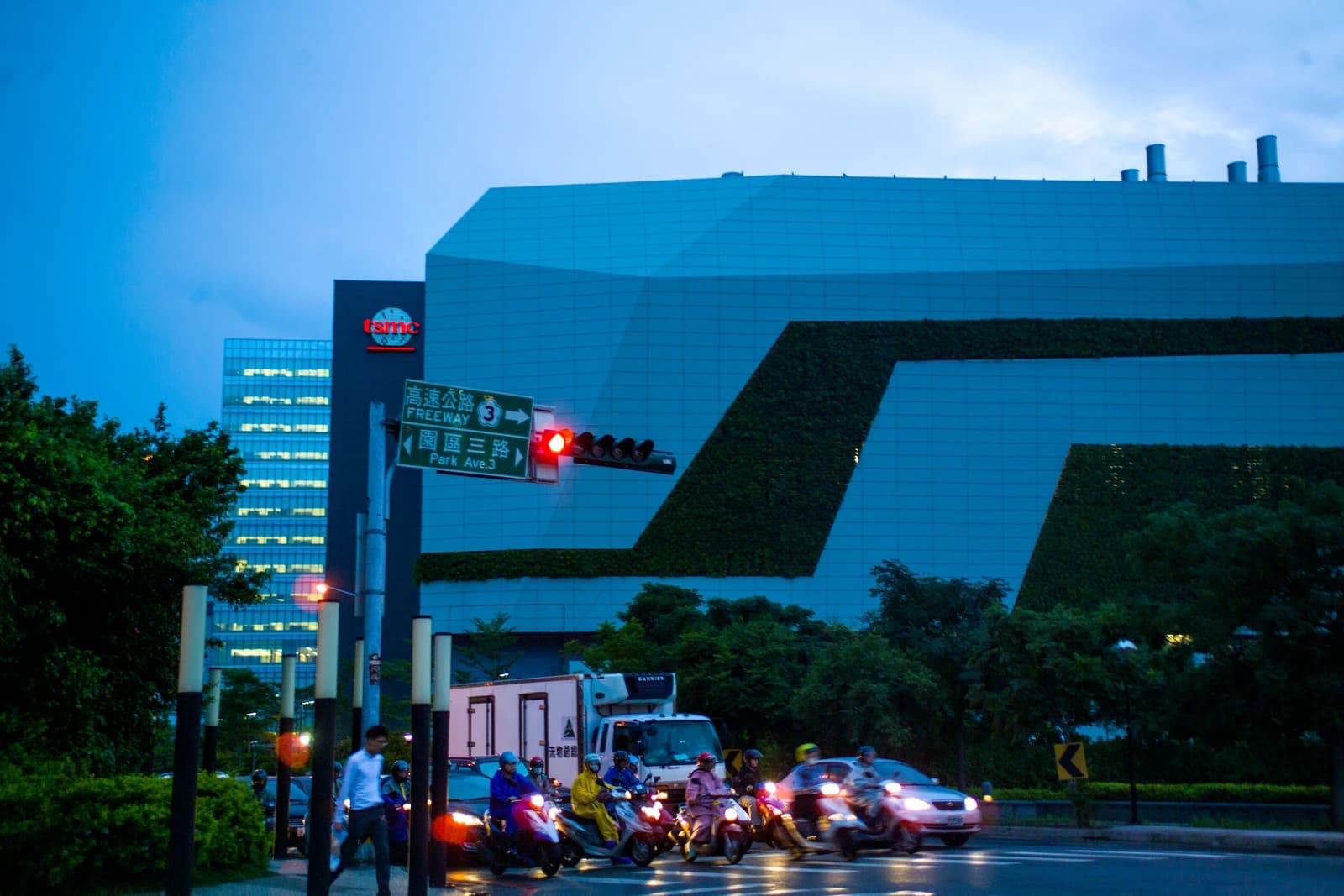
Taiwan Semiconductor Manufacturing Co. is still the clearest way to play the artificial-intelligence buildout as hyperscaler spending keeps climbing, while the stock’s valuation remains below what its growth and cash generation imply.
TSMC Revenue Growth and AI Demand Lift Outlook
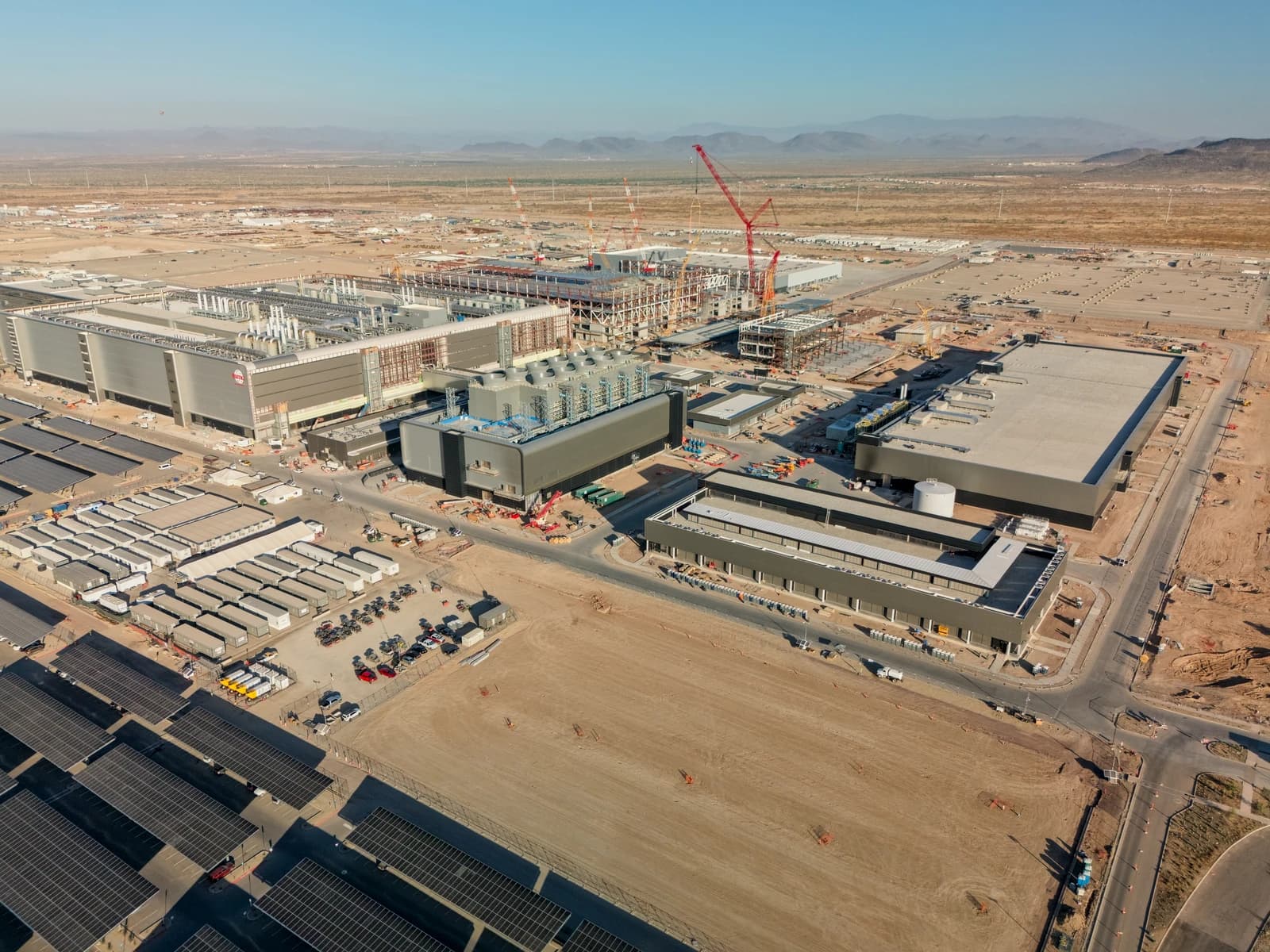
The case rests on one simple point: the AI capex cycle is not slowing. A recent estimate in the market points to hyperscaler spending reaching $1.3 trillion in 2027, and nearly every major AI chip contender still needs TSMC’s fabrication capacity. That makes the Taiwanese foundry the main economic toll booth on the AI infrastructure boom, with demand flowing through advanced-node wafers, packaging and related manufacturing services.
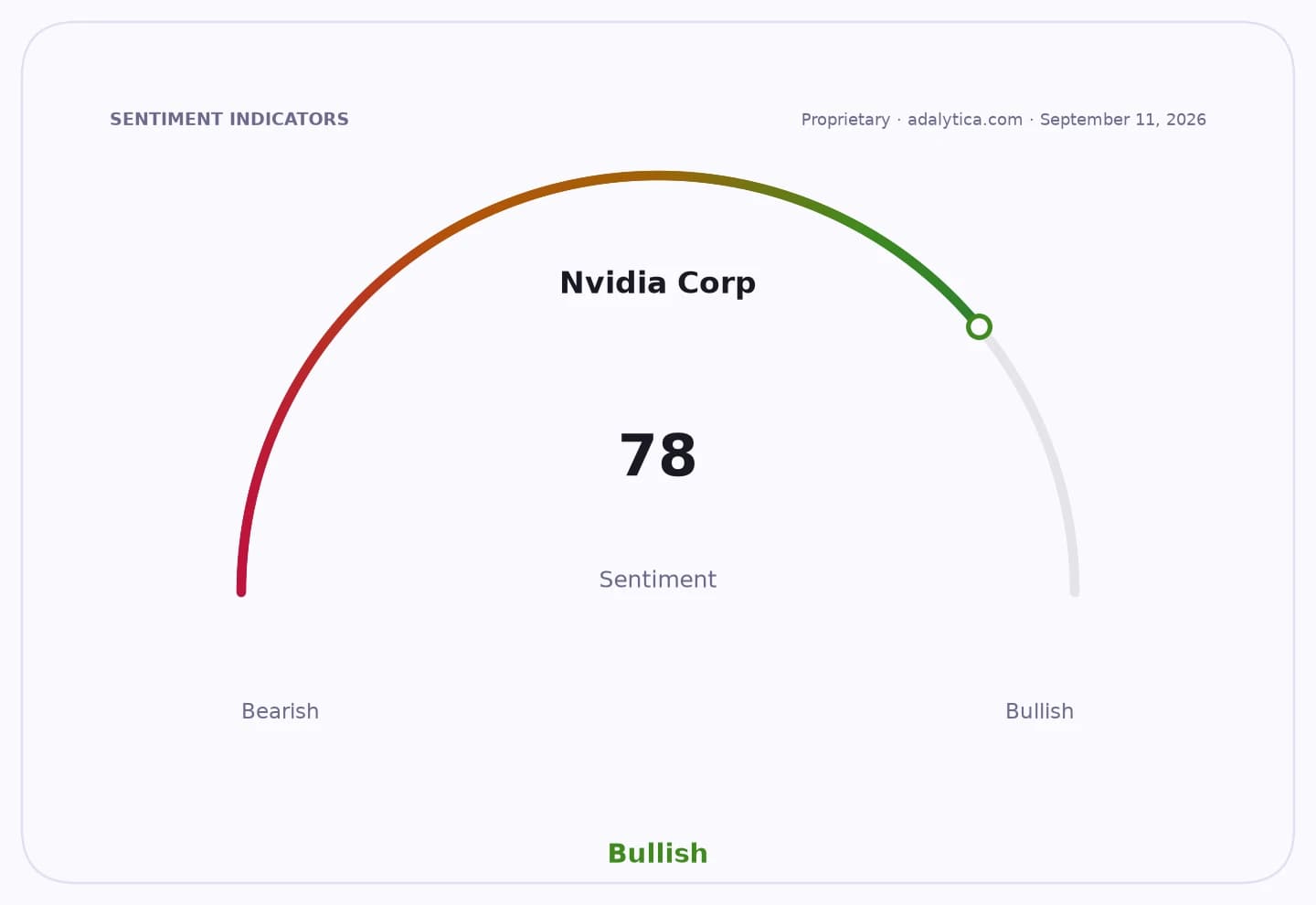
Sentiment IndicatorsⓘProprietary · adalytica.com · October 1, 2026
This is a snapshot — live sentiment, awareness and momentum for 130+ markets update continuously in the dashboard.Open AlphaPulse
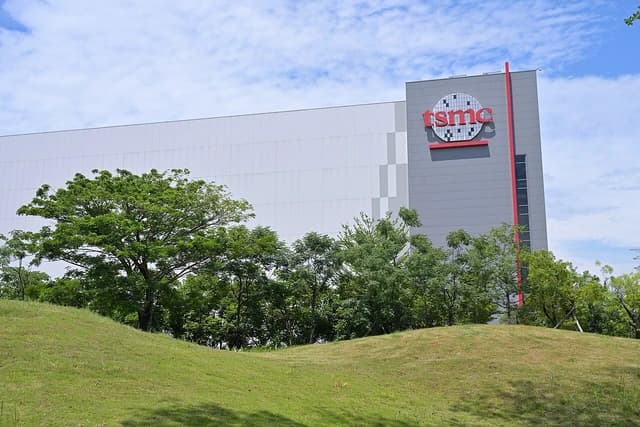
TSMC’s latest operating data support that view. The company posted 33.7% year-over-year revenue growth in the second quarter of 2026, alongside a 67.7% gross margin and a 60.3% operating margin, and it is guiding for 37% revenue growth in the third quarter. August revenue rose 10.1% from July and 33.8% from a year earlier, reinforcing that orders remain strong even after a volatile stretch for semiconductor shares.
Investors have also been left with a valuation gap that looks hard to justify if AI spending stays elevated. TSMC trades at about 20.37 times estimated 2027 earnings, while earnings per share are projected to rise nearly 30% annually through 2028. For a company with dominant market share, high margins and secular demand from Nvidia, Broadcom, AMD, AMD-like custom chip programs and the major cloud providers, that multiple looks modest.
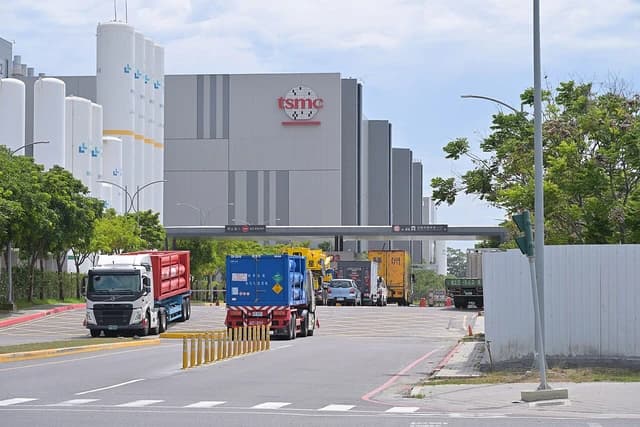
The stock’s technical profile is also constructive. TSMC’s shares recently closed at $456.19, above both the 50-day moving average near $422 and the 200-day moving average around $384, while the RSI sits near 68, suggesting momentum remains firm but not yet extreme. The broader semiconductor ETF SOXX has also recovered strongly, underscoring that the market is again rewarding names tied to AI infrastructure rather than consumer-chip cyclicality.
Still, the bull case is not risk-free. TSMC remains heavily exposed to Taiwan, and the market is watching whether overseas capacity expansion and the ramp to 2-nanometer production will pressure margins. There is also a growing dependency on a small group of hyperscalers that are now financing massive AI buildouts with debt and cash flow rather than just incremental cloud budgets.
For investors, the immediate question is whether the AI capex wave extends long enough to keep TSMC’s utilization high while earnings compound faster than the stock price. The next catalysts are TSMC’s monthly revenue prints and the next update on hyperscaler capital spending, which will determine whether the foundry’s premium economics can keep outpacing the market’s still-conservative valuation.
| Entity | Gains | Losses |
|---|---|---|
| TSMC | ▲Higher AI wafer demand | ▼Margin pressure from expansion |
| Nvidia, hyperscalers | ▲Access to leading-edge chips | ▼Higher capex burden |
| SOXX semiconductor ETF holders | ▲Sector momentum | ▼Bears on cyclicals |
| Short sellers | ▲— | ▼Rising earnings multiple |