TSMC has moved its A14, or 1.4-nanometer, chipmaking process into pilot production, a key step that puts the world’s top contract chipmaker on track for another leap in the race to build more powerful and energy-efficient semiconductors for artificial intelligence and mobile devices.
TSMC A14 chip process enters pilot production

The pilot phase is economically important because it tests whether new tools, factory lines and process controls can support mass production without unacceptable yield or cost setbacks. For TSMC, the transition is a sign that work on its next leading-edge node is progressing ahead of schedule, with volume production still targeted for 2028.
Sentiment IndicatorsⓘProprietary · adalytica.com · October 2, 2026
This is a snapshot — live sentiment, awareness and momentum for 130+ markets update continuously in the dashboard.Open AlphaPulse

TSMC says A14 should deliver 10% to 15% better performance at the same power level compared with its 2-nanometer N2 process, or cut power consumption by 25% to 30% at equal performance. That matters most for AI accelerators and smartphone chips, where higher speed and lower energy use translate directly into longer battery life, lower operating costs and denser server deployments.
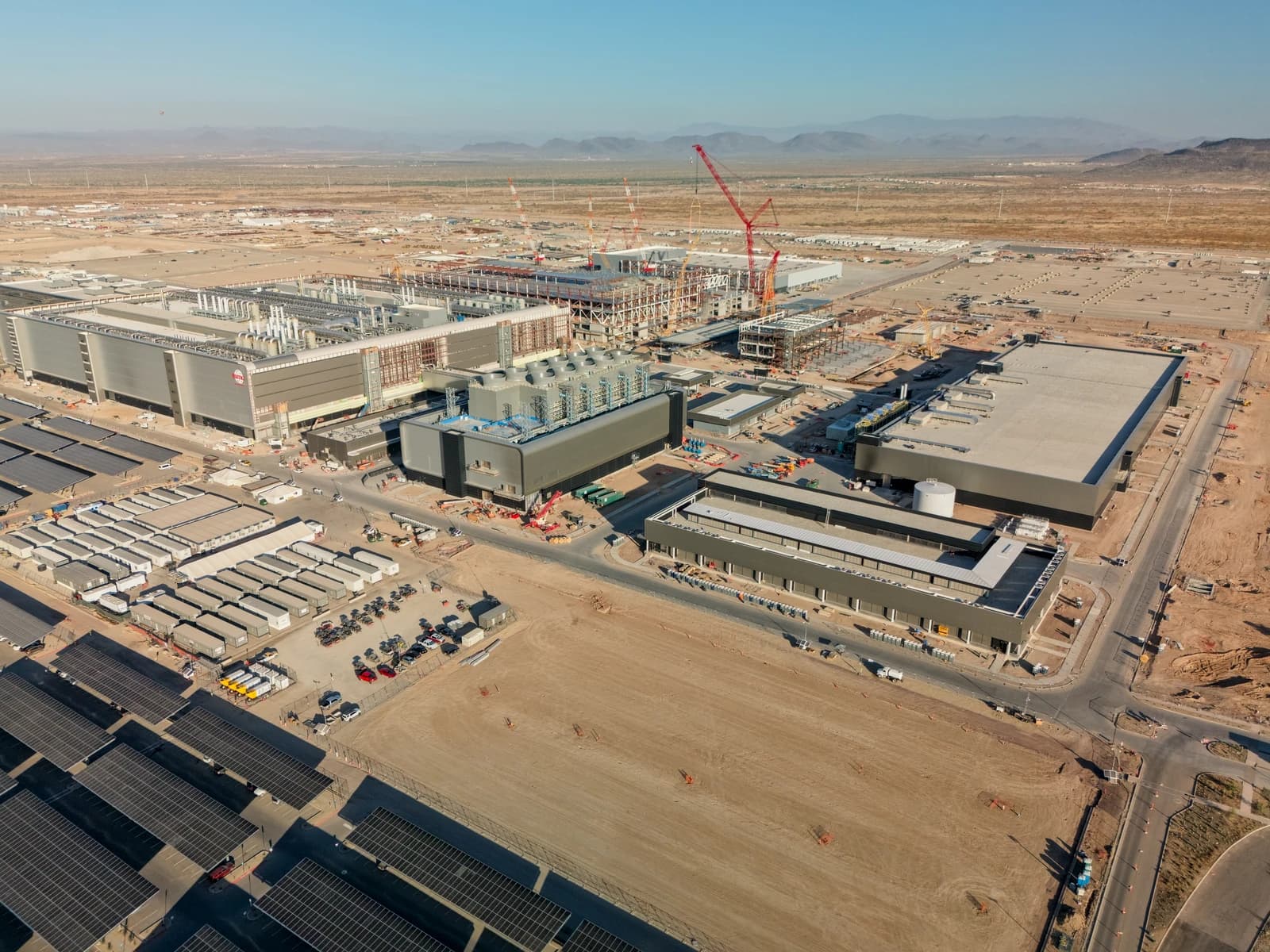
The company is running pilot work at its Fab 25 facilities in Hsinchu Science Park and Central Taiwan Science Park, where it is checking whether equipment and factory infrastructure can handle the new process. TSMC says efficiency work on A14 is ahead of plan, and results from the pilot stage will help determine how quickly the process can be scaled.
The move extends TSMC’s technology lead at a time when investors are focused on whether the AI buildout can sustain capital spending across the semiconductor supply chain. TSMC shares have risen sharply this year and were last at $459.20, above the 50-day moving average of $422.90 and the 200-day moving average of $384.48, with RSI readings near 67, a sign the stock remains strong but not far from technically stretched territory.
Rivals and customers are also under pressure to keep pace. Nvidia, whose AI chips rely on TSMC’s manufacturing capacity, closed at $230.86, while Intel ended at $120.00 as it tries to regain ground in advanced manufacturing. A faster-than-expected move on A14 supports the view that TSMC will remain the key supplier for the most advanced AI and mobile chips as the industry moves beyond 2 nanometers.
TSMC’s next node, A13, is scheduled for volume production in 2029 and is designed to shrink chip area by 6%. The company says A14-compatible design rules should limit the amount of retooling needed later, lowering the friction for customers that want to move quickly to the next generation of chips.
The main catalyst now is whether TSMC can convert the pilot results into a clean ramp without yield problems or cost inflation. For investors, the payoff would be a longer technology lead, stronger pricing power and a deeper moat around the AI supply chain.
| Entity | Gains | Losses |
|---|---|---|
| TSMC | ▲Technology lead | ▼Near-term ramp risk |
| Nvidia and AI customers | ▲Better chip efficiency | ▼Higher dependence on TSMC |
| Intel | ▲Catch-up pressure relief | ▼Competitive gap widens |
| Chip equipment suppliers | ▲New tool demand | ▼Delayed orders if yields slip |