China and the European Union are trying to cool a widening trade fight that has been driven by the bloc’s 360 billion euro surplus with China and a rapid buildup of import curbs on both sides.
EU-China Trade Talks Face October Deadline

The talks matter because the imbalance is large enough to feed a broader policy shift in Europe, where officials are under growing pressure to protect manufacturers from subsidized Chinese goods without triggering a full-scale retaliation from Beijing. For investors, that raises the stakes for autos, batteries, industrials and semiconductor-equipment makers, which sit at the center of the dispute.
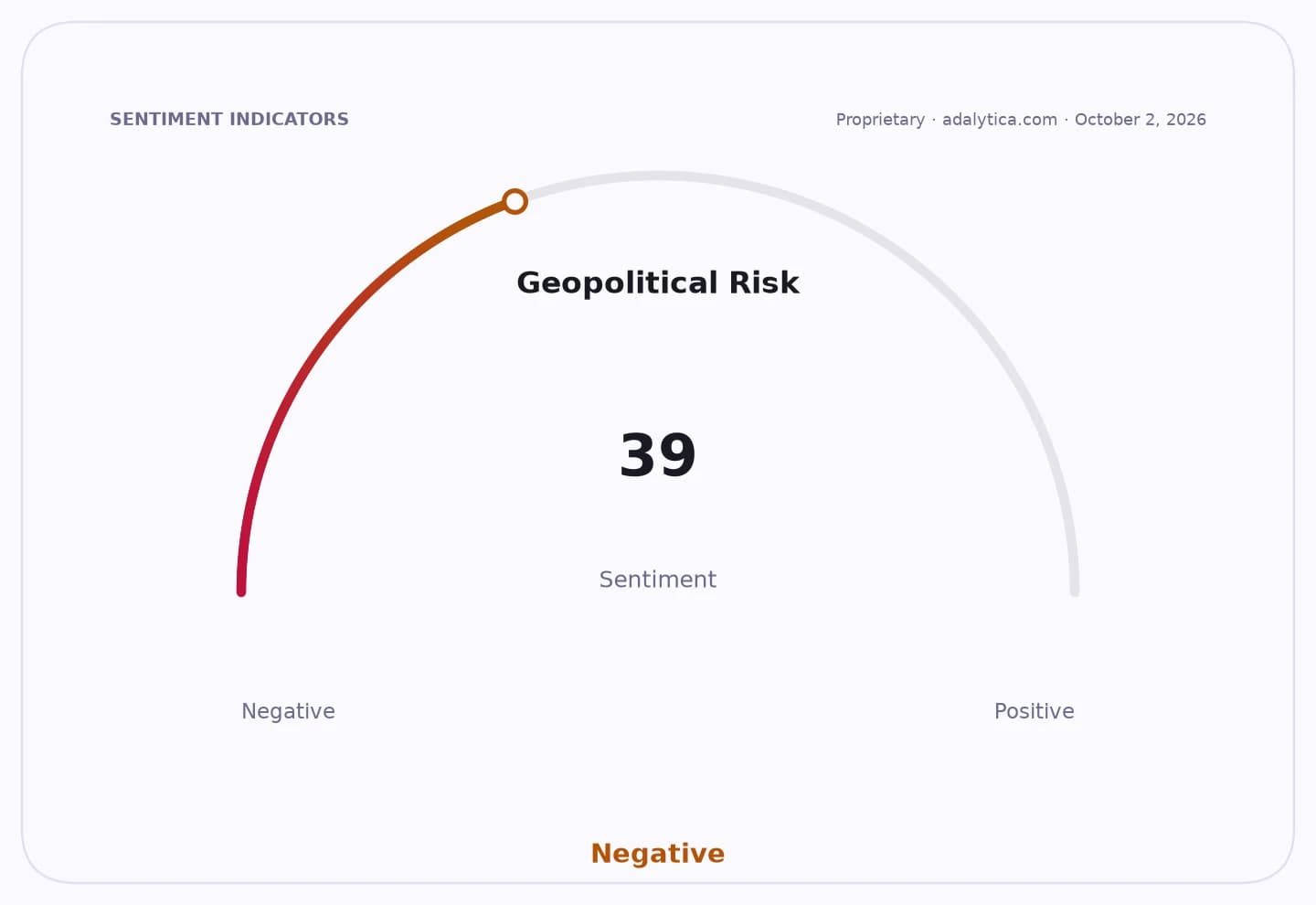
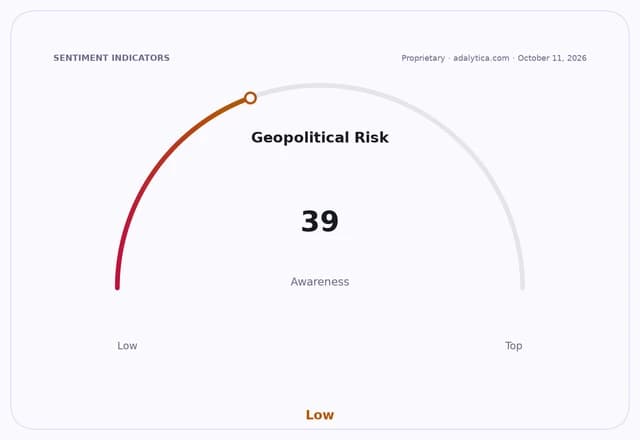
Sentiment IndicatorsⓘProprietary · adalytica.com · October 11, 2026
This is a snapshot — live sentiment, awareness and momentum for 130+ markets update continuously in the dashboard.Open AlphaPulse
EU trade chief Maros Sefcovic said the negotiations in Beijing needed to produce “tangible outcomes” as he pushed for a rebalancing of trade with the 27-member bloc. He set an October deadline for meaningful progress after three months of talks, underscoring how far apart the two sides remain.
China is pressing the EU to ease restrictions on imports of advanced chipmaking machines, which Europe has limited on national security grounds at Washington’s request. That puts semiconductor tools in the crossfire of a dispute that increasingly overlaps with U.S.-China technology controls, not just bilateral trade.
Europe has already responded with a series of defensive steps, including limits on Chinese electric vehicles and EV batteries, new protections for the steel industry and tighter rules on duty-free e-commerce parcels that effectively target Chinese fast-fashion firms. Beijing has answered with its own anti-dumping probe into an EU chemical used in dyes and pharmaceuticals.
The backdrop is a sharp rise in Chinese exports that has fueled what some policymakers call a “China shock 2.0.” China’s global trade surplus hit $1.2 trillion in 2025 and is forecast to stay above $1 trillion this year, while the EU’s deficit with China widened to 103.34 billion euros in the April-to-July period.
Market-wise, the issue keeps pressure on European industrial exporters while supporting the case for more protectionist measures in Brussels. Chinese manufacturers, meanwhile, face a tougher route into Europe if talks fail to slow the flood of goods that has already prompted tariffs, probes and restrictions.
With the October target approaching, the main risk for investors is that the talks deliver only partial relief and leave Europe and China locked into a cycle of retaliatory trade actions that could hit margins, supply chains and capital spending plans.
| Entity | Gains | Losses |
|---|---|---|
| EU manufacturers | ▲More protection from imports | ▼Higher input costs, weaker China access |
| Chinese exporters | ▲Continued market access if talks succeed | ▼Tariffs, probes, tighter EU screening |
| Semiconductor equipment makers | ▲Clearer rules if controls ease | ▼Export restrictions, slower China sales |
| EV and battery makers | ▲Less price pressure if trade cools | ▼Demand hit from new EU curbs |