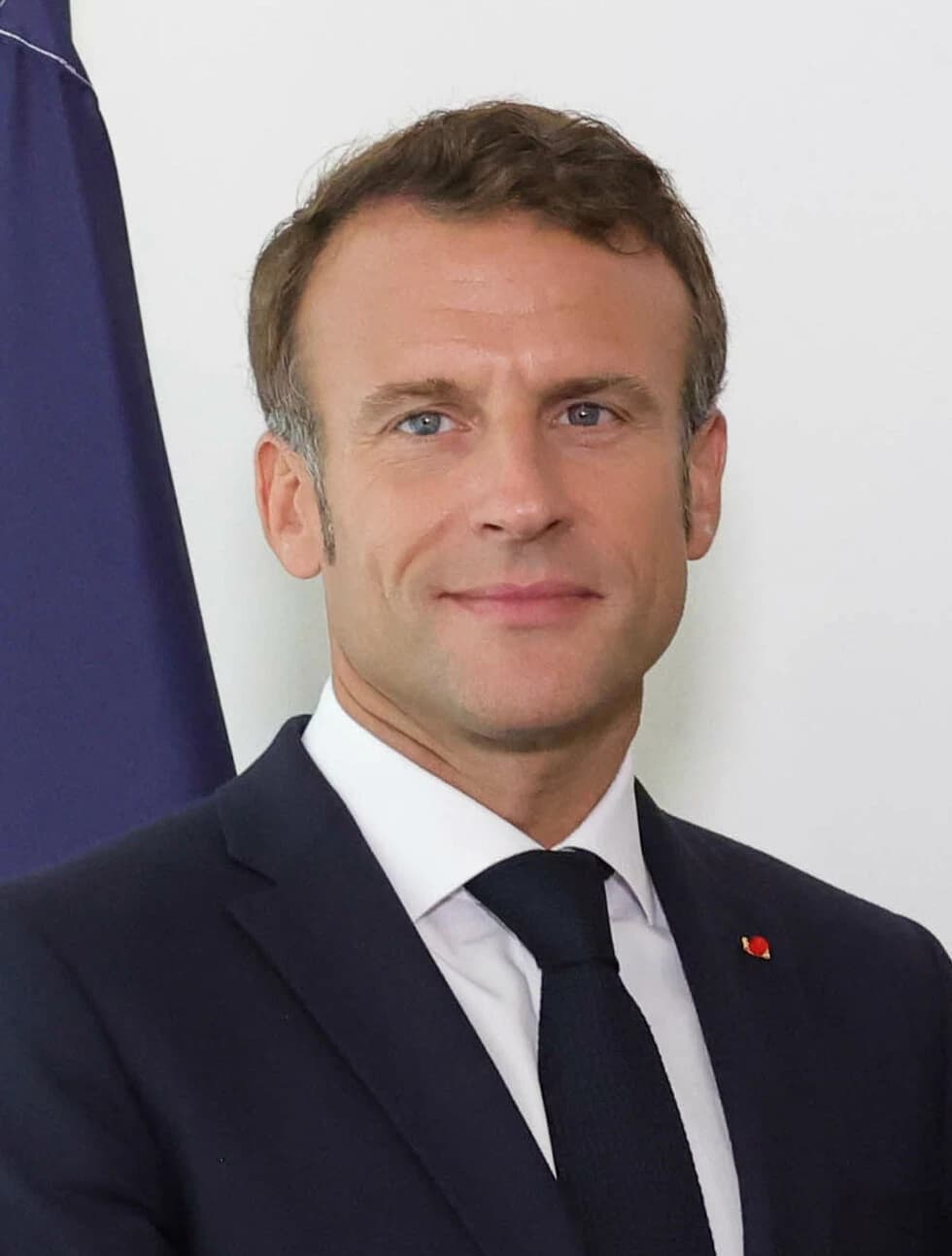
China and the European Union are trying to turn a trade relationship defined by friction into one shaped by shared industrial opportunity, with talks in Beijing opening the door to cooperation in artificial intelligence and new energy.
China EU Talks on AI and New Energy
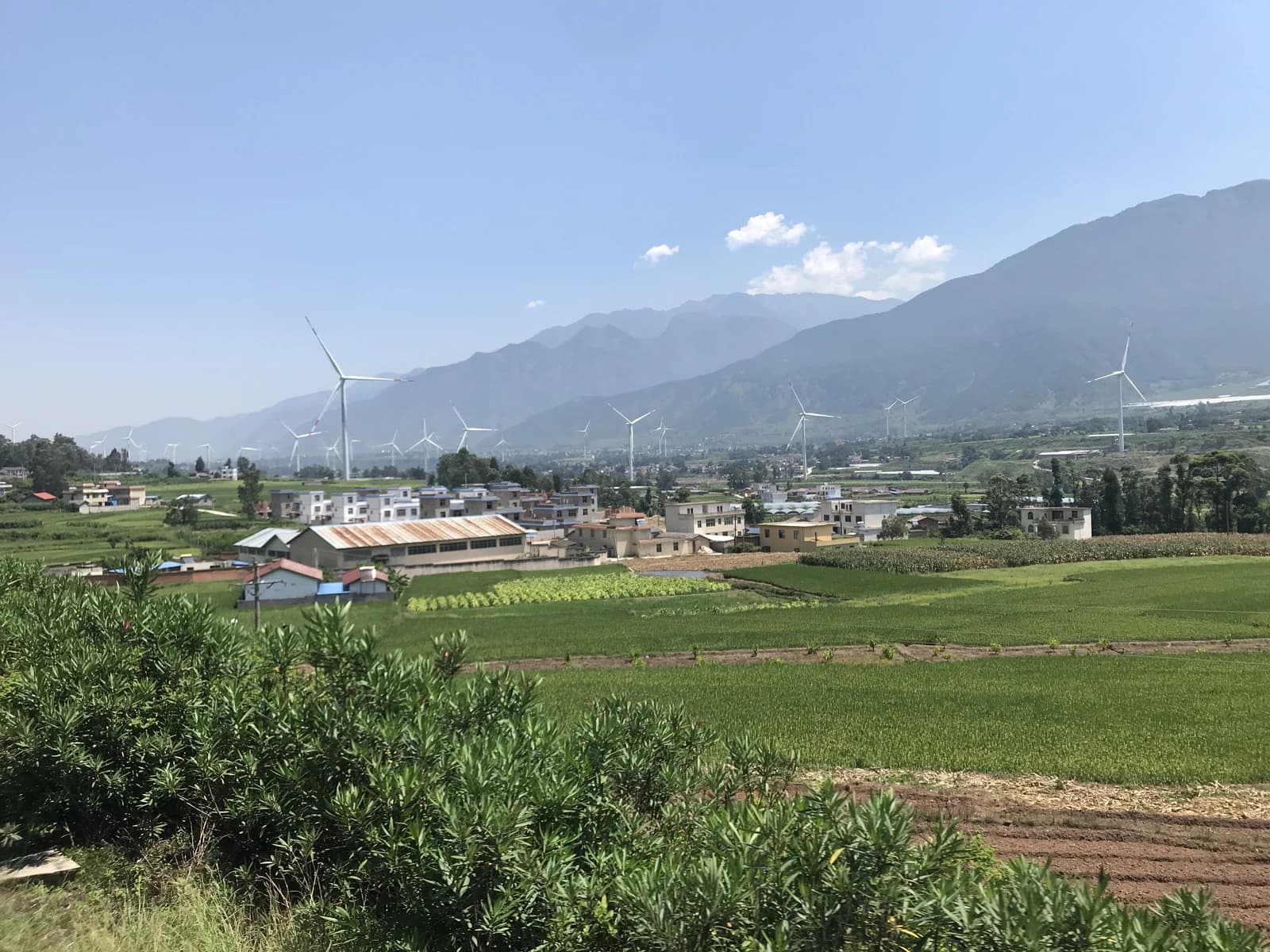
That matters because the next phase of global competition is not just about tariffs or access to consumer markets. It is about who controls the computing stack, the power systems that feed it and the industrial supply chains that can scale them. If Beijing and Brussels can keep even a narrow channel open on AI, batteries, grid equipment and broader green technology, the economic payoff could be substantial for exporters, utilities and infrastructure suppliers on both sides.
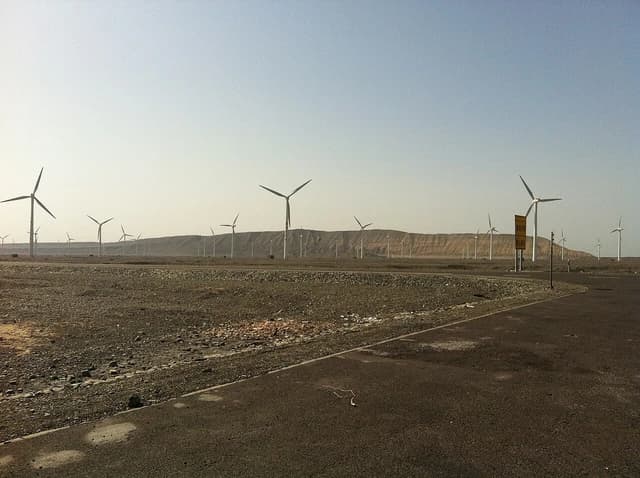
China’s commerce ministry said the two sides described the talks as “equal, professional and constructive” and agreed to explore cooperation in new energy, AI and green low-carbon fields. They also reaffirmed that they are key trading partners and said economic and trade disputes should be handled within the World Trade Organization framework. In diplomatic language, that is a reset message: not a breakthrough, but an acknowledgment that neither side can afford a widening rupture in strategically important industries.
For investors, the most important implication is that Europe’s push for industrial resilience may increasingly run through selective engagement with China rather than outright decoupling. That creates a more constructive backdrop for companies tied to electrification, renewable power, storage, grid modernization and AI infrastructure, even as competition remains intense in autos, batteries and advanced manufacturing.
The timing is also notable. Artificial intelligence is becoming more energy-intensive just as governments and corporates are scrambling to expand power capacity. That makes new energy cooperation economically relevant, not ceremonial. Every additional AI deployment increases the need for chips, data centers, transmission and cleaner electricity, and those capital flows are starting to favor the picks-and-shovels of the next industrial cycle.
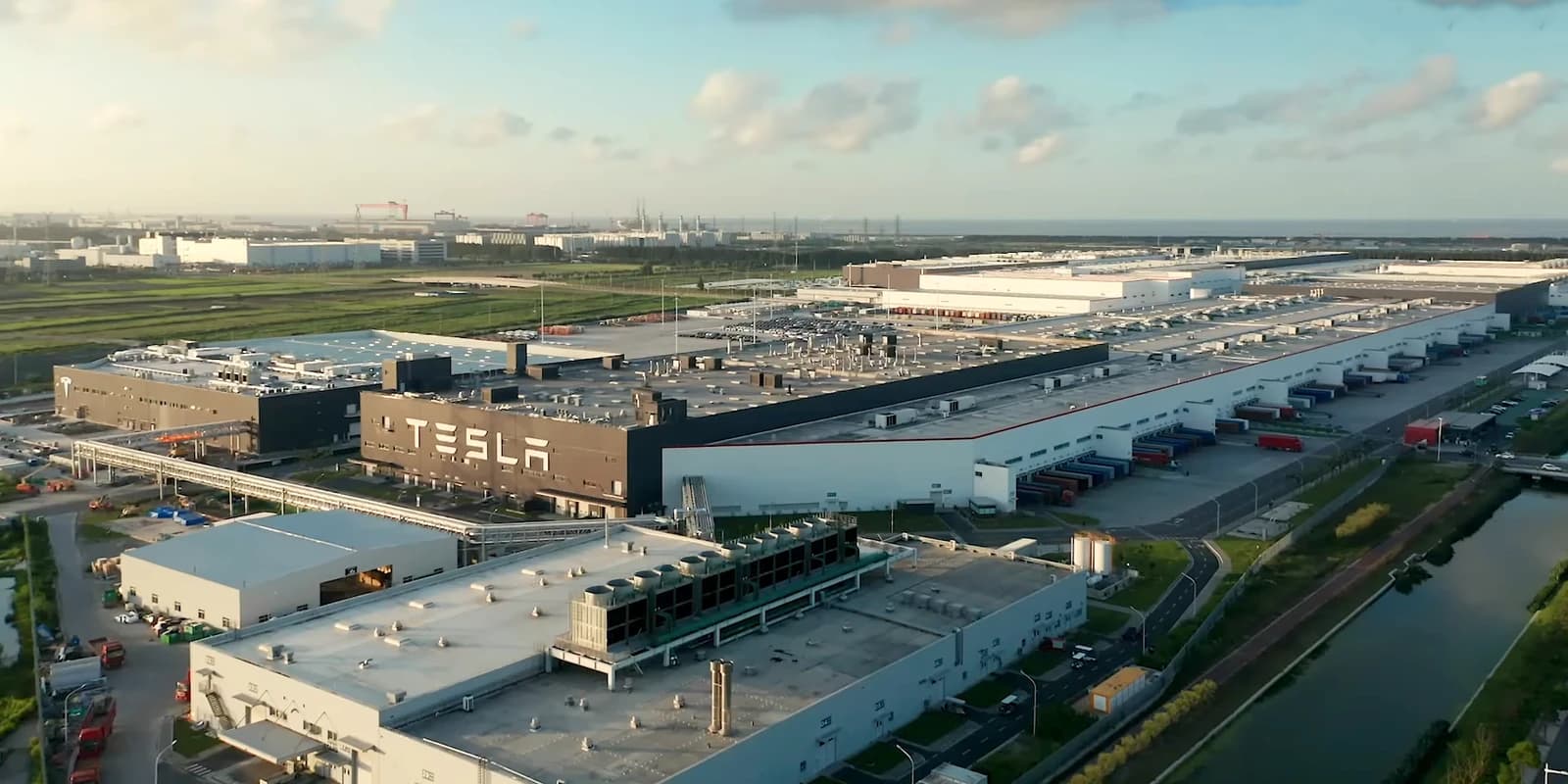
Tesla and Nio were already trading in volatile technical patterns, reflecting how closely Chinese and global EV names remain tied to policy and trade headlines. Tesla closed at $382.70 on Oct. 9, above its 50-day moving average but still below its 200-day average, while Nio ended at $3.58, also below its 200-day average, underscoring how much of the sector still needs a genuine macro tailwind rather than just a sentiment bounce. A more stable China-EU framework would not solve competitive pressure overnight, but it could ease some of the geopolitical discount embedded in the space.
The bigger opportunity sits with the infrastructure layer. AI buildout and the energy transition are converging, and that is where the market still underestimates the duration of capex. Power equipment, grid hardware, battery supply chains, data-center utilities and specialized industrial firms stand to benefit if policymakers decide cooperation is preferable to confrontation.
For investors, the takeaway is straightforward: watch this Beijing-EU channel closely. If talks continue to produce even limited cooperation on AI and new energy, the beneficiaries are likely to be the companies selling the infrastructure that makes both trends possible, while the losers remain the firms most exposed to trade barriers, subsidy fights and fragmented supply chains.
| Entity | Gains | Losses |
|---|---|---|
| China exporters | ▲Better EU access | ▼Tariff pressure eases less |
| EU industrial firms | ▲Supply-chain cooperation | ▼Less bargaining leverage |
| AI infrastructure suppliers | ▲More capex demand | ▼Policy uncertainty falls slower |
| EV makers | ▲Fewer trade frictions | ▼Competitive protection weakens |