China’s industrial surge is no longer just squeezing European manufacturers; it is forcing a painful shakeout inside China itself, and that matters because overcapacity is now shaping trade, profits and policy across solar panels, electric vehicles and the broader clean-tech supply chain.
China Overcapacity Hits Clean Tech and Auto Makers
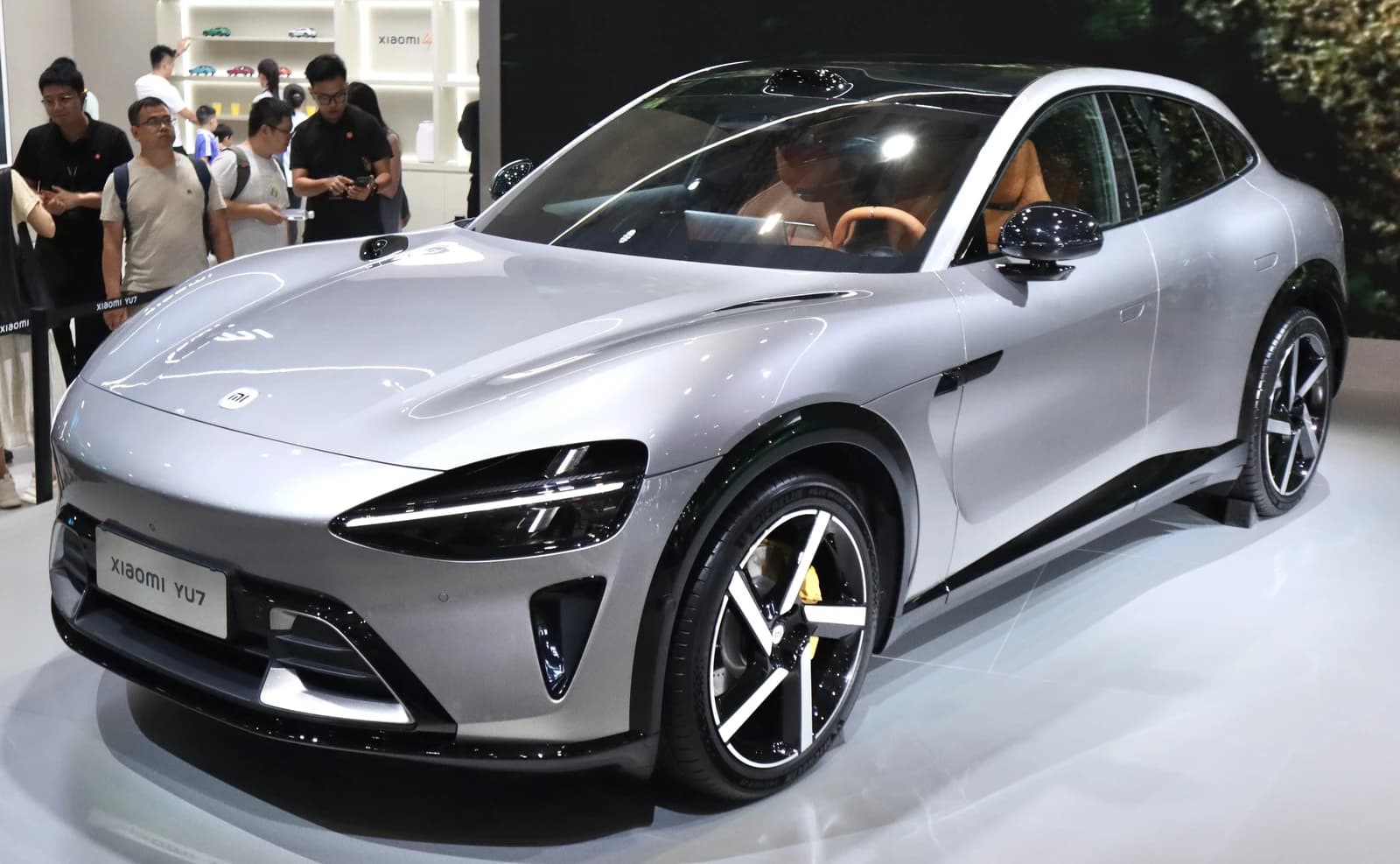
What looks like a sign of Chinese strength is also a sign of stress. Beijing wants its factories to dominate the next generation of industry, but the result has been fierce price competition, duplicated investment and mounting concern that too many provinces are chasing the same projects. In autos, the shift is already brutal: sales of gasoline-powered cars in China fell 45% in August from a year earlier, a collapse that is shutting plants, leaving workers unpaid and pushing weaker companies into mergers or failure.
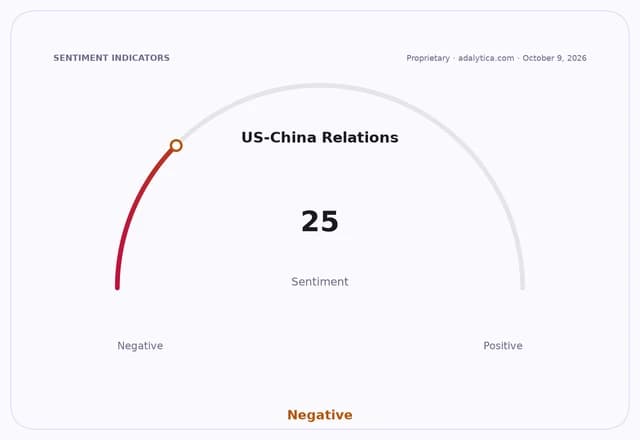
Sentiment IndicatorsⓘProprietary · adalytica.com · October 9, 2026
This is a snapshot — live sentiment, awareness and momentum for 130+ markets update continuously in the dashboard.Open AlphaPulse
That matters economically because China is not just the world’s factory; it is the marginal price-setter in several strategic industries. When Chinese producers flood global markets with solar panels, batteries and electric cars, they lower costs for buyers but also crush margins for competitors in Europe and the U.S. The same dynamic is now showing up at home, where Beijing is trying to rein in what it calls “involution” — a self-defeating race to the bottom fueled by local subsidies, cheap land and tax breaks.
Investors should read that as both opportunity and warning. Opportunity, because the scale of China’s manufacturing system still gives it enormous leverage over clean-tech costs and adoption worldwide. Warning, because not every company in the sector will survive a prolonged price war. The market is already separating the strong from the weak: vertically integrated leaders with scale, cost discipline and real export reach are better positioned than smaller rivals built on subsidy dependence.
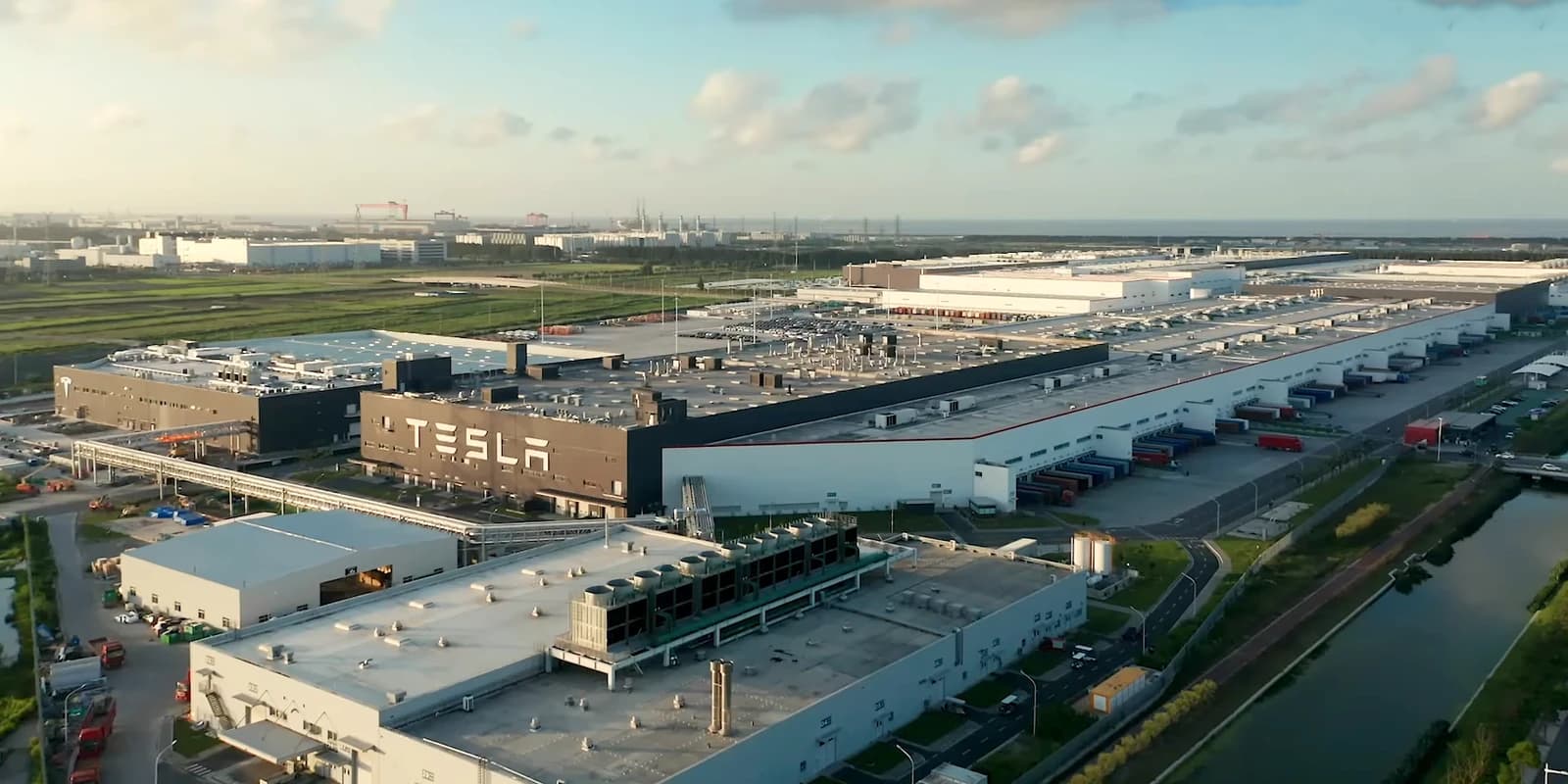
The clean-energy chain is especially exposed. First Solar, Enphase and even Tesla all sit in industries where China’s industrial policy, and the backlash against it, can shape pricing, demand and supply access. First Solar has leaned into domestic manufacturing and localization, while Enphase has warned that key lithium iron phosphate battery expertise remains concentrated in China. Tesla, meanwhile, still operates in a world where Chinese EV competition is relentless and the balance of power can shift quickly when Beijing chooses to support or restrain output.
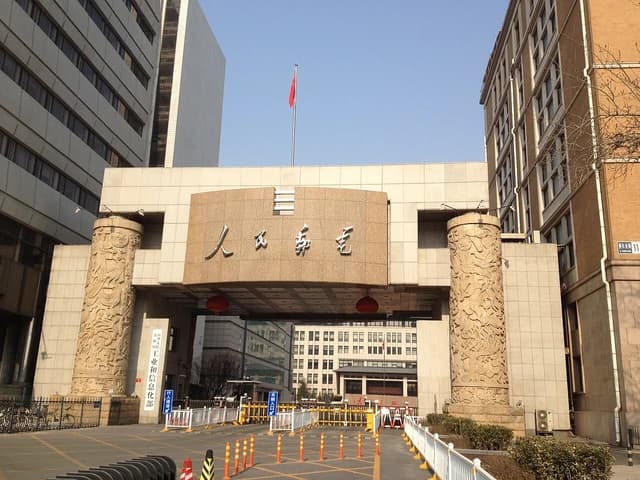
The broader narrative is simple: China’s technological advance is real, but so is the overproduction problem created by the way that advance is funded and organized. Beijing is now trying to centralize more control, slow the flood of redundant investment and push out “zombie” companies that survive only because local governments keep them alive. That could eventually reduce some of the worst distortions, but it will not end the pressure on foreign competitors anytime soon.
For long-term investors, the lesson is to focus on companies with durable moats, strong balance sheets and the ability to compete without leaning on subsidies. In solar, EVs and adjacent technologies, the winners are likely to be the firms that can scale efficiently, protect margins and build manufacturing footprints in safer jurisdictions. The losers are those that confuse cheap capital with lasting competitiveness. This is a story worth watching, and for patient investors, it argues for selectivity, diversification and a very long time horizon.
| Entity | Gains | Losses |
|---|---|---|
| Chinese export champions | ▲Scale and low costs | ▼Margin pressure at home |
| European solar/auto makers | ▲Some policy protection | ▼Price competition |
| U.S. clean-tech leaders | ▲Localization advantage | ▼Exposure to Chinese supply chains |
| Consumers | ▲Lower prices | ▼More unstable industrial supply chains |