Ford Chief Executive Jim Farley is warning investors that the West may be underestimating how fast Chinese automakers are rewriting the global car market — and he says Europe may already be too late to catch up.
Ford warns on Chinese automakers in Europe
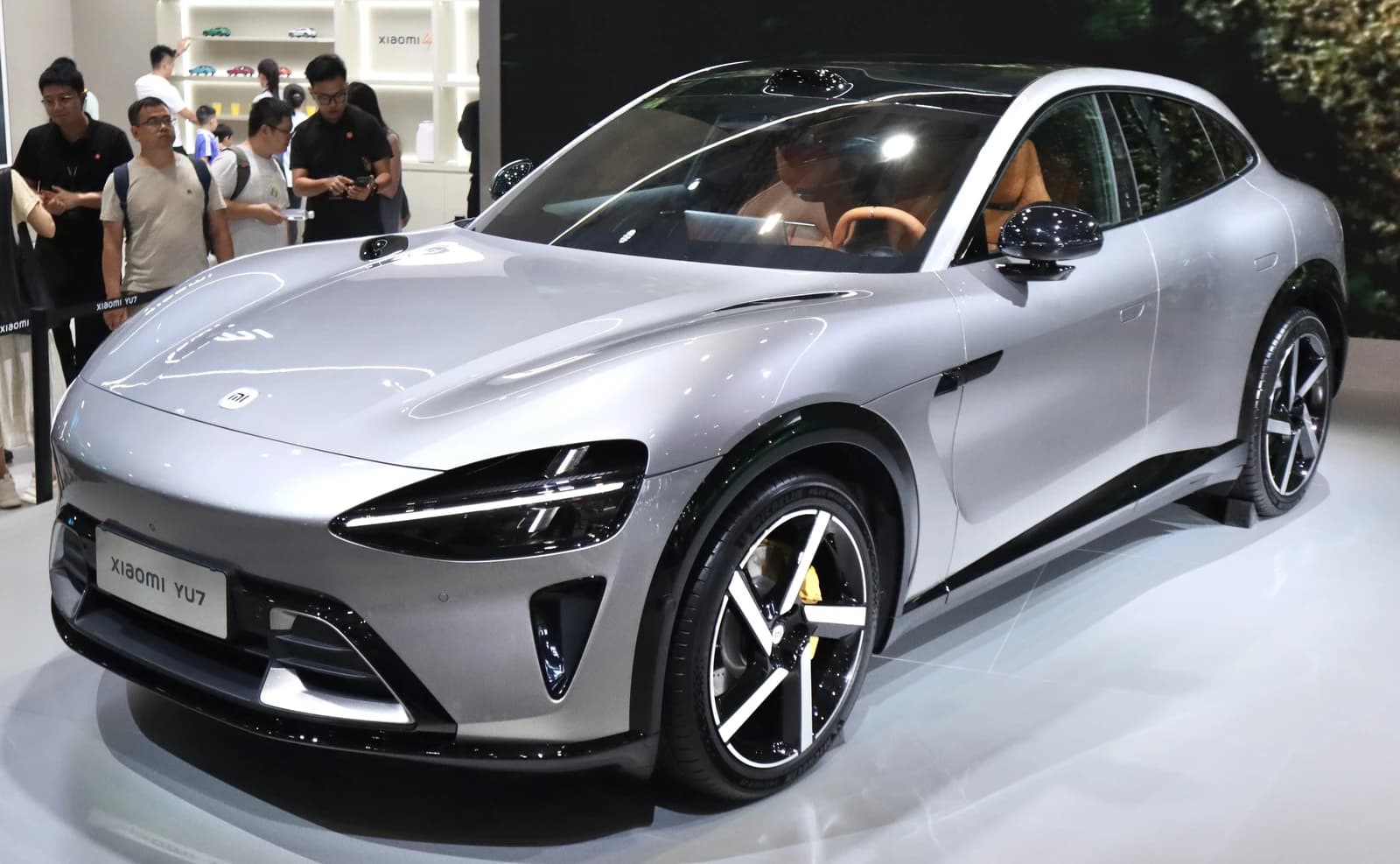
That matters because the auto industry is not just another consumer sector. It is a massive employer, a pillar of manufacturing and a battleground for pricing, supply chains and industrial policy. If Chinese brands can scale quickly in Europe, the same playbook could eventually pressure U.S. incumbents, squeezing margins at Ford, General Motors, Toyota and Honda while forcing governments to decide whether to keep markets open or extend protection.
Sentiment IndicatorsⓘProprietary · adalytica.com · October 8, 2026
This is a snapshot — live sentiment, awareness and momentum for 130+ markets update continuously in the dashboard.Open AlphaPulse
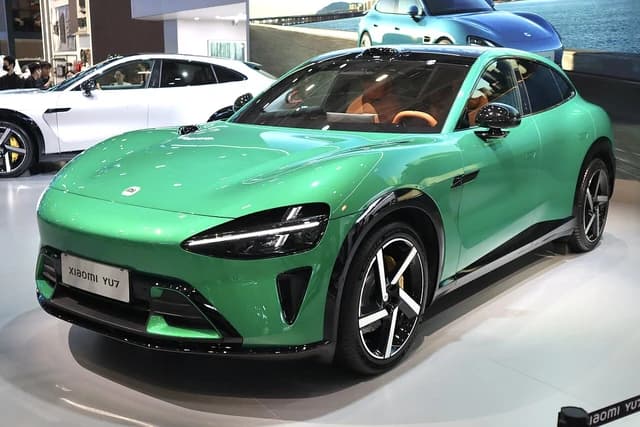
Farley pointed to Europe as the clearest proof. Chinese automakers took an 11.7% share of the European market in August, with sales jumping 111% to 97,639 vehicles. In his view, that is no longer a warning sign — it is evidence that the competitive gap has already opened too far for European brands to close on their own.
The bigger story is that China’s auto industry has become an export machine. Automotive News cited expectations for roughly 12 million Chinese vehicle exports this year, up from about 3 million in 2022. And this is not only an EV story: roughly half of those exports are not pure battery electrics, which means Chinese manufacturers are competing across gasoline, hybrid and electric segments at once.
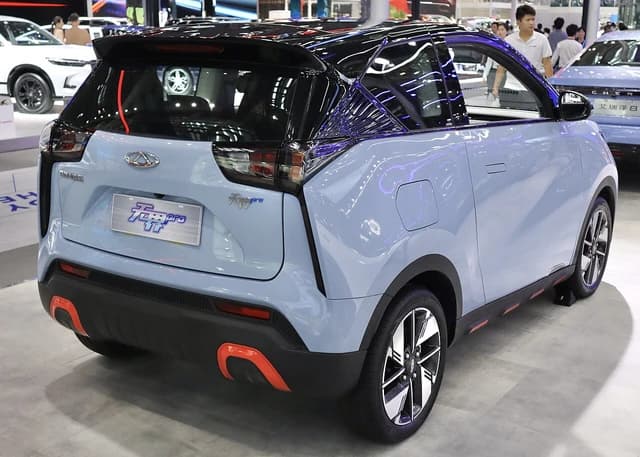
For investors, that raises a simple question: who can defend pricing power? Chinese manufacturers are using scale, battery know-how and lower-cost production to push into new markets while legacy automakers carry heavier cost structures and slower product cycles. That is especially important for Ford, whose shares have been volatile and have recently traded below both their 50-day and 200-day moving averages, reflecting investor unease about earnings quality, electric-vehicle profitability and the company’s ability to compete on cost.
Farley’s comments also underline a strategic contradiction. Ford wants to work with Chinese companies where it is capital-efficient, including a battery partnership with CATL in Michigan and a vehicle collaboration with Geely for Europe. But the company is also being watched closely by U.S. regulators as Washington grows more wary of Chinese automotive technology, software and supply chains. In other words, Ford sees Chinese expertise as both a threat and a tool.
That tension is becoming central to the global auto trade. The U.S. has so far kept Chinese vehicles largely out with tariffs above 100% and software restrictions, but industry leaders fear those barriers may not hold forever. If they weaken, the competitive pressure that is already visible in Europe could move into the world’s most profitable auto market.
For long-term investors, the takeaway is not to chase the headlines but to respect the shift underneath them. The winners are likely to be companies with strong battery sourcing, software capability, low-cost manufacturing and clear brand loyalty. The losers are the firms that rely on legacy scale alone. This is a structural industry reset, and it is worth watching over the next several years, not just the next quarter.
| Entity | Gains | Losses |
|---|---|---|
| Chinese automakers | ▲Faster global share gains | ▼Higher trade barriers |
| Ford and peers | ▲Access to Chinese know-how | ▼Pressure on margins |
| European carmakers | ▲Protectionist policy support | ▼Market share erosion |
| U.S. consumers | ▲More EV choice, lower prices | ▼Less visibility on domestic winners |