China’s dominance over the electric-vehicle supply chain is becoming the market’s defining industrial-risk story, and Washington and Brussels are moving to blunt it just as bond yields and policy pressure make the next phase of EV investment more expensive.
China EV supply chain and Western automakers

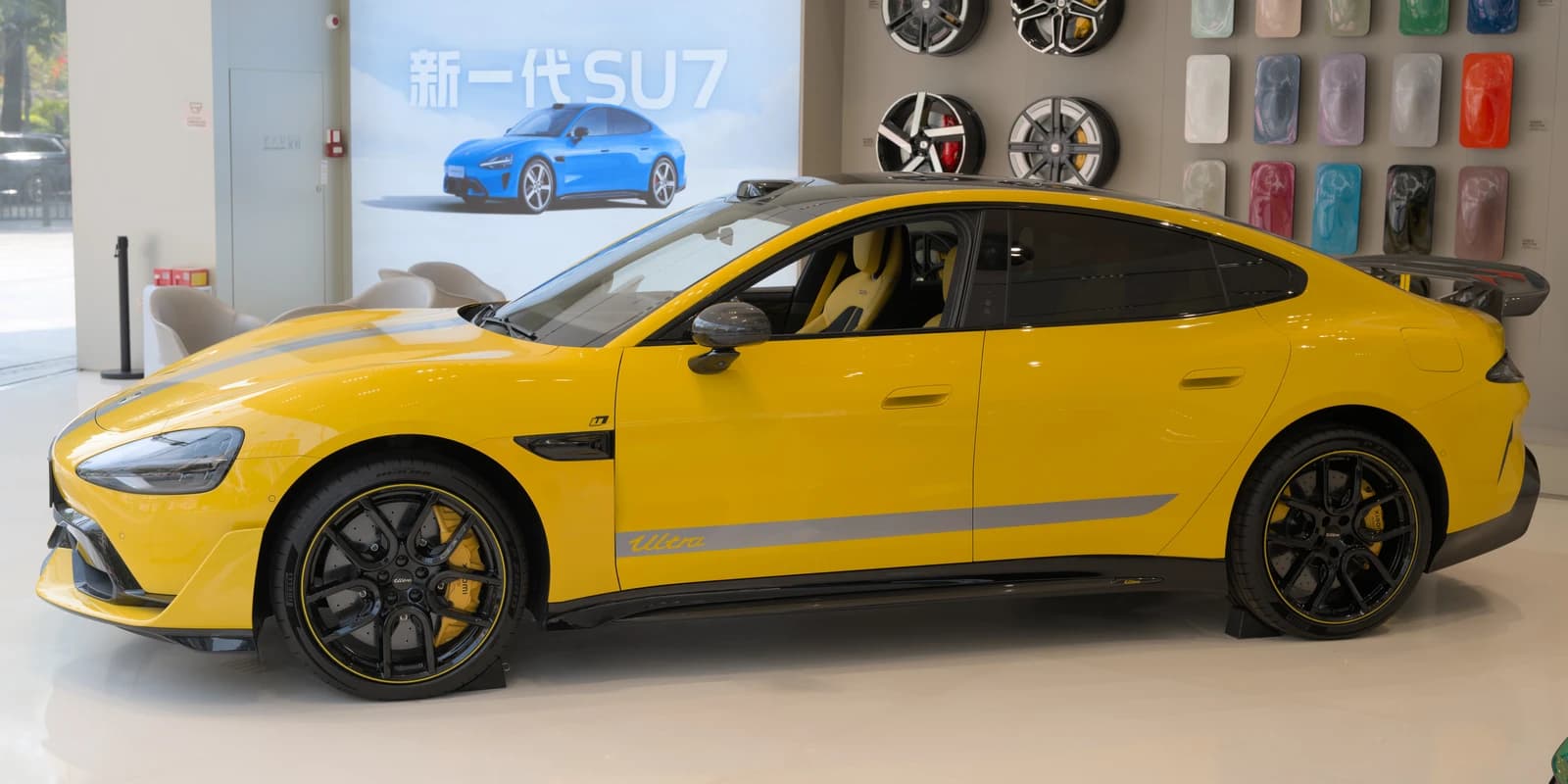
That matters because the EV trade is no longer just about car sales. It is about control of batteries, refining, processing, charging standards and the upstream materials that decide who captures the profits of the transition to electrified transport. China is tightening that grip with new battery rules requiring 15,000 cycles with fewer defects and a 2030 roadmap for solid-state batteries, moves that extend its lead in both manufacturing scale and next-generation technology.
Sentiment IndicatorsⓘProprietary · adalytica.com · October 1, 2026
This is a snapshot — live sentiment, awareness and momentum for 130+ markets update continuously in the dashboard.Open AlphaPulse
For investors, the implication is clear: the value chain is splitting. Chinese champions keep the edge in low-cost, high-volume production and battery know-how, while Western automakers face a tougher path to competing on price and performance. The market underestimates how much this shifts the opportunity set away from finished vehicles and toward the picks-and-shovels names that supply lithium, battery materials, equipment and charging infrastructure.
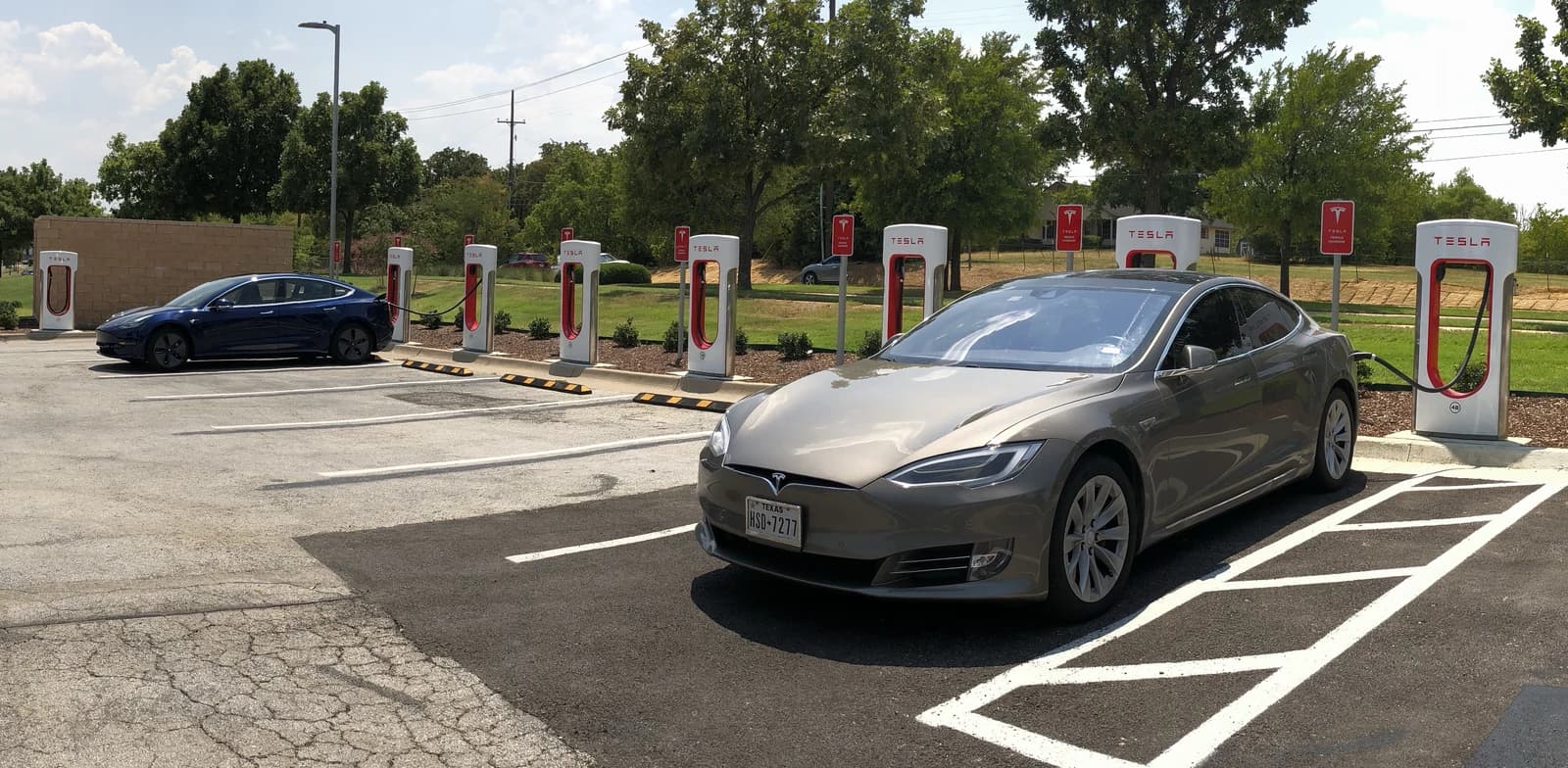
The pressure is showing up in the tape. Tesla has traded with elevated volatility and remains well below its 200-day moving average in the latest data, while Ford shares have slid sharply and General Motors has also rolled over from recent highs. That weakness reflects more than cyclical auto demand. It reflects a structural challenge: Western carmakers are trying to compete in a capital-intensive race against a Chinese ecosystem that is supported by scale, policy and supply-chain control.
At the same time, the broader macro backdrop is getting less forgiving. A fresh wave of selling in government bonds has pushed U.S. Treasury yields to their highest levels in years, raising the cost of capital across every long-duration industrial bet. That makes the EV arms race even more punishing for legacy automakers and more attractive for companies that sit closer to the infrastructure layer, where revenue can compound without the same level of balance-sheet strain.
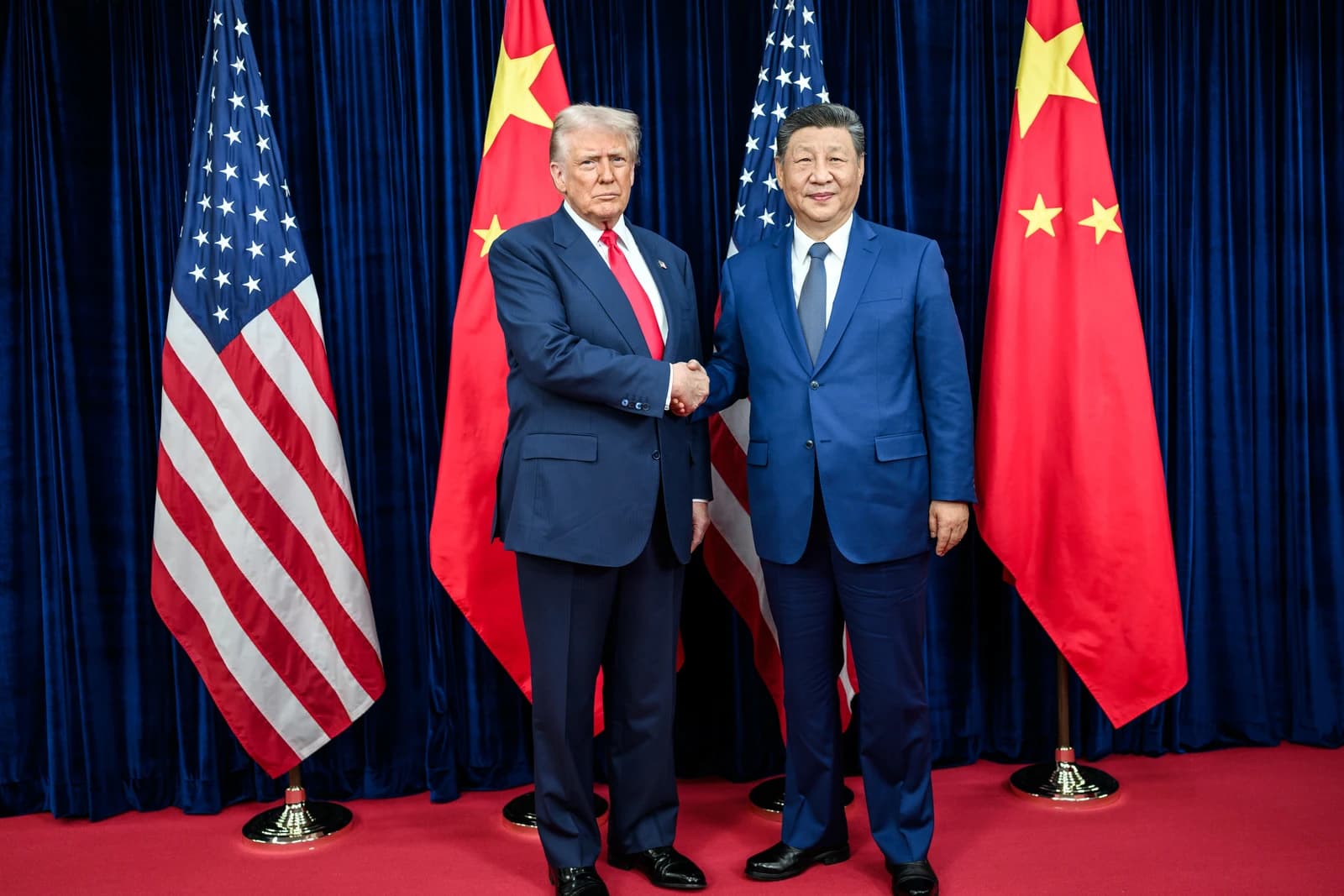
Adalytica’s US Dollar Trade Signals snapshot shows “Extreme Fear” in the dollar, while the S&P 500 gauge sits at Neutral. That mix says investors are not yet pricing the full geopolitical fragmentation of the EV market. China’s policy edge and industrial coordination are becoming a strategic moat, not just a manufacturing advantage, and the West’s response increasingly looks defensive: tariffs, screening, supplier scrutiny and industrial subsidies.
The investable takeaway is to favor the enablers, not the most exposed assemblers. Battery materials, lithium producers, charging networks and select equipment suppliers stand to benefit from continued EV growth even as margins compress for automakers. The clearest thesis is that China keeps leading the technology race, but the best asymmetrical returns may come from the toll roads around that race — the miners, processors and infrastructure providers that every EV still needs.
| Entity | Gains | Losses |
|---|---|---|
| Chinese battery makers | ▲Scale and technology lead | ▼Western policy scrutiny |
| U.S. and European automakers | ▲Protection from imports | ▼Margin pressure and capex burden |
| Lithium and battery suppliers | ▲Higher structural demand | ▼Price volatility if EV demand slows |
| Charging and infrastructure firms | ▲More EV adoption | ▼None from weaker OEM margins |