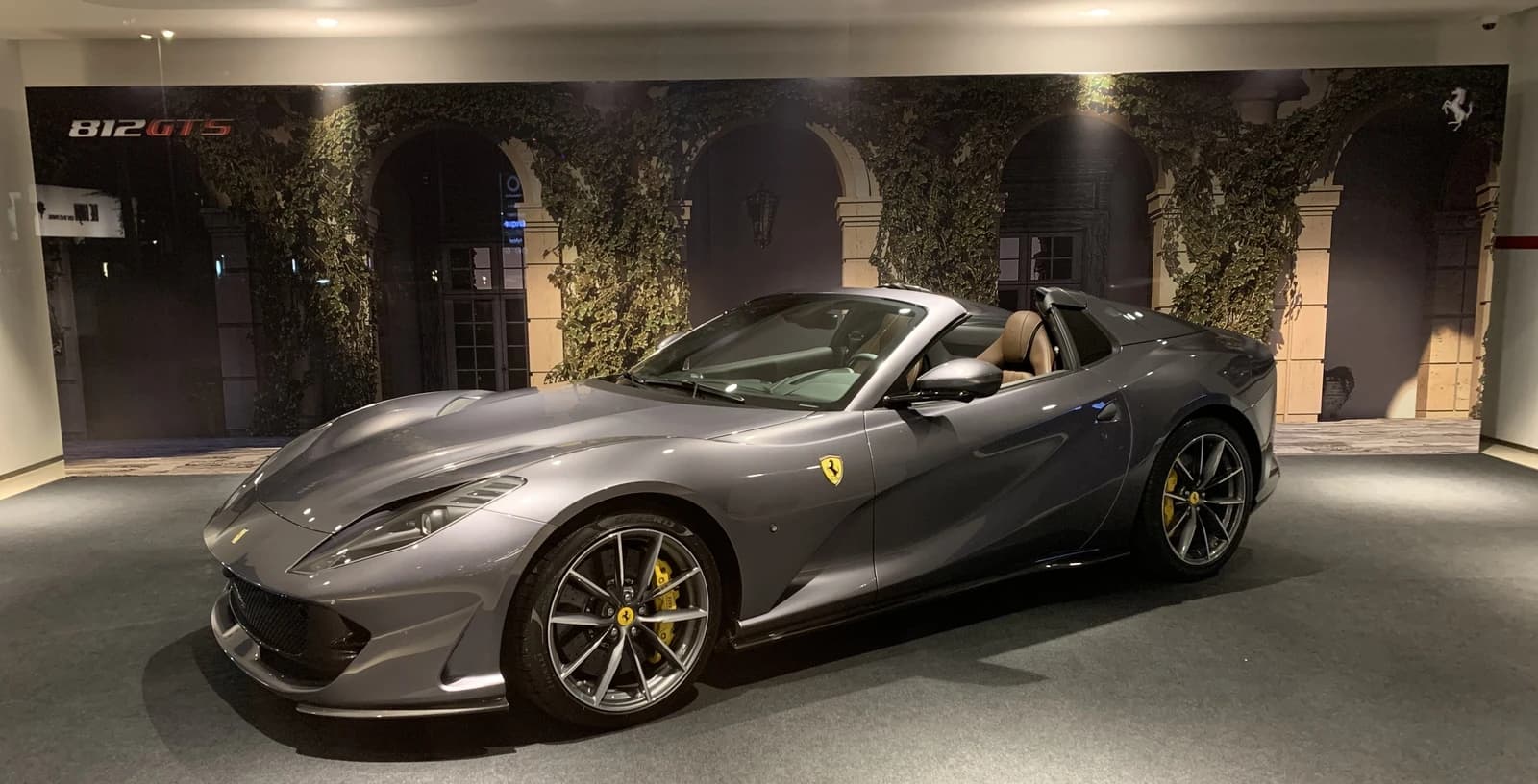
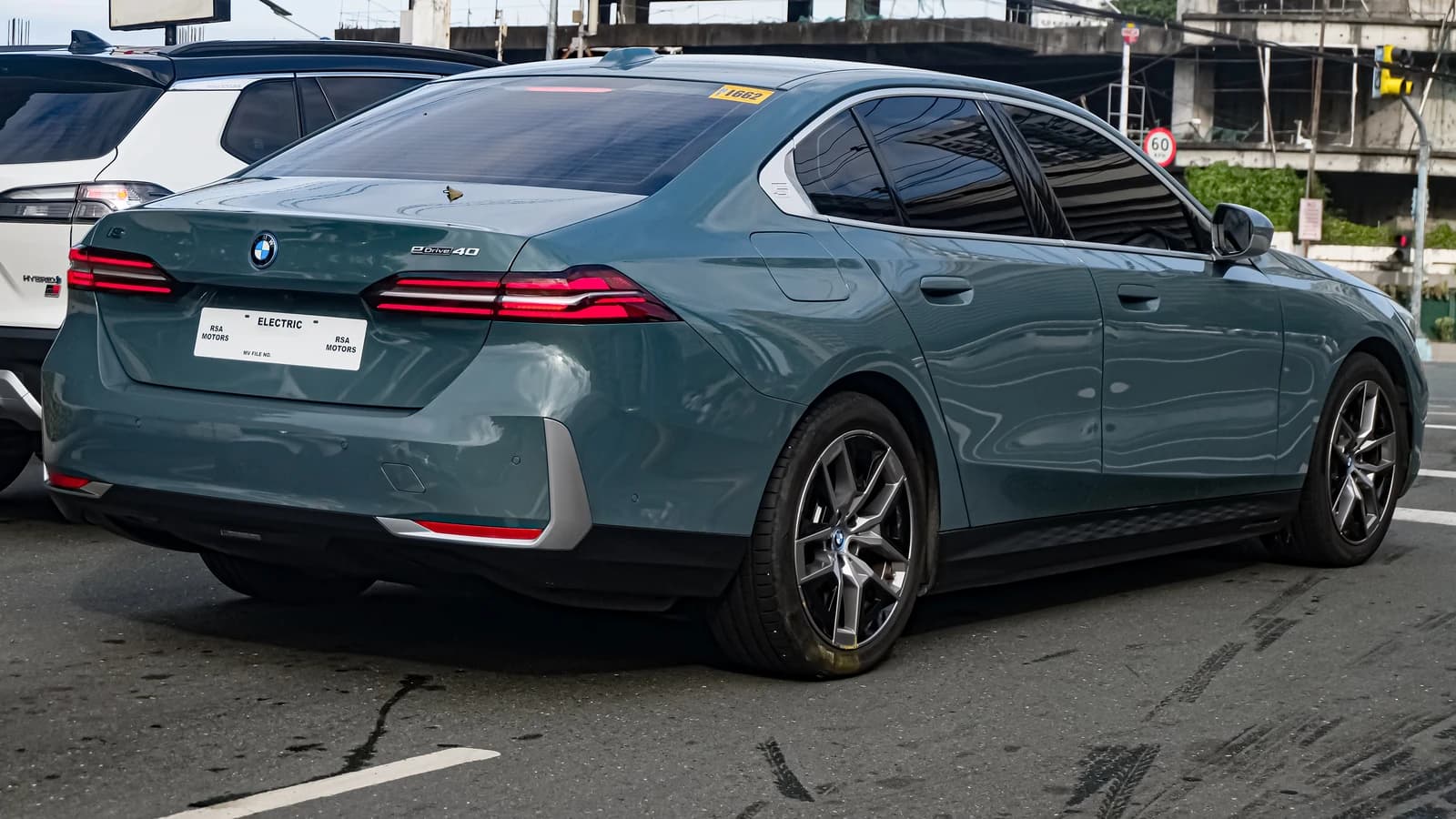
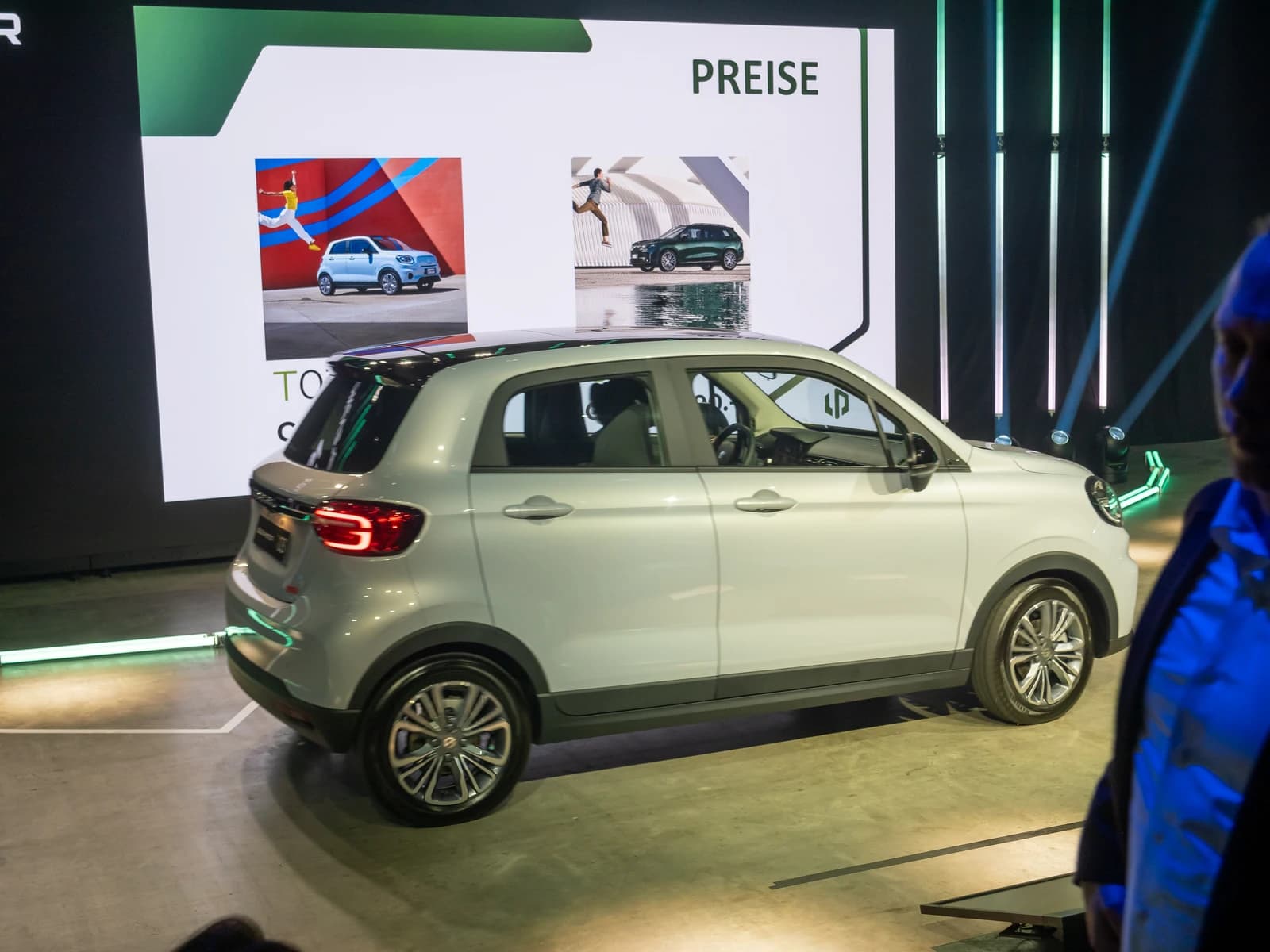
Huawei and Chery are using a lower entry price to make the Luxeed RX a much tougher sell for rivals in China’s fast-moving premium EV market, where range, software and brand cachet are becoming as important as horsepower.
Huawei Chery Luxeed RX gets lower starting price
The new Luxeed RX, nicknamed by the auto press the “Chinese Ferrari,” is set to arrive with up to 594 horsepower, a declared driving range of as much as 852 kilometers and a starting pre-order price of 269,800 yuan, or about 35,100 euros. That is roughly 10% below the model’s initial launch price and reflects the addition of a smaller 81 kWh battery pack alongside the original 100 kWh version. For buyers, the message is simple: a luxury-sized, tech-heavy electric SUV can now be had at a lower entry point without giving up the headline performance figures.
Sentiment IndicatorsⓘProprietary · adalytica.com · October 1, 2026
This is a snapshot — live sentiment, awareness and momentum for 130+ markets update continuously in the dashboard.Open AlphaPulse
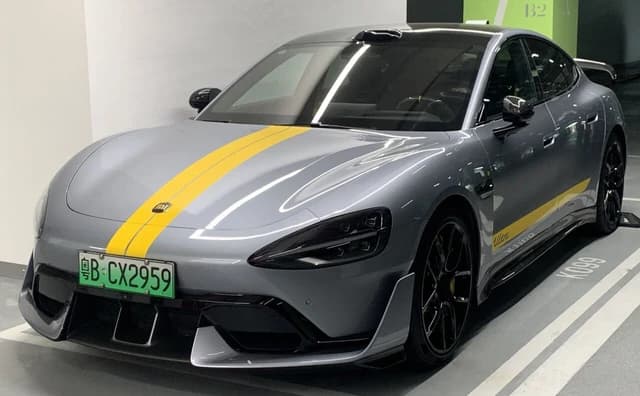
That matters because China’s electric-vehicle market is no longer just about who can build the most range or the quickest acceleration. It is about who can combine those features with software, driver-assistance hardware and pricing discipline. Luxeed is leaning hard on that formula. The RX can be fitted with four LiDAR units and 38 sensors, while pricier trims are being prepared for Level 3 autonomous driving architecture. Inside, the car gets a 16.1-inch central screen, a 26-inch head-up display and other upscale touches meant to position it well above mainstream EVs.
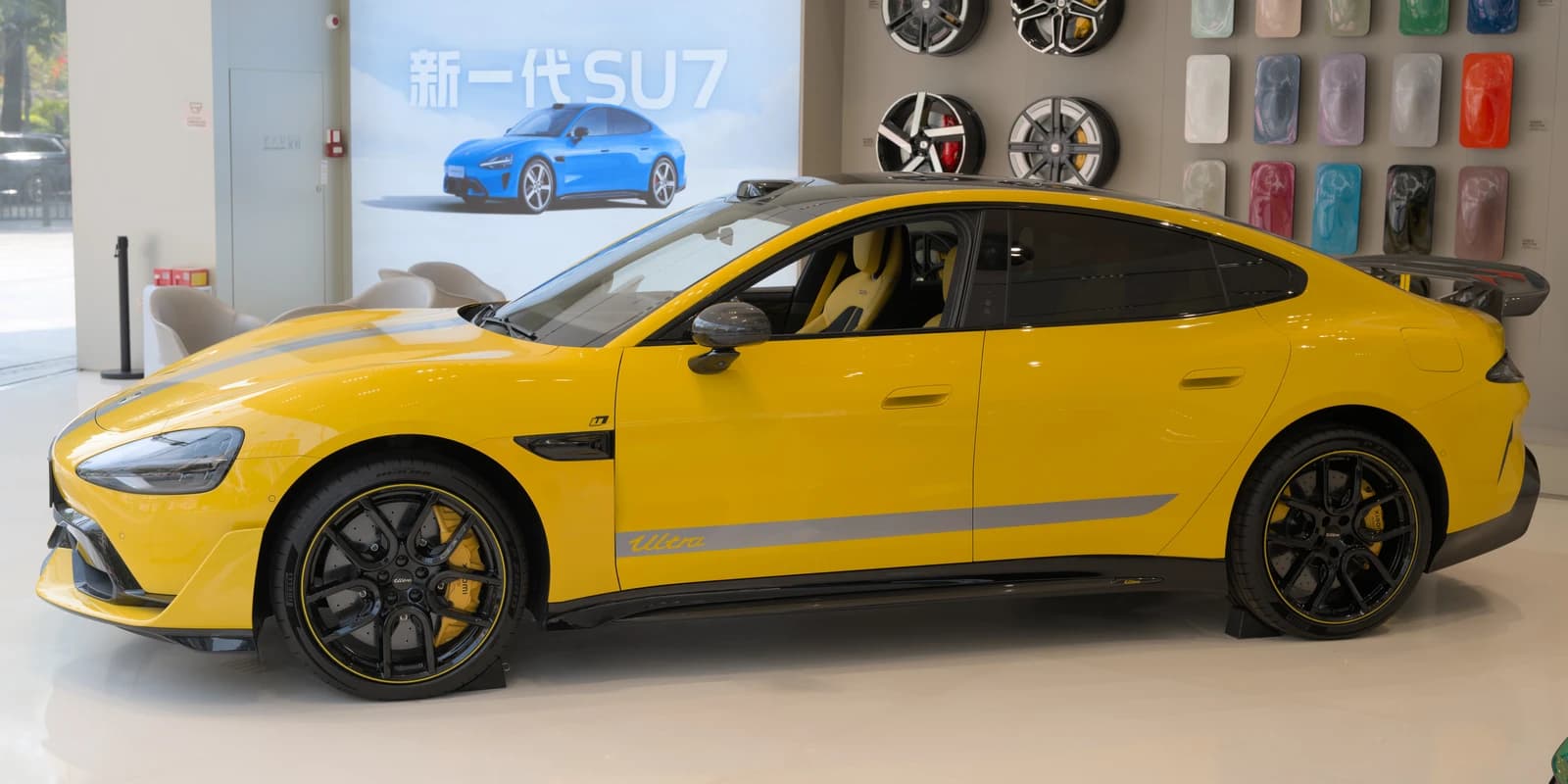
The competitive backdrop is already intense. Xiaomi’s YU7 starts at 233,500 yuan, making it cheaper than the current Luxeed RX, though Huawei and Chery are expected to finalize pricing when the model is officially unveiled on Sept. 28. That price gap will matter because Chinese buyers in the upper end of the EV market are becoming increasingly value-conscious, even as they demand premium design and advanced technology. A lower entry price can widen the addressable market and help push up order volume, but it also compresses margins if the cost structure is not carefully managed.
There is also a strategic angle for Huawei. The company does not sell cars in the traditional sense, but it has become one of the most influential technology players in China’s auto sector through software, chips, sensors and vehicle platforms. Luxeed RX, built on Huawei’s Tuling platform and developed with Chery, is another attempt to turn that influence into a scalable automotive ecosystem. The design pedigree, including input from former Ferrari designer Werner Gruber and former Mercedes-AMG and Aston Martin boss Tobias Moers, helps with image. But in the long run, it is the combination of price, range and intelligent features that will determine whether the model can sustain demand.
For investors, the lesson is broader than one SUV launch. China is setting the pace in the global EV arms race, and the winning formula increasingly looks like this: strong performance, long range, advanced software and aggressive pricing. That raises the bar for established automakers and gives Chinese tech-linked carmakers another way to steal share at home and abroad. If Luxeed RX gains traction, it could reinforce the idea that premium EV buyers will pay for a compelling package, but not indefinitely for premium branding alone. In that sense, the launch is worth watching not just for car shoppers, but for anyone tracking where the next wave of EV competition is headed.
| Entity | Gains | Losses |
|---|---|---|
| Huawei and Chery | ▲Higher order potential | ▼Margin pressure |
| Luxeed RX buyers | ▲Lower entry price | ▼Fewer battery options at base trim |
| Xiaomi YU7 | ▲Validation of segment demand | ▼Pricing pressure |
| Traditional premium automakers | ▲— | ▼Share risk in China |