Chinese electric-vehicle makers are being squeezed by a brutal combination of faster product cycles and falling prices, leaving premium models stale within months and forcing companies such as XPeng, Li Auto and Nio to sacrifice margins just to stay relevant.
China EV makers face price cuts and stale premium models
The problem matters because China’s EV boom is no longer being driven only by innovation, but by innovation at a pace that is undermining the value of each new launch. With upgrade cycles now running just 12 to 24 months — and in some cases even quarterly hardware changes — buyers are increasingly waiting for the next model, while brands struggle to defend higher-price segments.
Sentiment IndicatorsⓘProprietary · adalytica.com · October 12, 2026
This is a snapshot — live sentiment, awareness and momentum for 130+ markets update continuously in the dashboard.Open AlphaPulse
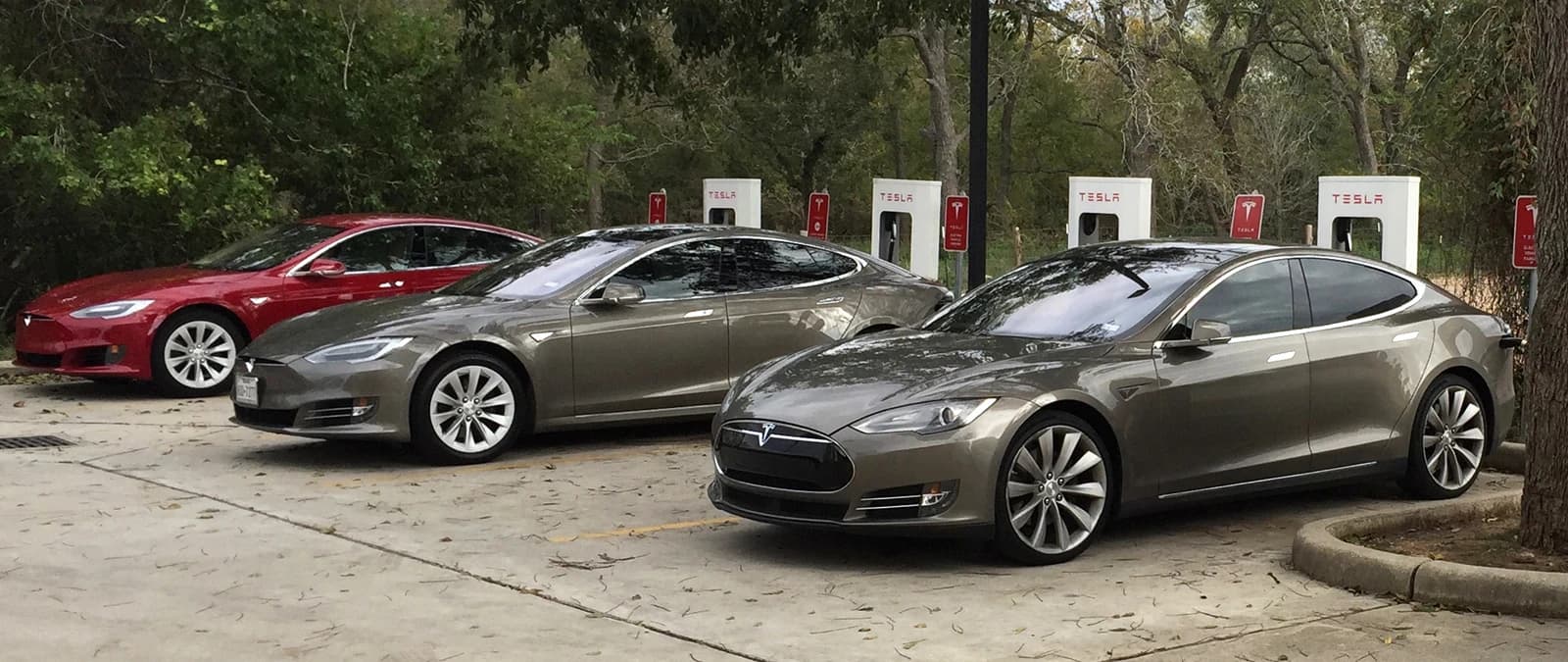
XPeng shows how quickly the market is turning. In Europe, the company markets itself as a premium EV brand, with vehicles priced from 37,000 to 86,000 euros, but in China its Mona 03, priced below 15,000 euros, accounts for about 40% of sales. Its older P7 sedan, launched in 2020 to challenge Tesla’s Model 3, has seen monthly sales fall to 1,881 in June, 1,533 in July and 1,863 in August, roughly one-tenth of Tesla’s Shanghai-made Model 3.
The pressure extends across the sector. XPeng cut about 2,000 euros from the latest P7 launched in March and made one of its Turing chips optional, effectively lowering standard processing power. Li Auto’s L9 SUV, once selling about 15,000 units a month after its 2022 debut, is now below 4,000 monthly sales despite repeated refreshes, while earlier hit Li One was discontinued in 2023 as cheaper, newer rivals emerged.
For investors, the message is that China’s EV market is becoming less about scale and more about product cannibalization. The result is tougher pricing power, weaker resale confidence and a narrower path to profitability for manufacturers trying to build premium franchises in a market where consumers are increasingly price-sensitive and savings rates remain high.
Consumer frustration is adding another layer of risk. China’s 12365auto complaints platform recorded about 39,000 disputes in 2025 tied to these issues, up 82 times from 2024, while some owners of defunct brands face lost warranties, broken apps and even insurance problems after manufacturers collapse.
That is also why the shakeout is widening beyond sales charts. Lijing Consulting says 23 EV or hybrid makers were in bankruptcy or liquidation as of June, affecting about 850,000 owners, a sign that the sector’s rapid innovation cycle is producing stranded vehicles as fast as it produces new winners.
The likely next test is whether China’s automakers can slow the pace of feature inflation without ceding ground to rivals, or whether the sector remains trapped in a cycle of discounting, model fatigue and rising consumer distrust.
| Entity | Gains | Losses |
|---|---|---|
| Low-cost buyers | ▲Cheaper EVs | ▼Premium pricing |
| XPeng, Li Auto, Nio | ▲Volume at lower price points | ▼Margin pressure |
| Tesla Shanghai Model 3 | ▲Relative sales share | ▼China rivals |
| EV owners of failed brands | ▲None | ▼Warranty, repairs, insurance |