Mazda has put its first global-style electric SUV push in Southeast Asia on display, launching the CX-6e in Thailand from 1.259 million baht, or about 970 million dong, a move that sharpens the question of whether the model will next enter Vietnam.
Mazda launches CX-6e electric SUV in Thailand
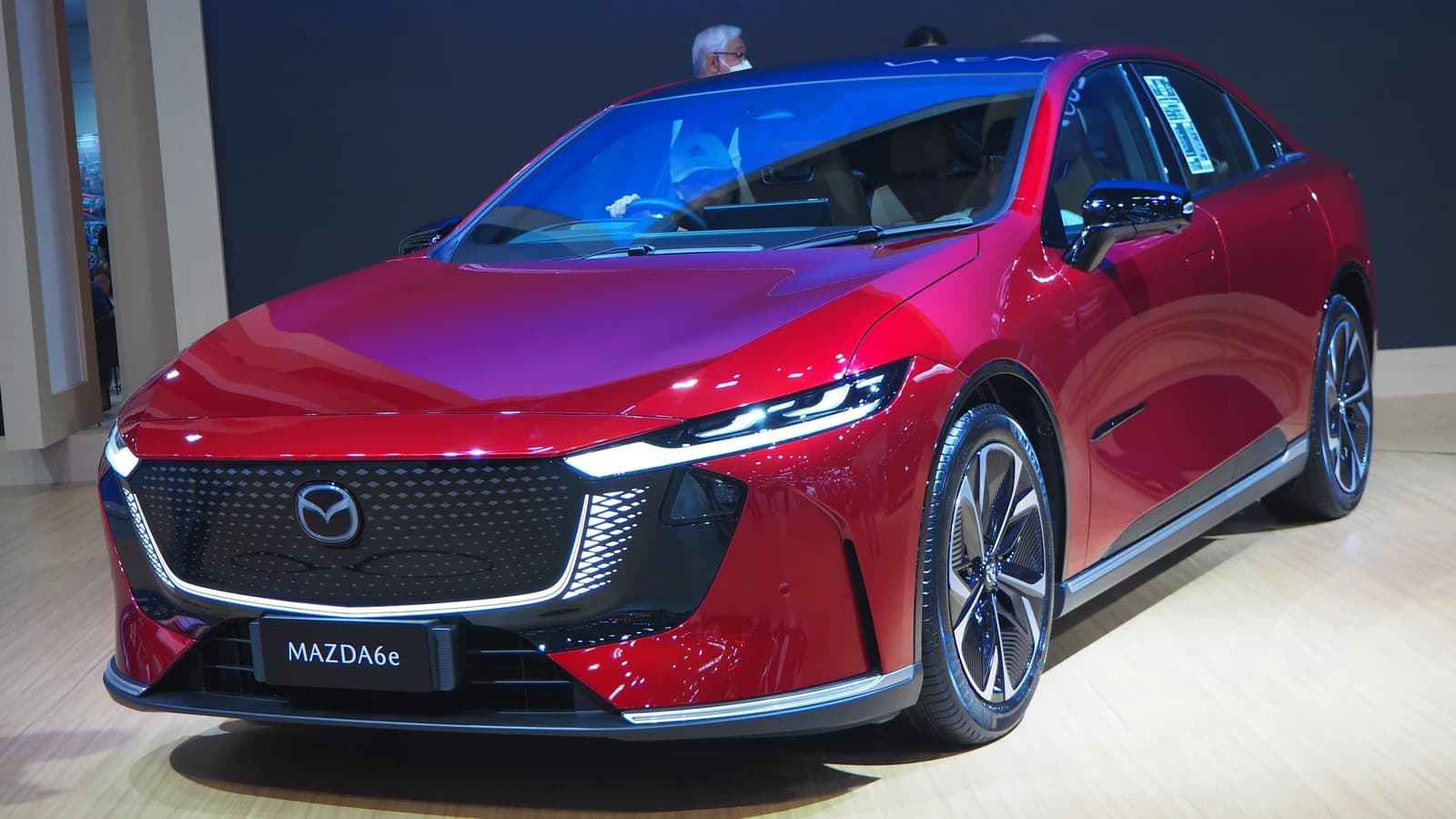
The CX-6e matters because it shows Mazda is moving deeper into battery-electric crossovers in one of the region’s most competitive growth markets, where Chinese, Japanese and Korean brands are all fighting for premium EV buyers. A Thailand launch gives Mazda a nearby production-and-distribution test case before any broader rollout in right-hand-drive Southeast Asia.
Sentiment IndicatorsⓘProprietary · adalytica.com · October 9, 2026
This is a snapshot — live sentiment, awareness and momentum for 130+ markets update continuously in the dashboard.Open AlphaPulse
The CX-6e is developed with ChangAn and rides on the EPA1 platform derived from Deepal S07, underscoring how legacy automakers are leaning on Chinese EV engineering to speed up product cycles. The SUV is built at ChangAn Mazda Automobile’s plant in Nanjing, China, and sold in Thailand in Premium and Premium Sport trims priced at 1.259 million baht and 1.299 million baht.
For buyers, Mazda is pitching size and equipment rather than pure value. The CX-6e comes with a rear-mounted 258-horsepower motor, a 77.9-kWh LFP battery, a claimed 555-km range in the Premium version under NEDC testing, and DC fast-charging up to 194 kW, with a 10%-80% charge time of 24 minutes.
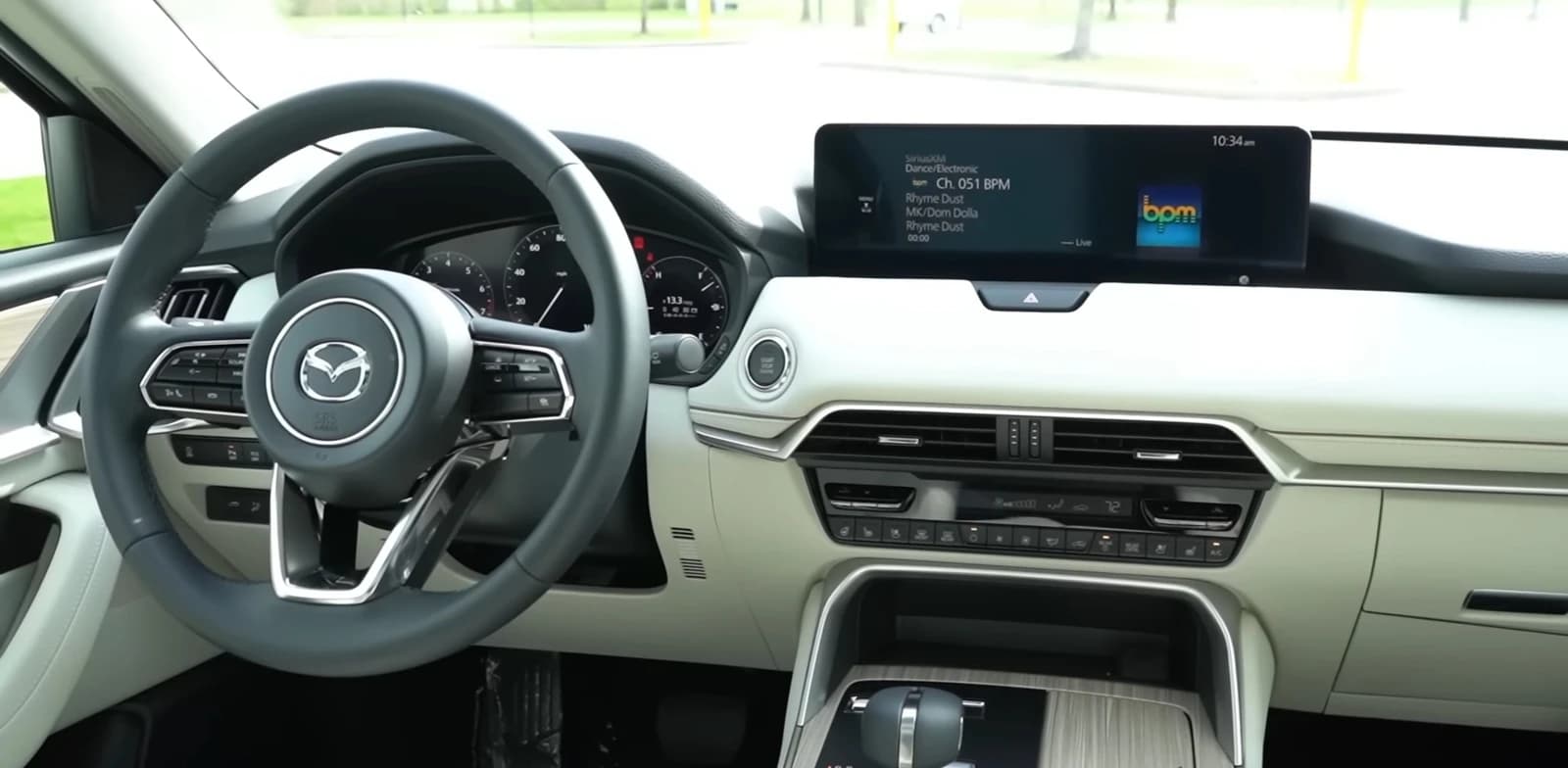
It also brings a long feature list that puts it squarely in the tech-heavy EV segment: a 26.45-inch 5K widescreen display, camera-based side mirrors, a digital rearview display, 23 speakers, level-2 driver assistance and a full ADAS suite. That positions it against similarly equipped Chinese EVs that have been winning ground on price, range and cabin technology.
The launch is relevant to investors because it highlights Mazda’s dependence on joint development and Chinese manufacturing as it tries to avoid being left behind in electrification. It also adds another data point for the broader auto sector: premium EV demand in Southeast Asia is becoming more contested, and makers without a strong local EV lineup risk losing share to faster-moving rivals.
Shares of Mazda’s U.S.-listed stock, MZDAY, have recently traded near $3.37, below the 50-day moving average of $3.62 and the 200-day moving average of $3.60, while RSI readings around 20 suggest the stock has been technically oversold. Tesla shares, meanwhile, have been holding above both major moving averages, and BYD’s U.S.-listed shares remain under pressure, reflecting the intensity of competition across the EV market.
For Vietnam, the key question is whether Mazda will use Thailand as a staging ground for a regional launch or keep the CX-6e confined to a smaller set of right-hand-drive markets. Any move into Vietnam would pit Mazda against Chinese EV brands, imported Korean models and domestic EV makers in a market where pricing, charging access and brand trust will determine whether a nearly 1 billion dong crossover can gain traction.
| Entity | Gains | Losses |
|---|---|---|
| Mazda | ▲EV credibility in Southeast Asia | ▼Reliance on Chinese EV platform and production |
| Thai consumers | ▲New premium EV option | ▼Buyers of older ICE crossovers |
| Chinese EV rivals | ▲Market validation for EV demand | ▼Less room if Mazda scales fast |
| Vietnam import buyers | ▲Potential future model choice | ▼Delay if Mazda stays out of market |