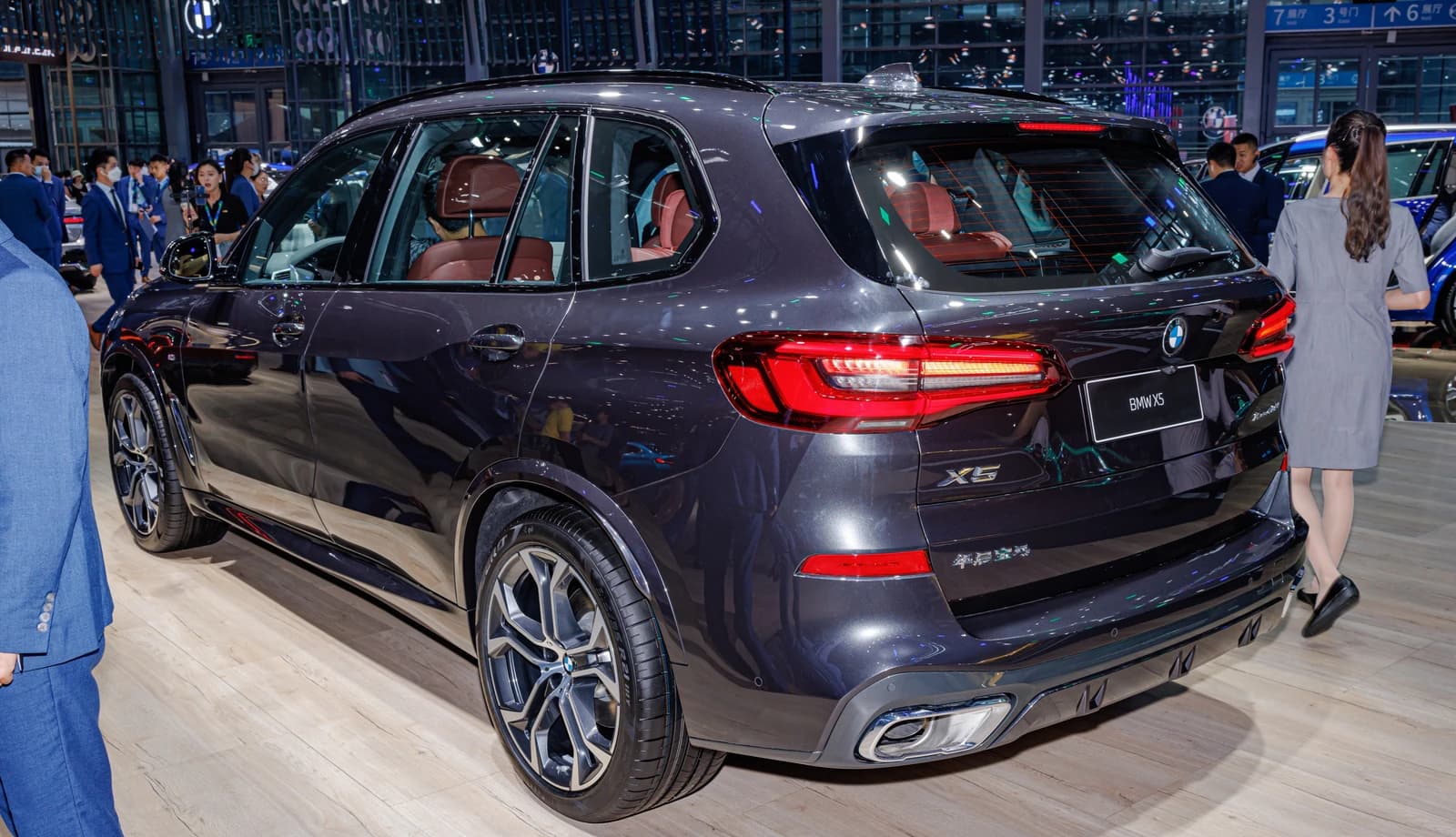
Mazda’s CX-90 is being pitched as a sharper value play against the BMW X5, using a 6-cylinder turbo engine, three-row seating and more cargo room to challenge a German luxury benchmark in the family SUV market.
Mazda CX-90 compares with BMW X5 on value
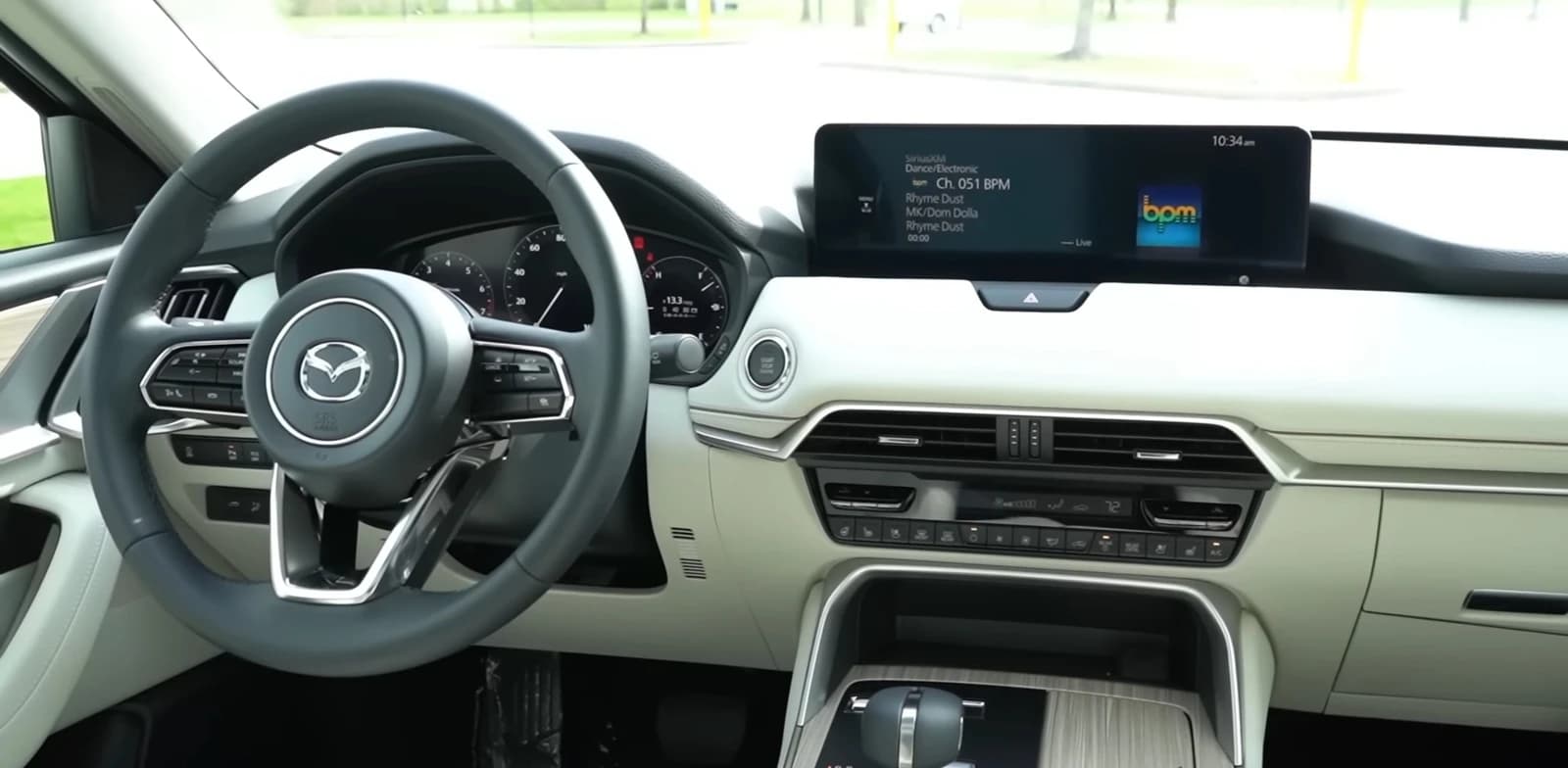
That matters because the fight is not just about horsepower. Mazda is pushing the CX-90 upmarket with a rear-drive-based platform, mild-hybrid 3.3-liter turbo six and plug-in hybrid option, positioning the SUV as a premium alternative for buyers who want luxury cues without BMW pricing.
The CX-90 is offered with 280 to 340 horsepower and seating for up to seven, with 74.2 cubic feet of cargo space behind the first row. The X5, by contrast, uses a 3.0-liter twin-turbo six with a mild-hybrid system rated at 375 horsepower, but it carries only two rows and offers 72.3 cubic feet of cargo space.
For investors, the story is about Mazda’s long-running attempt to expand margin-rich SUV sales and move its brand closer to European premium rivals. The CX-90 is part of that strategy, with Mazda updating the model through 2026 and 2027 with interior, wheel and safety enhancements to keep it competitive in the higher-end family-hauler segment.
Mazda shares in Tokyo-traded form have been volatile, and the latest technical setup shows the stock below its 50-day and 200-day moving averages, with the RSI at 21.2, a level that points to oversold conditions by conventional technical indicators. That does not change the fundamental story, but it underscores how closely investors are watching whether Mazda can turn premium SUV execution into sustained earnings momentum.
The next catalyst is whether Mazda can keep CX-90 demand strong enough to support pricing and mix, especially as it continues to refine the model for the 2026 and 2027 model years.
| Entity | Gains | Losses |
|---|---|---|
| Mazda CX-90 | ▲Premium positioning | ▼ |
| BMW X5 | ▲ | ▼Value comparison |
| Mazda | ▲Higher-end SUV mix | ▼ |
| Luxury SUV buyers | ▲More choice | ▼Higher-priced rivals |