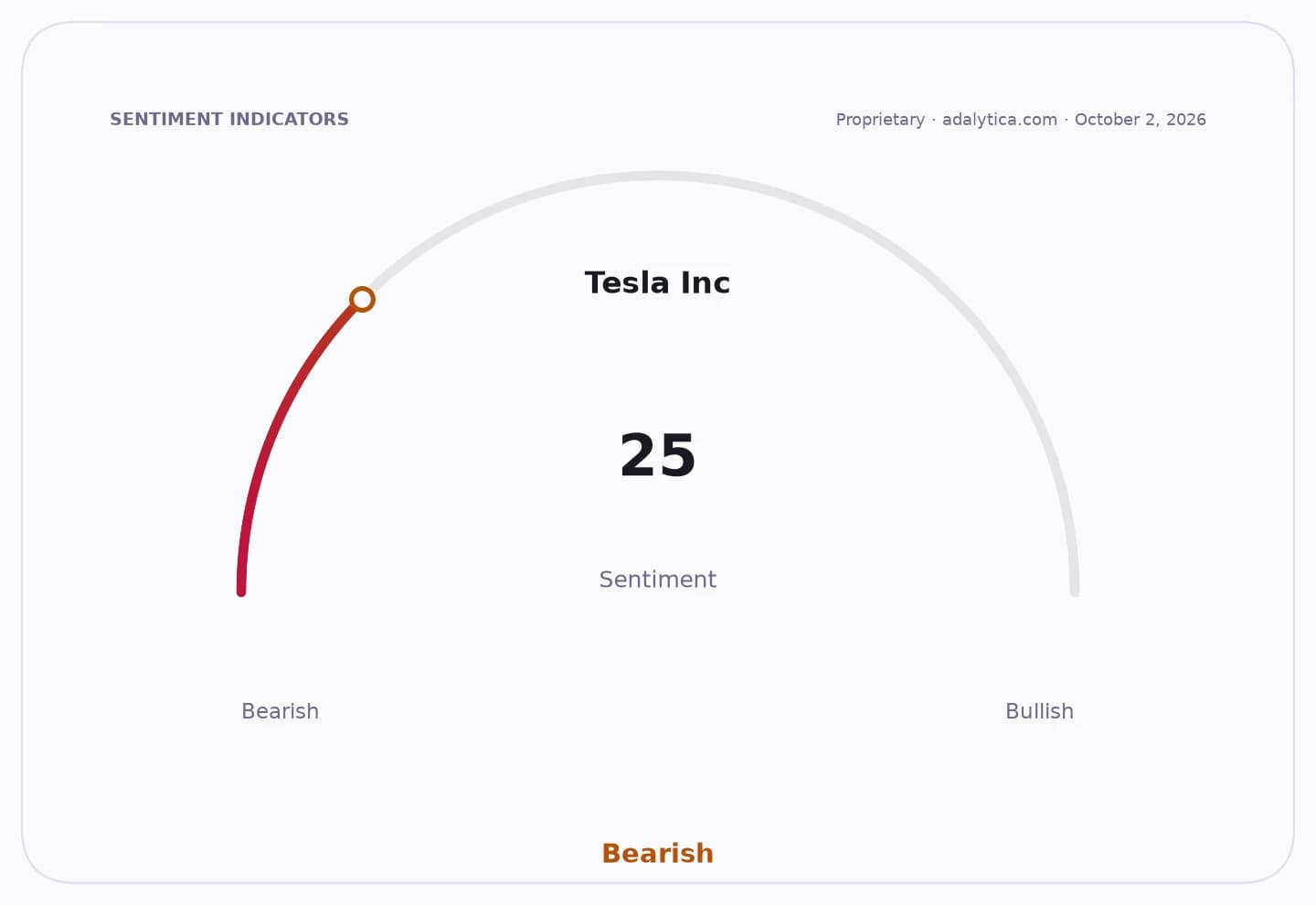
Tesla’s latest delivery rebound has revived the case for the stock, but the real investment debate is whether Elon Musk’s carmaker still offers more upside than SpaceX after a year of falling revenue and profit pressure.
Tesla delivery rebound and valuation case

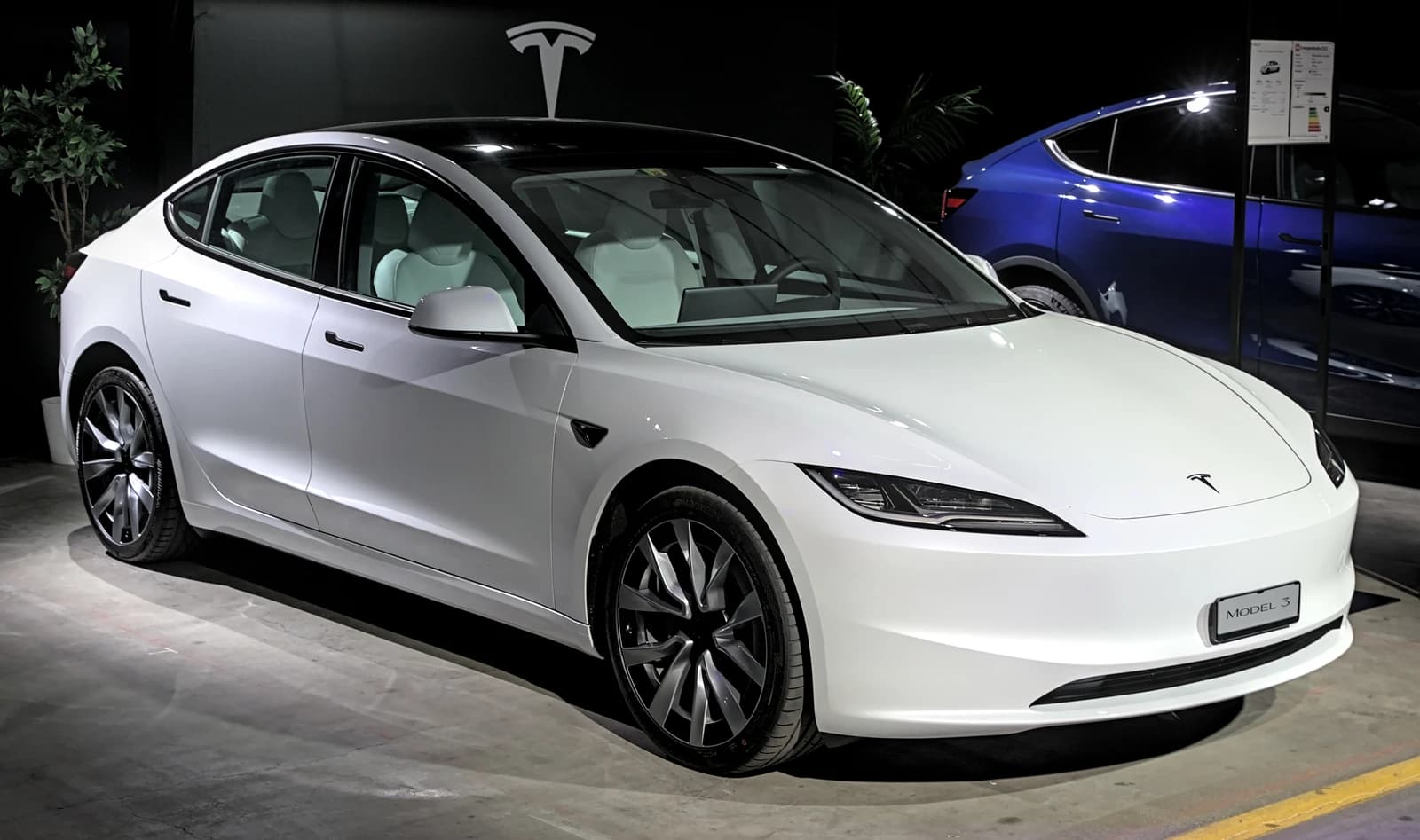
Tesla delivered 486,532 vehicles in the third quarter, easily topping Wall Street’s 462,000 estimate and marking its strongest quarterly tally of the year. The result helped push the shares higher and suggested demand is stabilizing after a bruising stretch in which 2025 revenue fell 3% and auto revenue dropped 10%, while adjusted earnings per share sank 28% as expenses climbed.
That matters because Tesla is no longer being valued only on electric-vehicle sales. Investors are also leaning on the company’s robotaxi program, its Cybercab, the Semi and the Optimus humanoid robot, which Musk has said could become Tesla’s biggest business. The market is effectively paying for a bundle of optionality: a recovering core auto franchise, plus a shot at autonomy, robotics and energy.
The delivery recovery is showing up first in Europe, where buyers have started returning to EVs as high gasoline prices tied to the U.S.-Iran conflict support the case for electric transport. September registrations jumped 128.3% in Portugal, 61.9% in France, 38.4% in Sweden and 24.8% in Spain, evidence that Tesla still has brand pull in a region where many investors had written off the growth story.
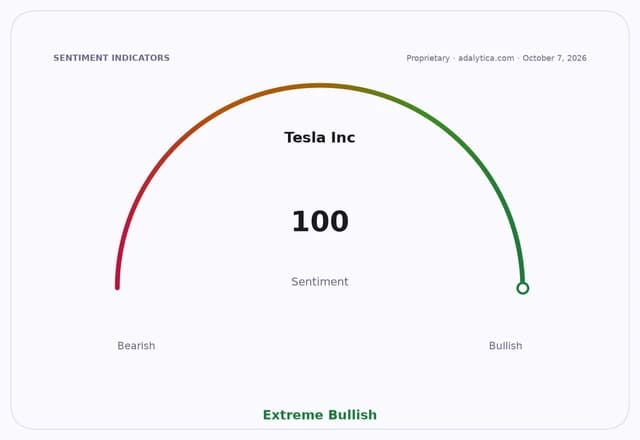
There is also a bigger balance-sheet and valuation angle. Tesla is still trading on a much cheaper multiple than SpaceX, even though SpaceX dominates the space narrative with Starlink, AI infrastructure ambitions and a growing software arm. In other words, the market is assigning Tesla less credit for a rebound that may only be starting, while paying up for SpaceX’s longer-dated promises.
That is why the stock’s recent move matters beyond a single quarter. Tesla’s core auto business is not dead, its energy and storage division is becoming more relevant, and its autonomous and robotics bets still offer asymmetric upside if even one of them scales. For investors looking for the better entry point in Musk-linked growth, Tesla looks like the more compelling risk-reward today — especially if delivery momentum keeps building into year-end and the market starts to price in the next phase of margin recovery.
| Entity | Gains | Losses |
|---|---|---|
| Tesla shareholders | ▲Delivery rebound, cheaper valuation | ▼Near-term margin pressure |
| SpaceX holders | ▲Stronger AI/Starlink narrative | ▼Higher implied premium |
| EV buyers in Europe | ▲More supply and choice | ▼Legacy automakers facing pressure |
| Short sellers in Tesla | ▲Potential squeeze on improving fundamentals | ▼Renewed momentum in the stock |