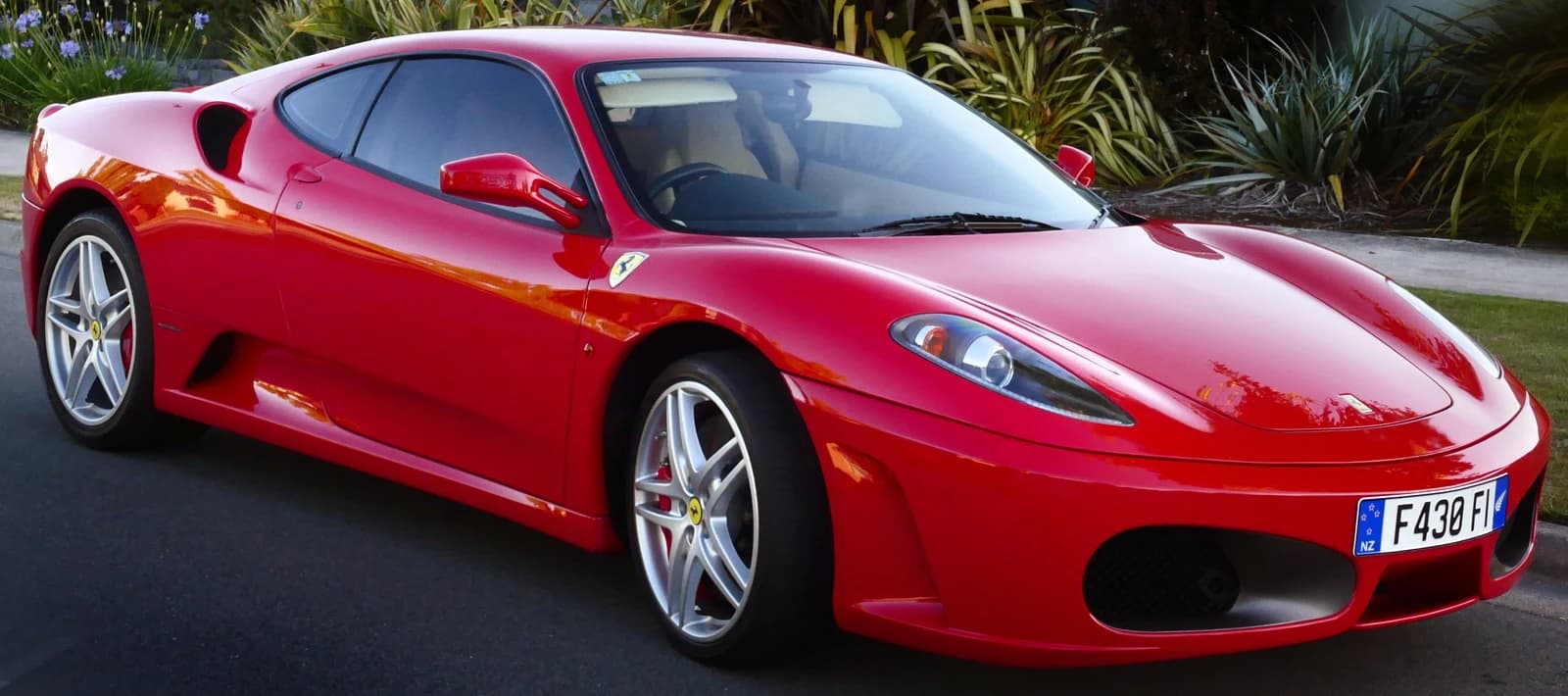
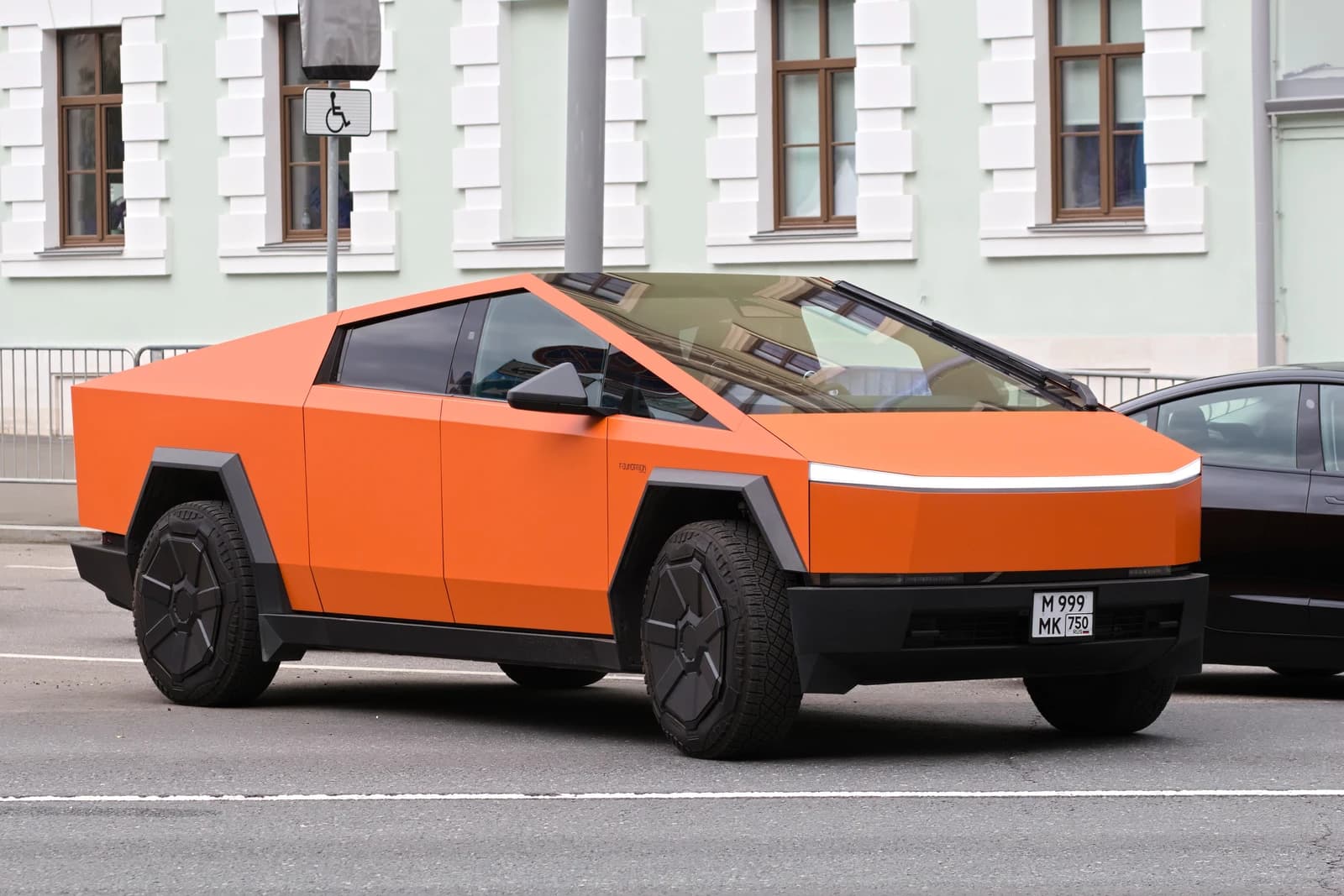
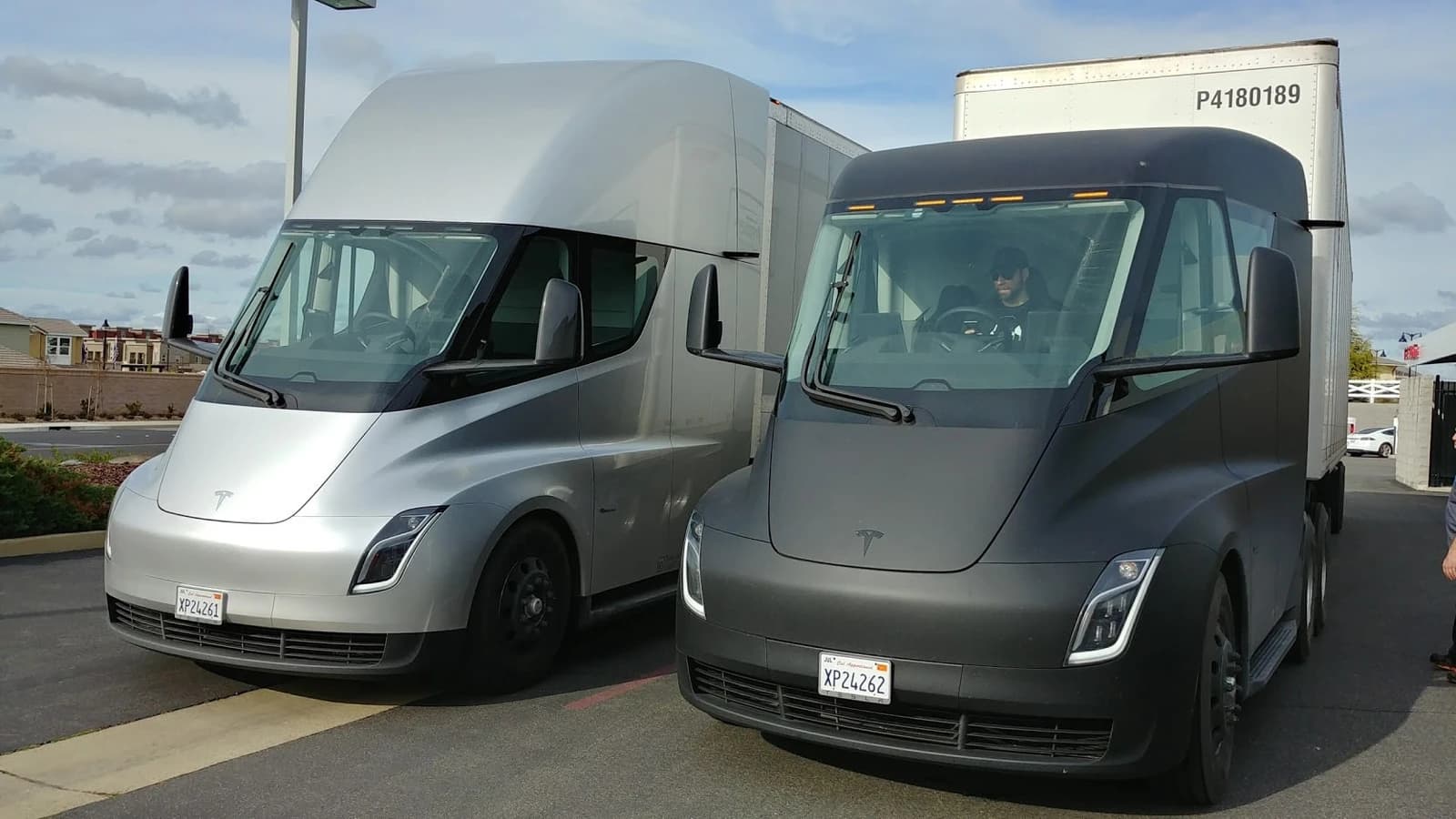
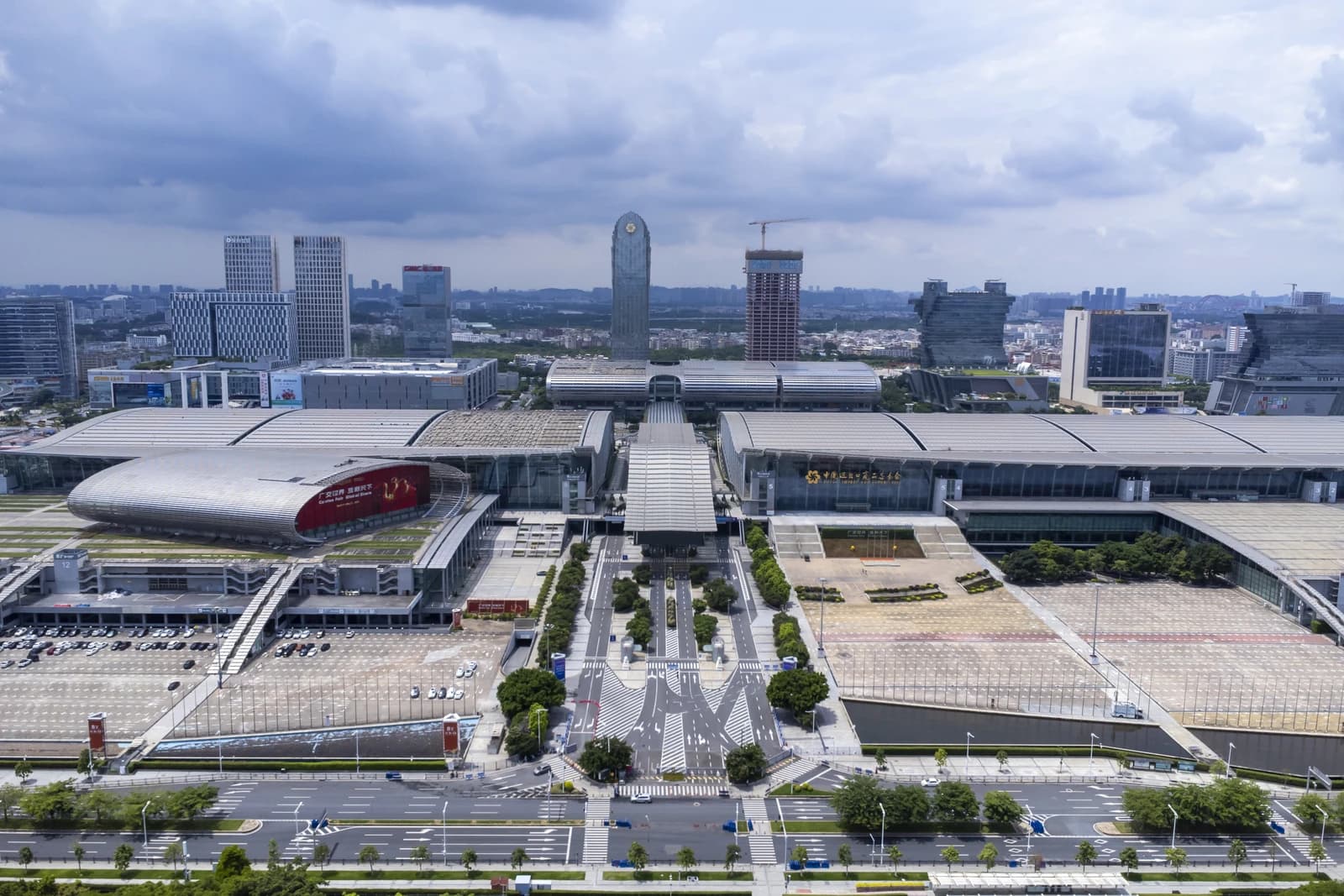
China’s electric-vehicle surge is widening the gap between mass-market EV makers and premium Western car brands, with Tesla still one of the few global names that can trade directly on China’s EV appetite while Ferrari and Mercedes-Benz face a market that is shifting away from traditional luxury combustion and hybrid badges.
Tesla, Nio, Xpeng in China EV market shift
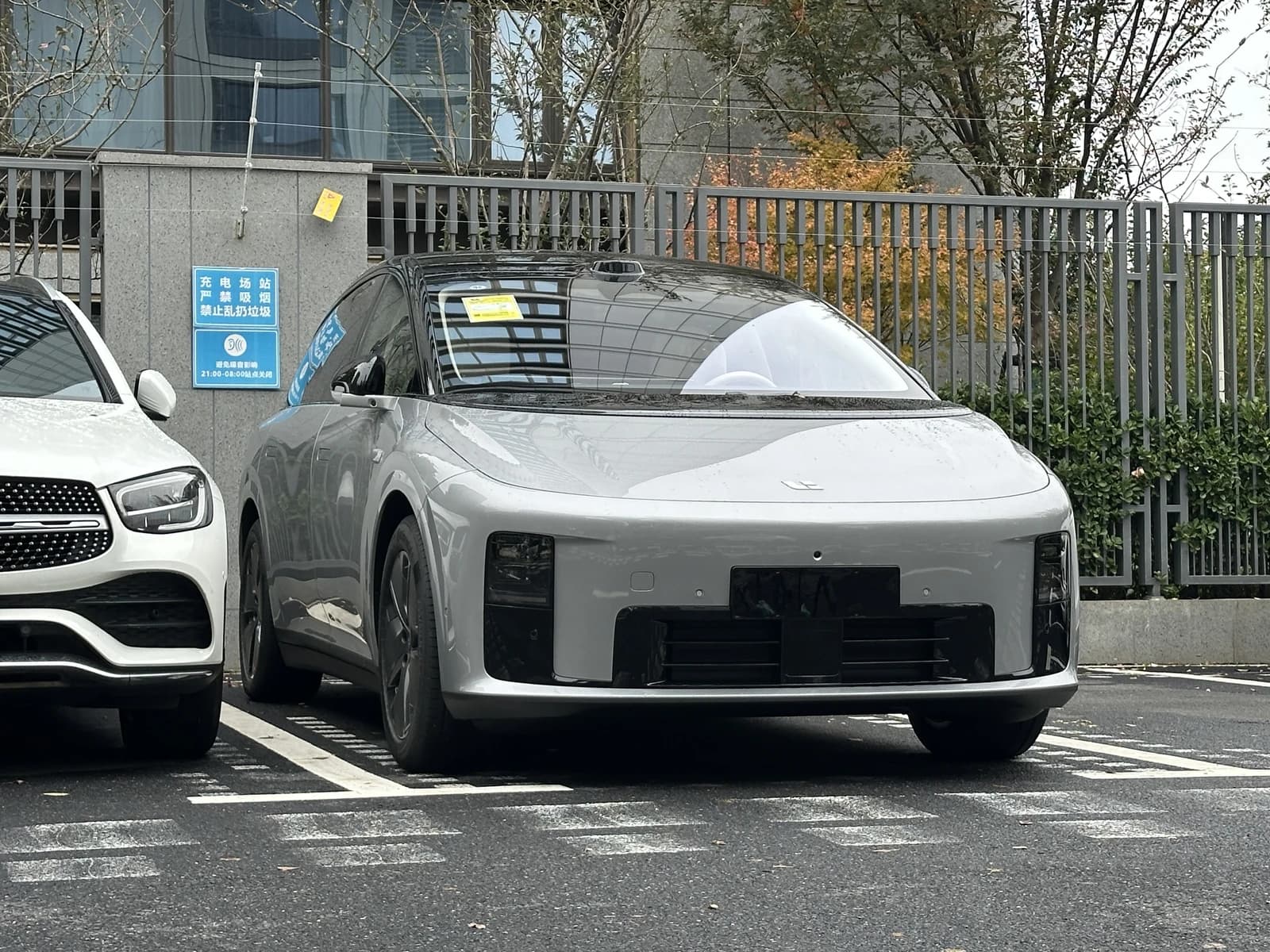
That matters because China is still the world’s biggest auto market, and the consumer mix there is moving toward technology-led EVs, faster refresh cycles and heavier price competition. The result is a structural headwind for legacy premium brands that once counted on Beijing as a profit engine, while local and EV-focused players gain share from a market that increasingly values software, range and charging access over brand heritage.
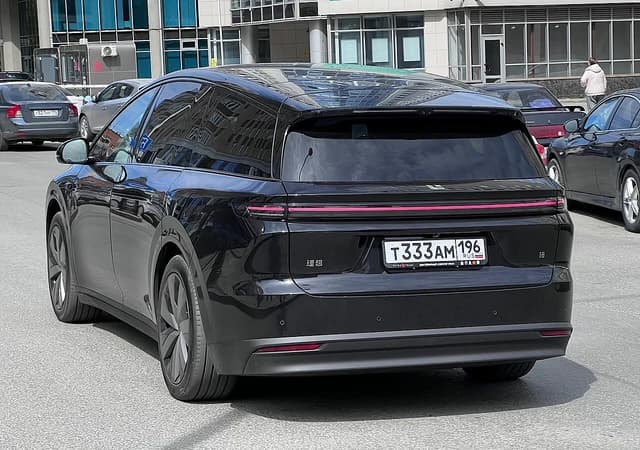
Tesla shares are up sharply in the latest stretch, closing at $370.59 on Oct. 2 after a 5.4% advance that came with 55.2 million shares changing hands, well above its 50-day moving average of $347.58. The stock’s RSI reading of 57.6 and positive MACD readings suggest momentum has improved, though the price remains below the 200-day moving average near $393, showing the move is more recovery than breakout.
The data also underline how volatile the China EV trade has become. Nio finished at $3.37, with its RSI at 27.3 and the stock still below both its 50-day and 200-day moving averages, a sign that weaker players are struggling to keep investor confidence. By contrast, Xpeng has been hit harder on a percentage basis, slipping to $9.25 after a series of down days and an RSI near 20, reflecting a market that still rewards scale and punishes companies without clear profitability or product differentiation.
For investors, the takeaway is that China’s EV boom is no longer just about unit growth. It is increasingly about who owns the software stack, battery supply chain and pricing power, and that favors companies able to move quickly on product cycles and localize aggressively. Premium imported brands face a tougher math problem: higher costs, slower adaptation and a customer base that now has more domestic choices than ever.
The next catalysts are China sales data, margin commentary from global automakers and any fresh pricing or product moves from Tesla and its Chinese rivals. If the country’s EV demand keeps favoring value and technology over legacy luxury, the winners and losers in Beijing will keep diverging.
| Entity | Gains | Losses |
|---|---|---|
| Tesla | ▲China EV demand | ▼Premium ICE rivals |
| Chinese EV makers | ▲Share gains | ▼Legacy import brands |
| Ferrari | ▲— | ▼Beijing luxury demand |
| Mercedes-Benz | ▲— | ▼Brand pricing power |