China’s exports are showing unexpected growth in the third quarter, a sign that overseas demand is still giving the world’s second-largest economy a lift even as global trade remains uneven.
China Exports Rise on AI and Auto Demand

That matters because China’s export engine has been one of the few reliable offsets to weak domestic demand, helping Beijing keep growth near its 4.5% to 5% target and giving manufacturers a reason to keep lines running. September factory activity expanded for the first time since June, underscoring that the recent pickup is not just a one-off trade boost but part of a broader stabilization in industrial momentum.
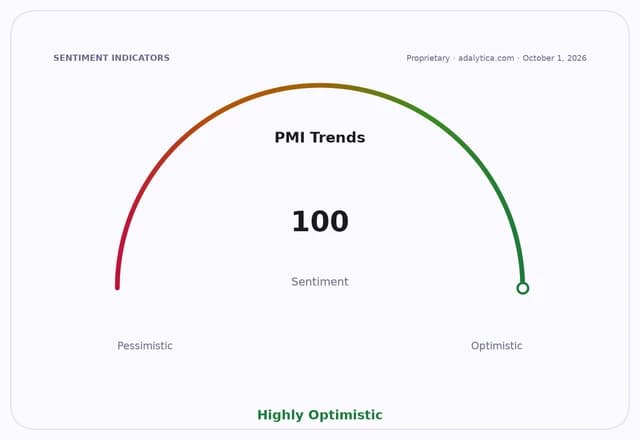
Sentiment IndicatorsⓘProprietary · adalytica.com · October 1, 2026
This is a snapshot — live sentiment, awareness and momentum for 130+ markets update continuously in the dashboard.Open AlphaPulse
Hong Kong’s export data points to how the trade rebound is being driven. Shipments have surged to record levels, with projections for 42% to 47% growth on demand for AI equipment and Chinese car exports to Europe, suggesting external demand is concentrating in higher-value goods rather than broad-based consumer shipments.
For investors, the implications run from Chinese exporters to global industrials and logistics names. A firmer export backdrop supports earnings for shipping, machinery and auto suppliers, while also reinforcing the case for Chinese equities tied to trade and manufacturing. The iShares MSCI China ETF, FXI, was last at $33.92, below its 50-day moving average of $35.16 and 200-day average of $36.09, while the broader China ETF MCHI closed at $52.11 versus a 50-day average of $54.34, showing that sentiment in listed China proxies remains softer than the macro data.
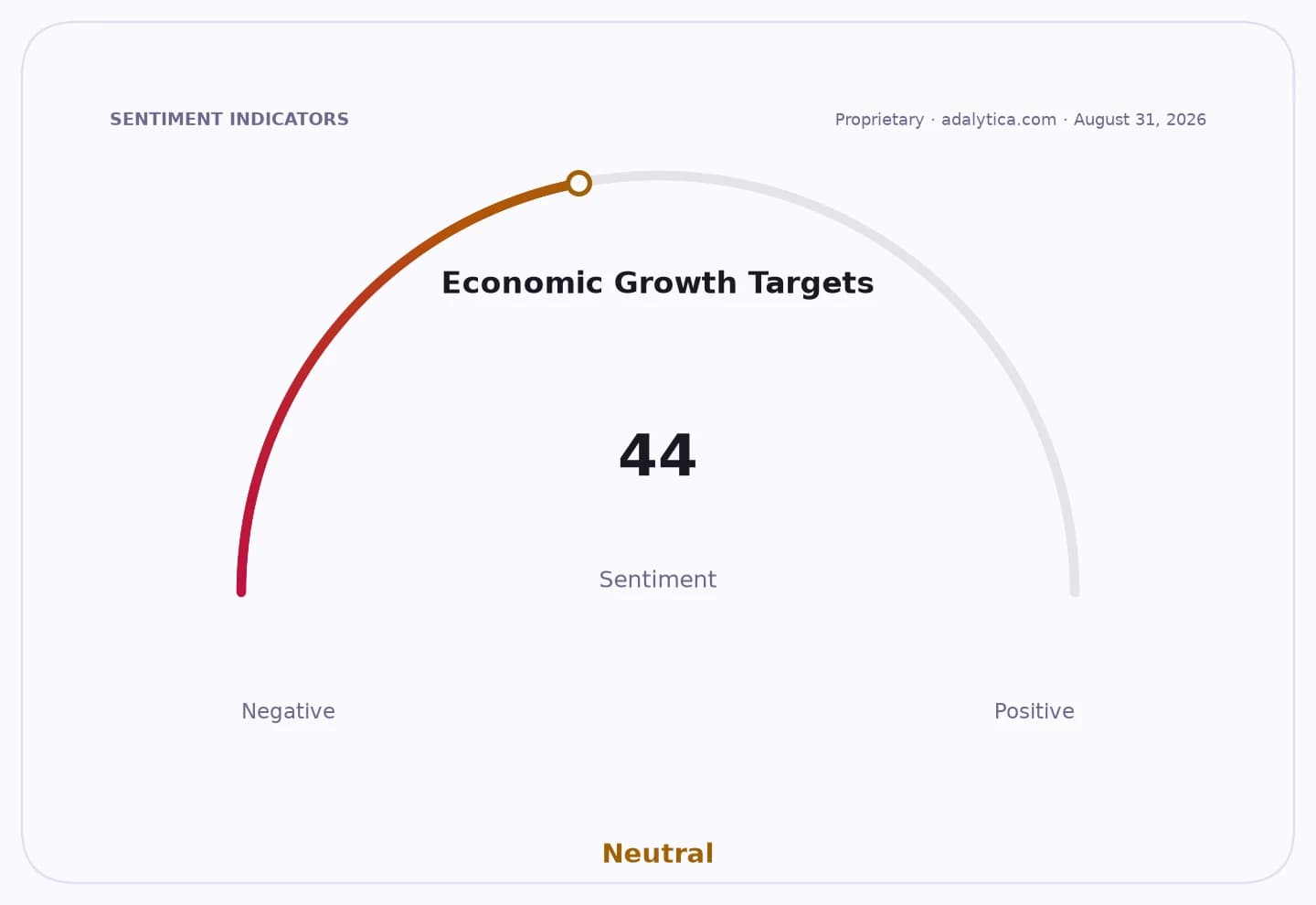
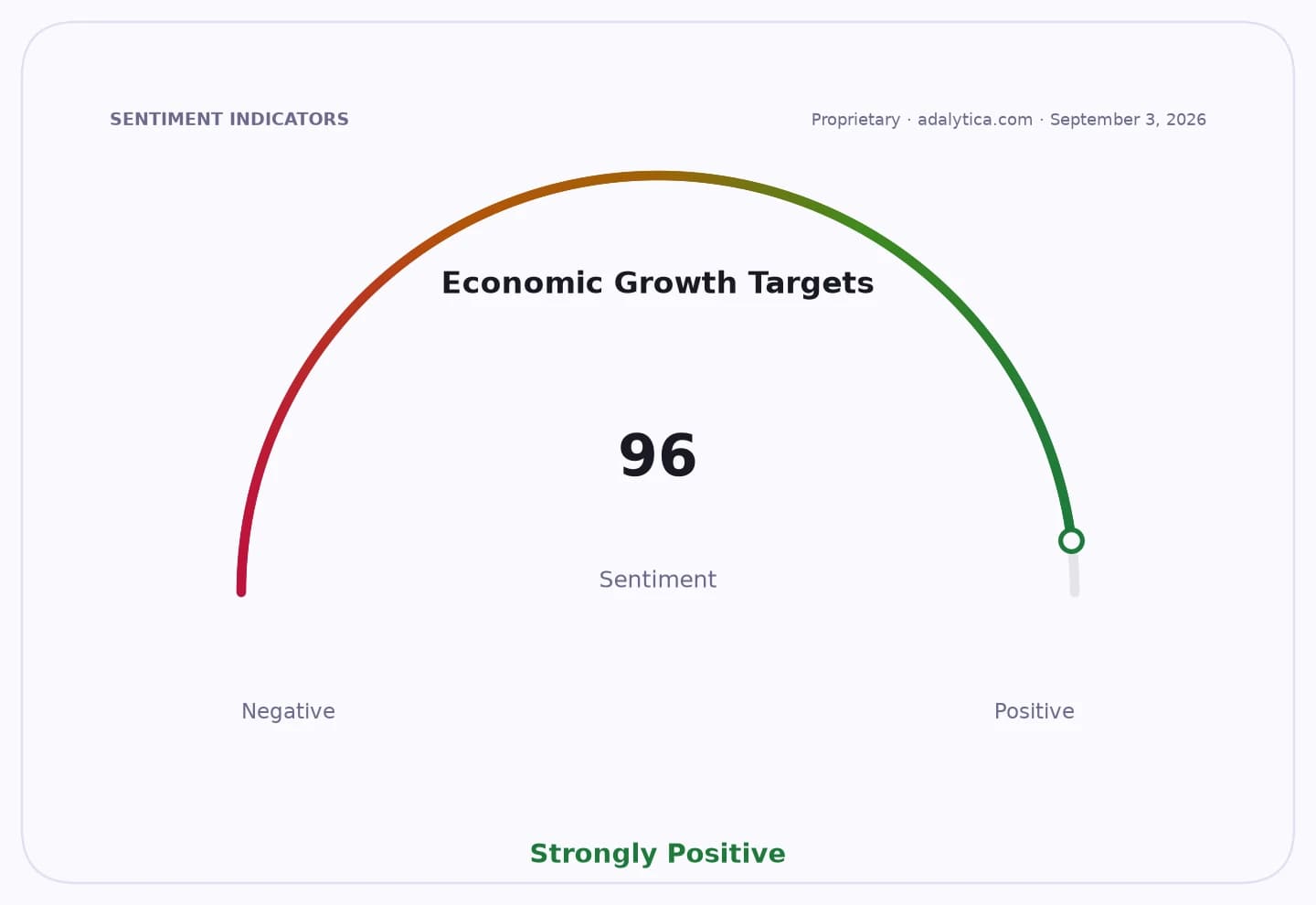
The rebound also arrives alongside signs that Beijing’s support measures are gaining traction, after months of stop-start activity and cooling industrial profit growth. Adalytica’s China Economic Growth Target Sentiment snapshot now shows neutral sentiment but extreme awareness, indicating investors are watching closely for whether the recovery can be sustained into year-end.
The bigger question is whether export strength can outlast the current burst of demand and offset a still-fragile property sector and patchy household spending. Next catalysts are September trade data, more details on Beijing’s policy support and any signs that demand for AI-related hardware and autos is broadening beyond a handful of fast-growing lanes.
| Entity | Gains | Losses |
|---|---|---|
| Chinese exporters | ▲Higher overseas sales | ▼Margin pressure if demand cools |
| Beijing policymakers | ▲Better growth support | ▼Pressure to deliver more stimulus |
| FXI, MCHI holders | ▲Upside from trade rebound | ▼Weak chart trends if rally fades |
| Global competitors | ▲Less pricing power | ▼More competition from China |