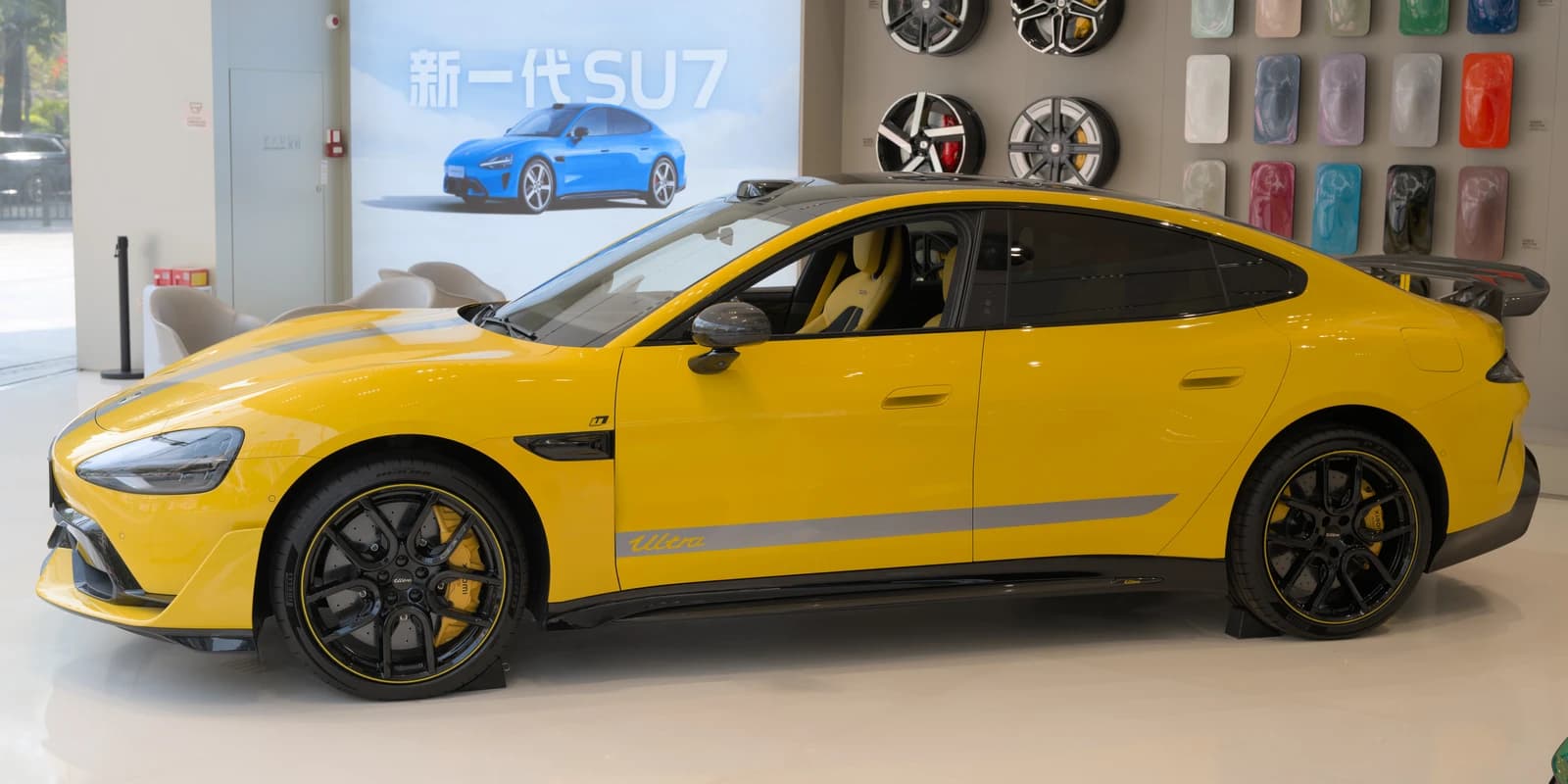
Toyota’s next-generation electric vehicle is being built around key parts sourced from Chinese manufacturers, underscoring how Japan’s auto industry is losing ground in the supply chain even as the EV market expands.
Toyota EV Uses Chinese Parts, Japan Supply Chain Pressured
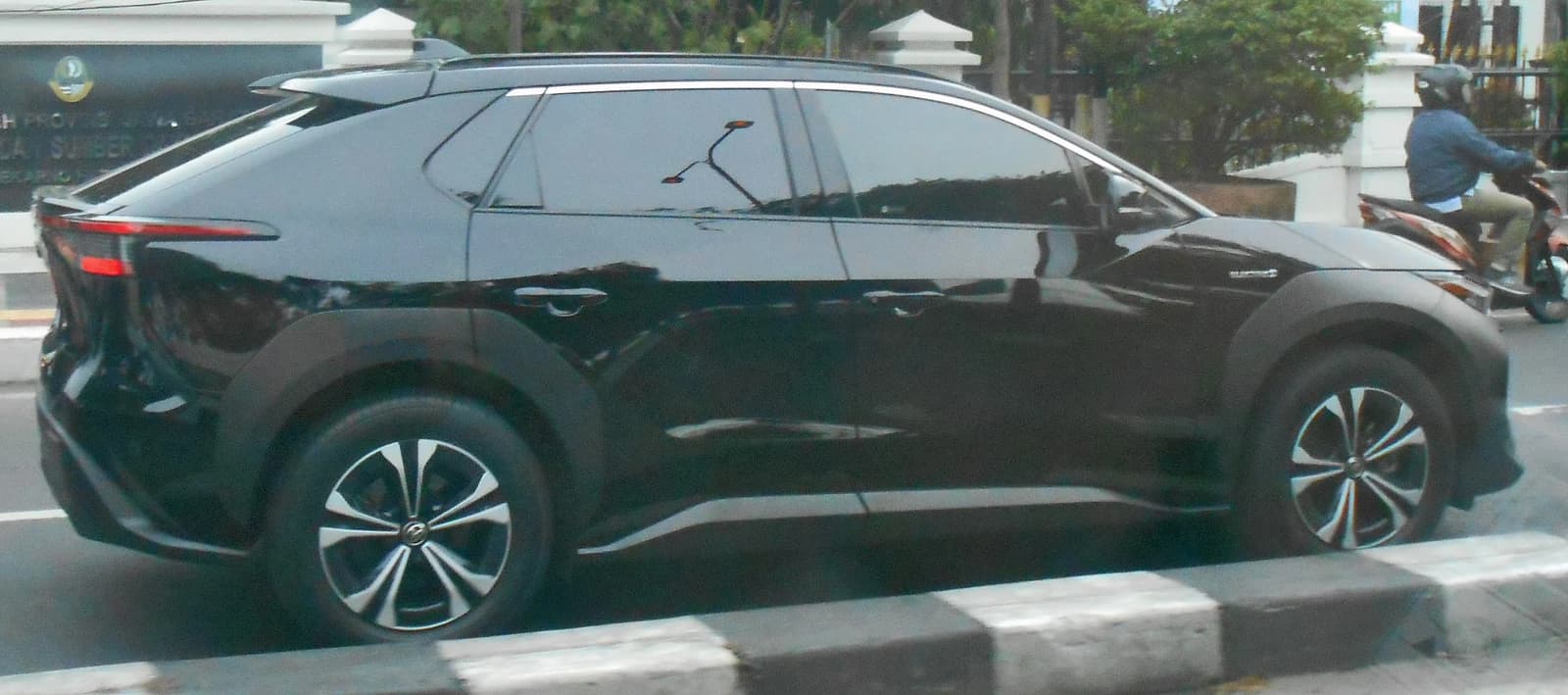
The shift matters because the battle over EVs is no longer just about who sells the most cars, but who controls the batteries, electronics and other high-value components that determine cost, speed to market and margins. If Toyota is increasingly turning to Chinese vendors for core parts, it suggests Japanese suppliers are struggling to keep up on price, scale and EV-specific engineering — a warning sign for an industry that has long depended on domestic procurement to support manufacturing employment and regional industrial ecosystems.
For investors, the implication is two-sided. Toyota may benefit from lower input costs and faster development by tapping China’s more mature EV supply chain, but that efficiency comes with strategic risk: greater exposure to geopolitical friction, intellectual-property concerns and potential pressure from policymakers in Japan who want more domestic content in strategic industries. The development also highlights a broader competitive gap. Chinese parts makers are moving from being low-cost manufacturers to indispensable suppliers in global EV production, while Japanese component companies face shrinking order books and the prospect of being bypassed in the next wave of vehicle platforms.
The market reaction also fits the stock backdrop. Toyota shares have held up better than several peers, but the stock has recently slipped below its 50-day moving average, a sign that investors are no longer rewarding the name as uniformly as earlier in the year. Honda, by contrast, has been firmer and remains above its 50-day average, reflecting a market that is still sorting winners and losers within Japan’s auto complex. Nissan remains the laggard, with its shares still trading below both the 50-day and 200-day averages, underscoring how uneven the transition to electrification has become across Japanese automakers.
The broader narrative is that China’s EV industrial base is moving from local dominance to global leverage. For Toyota, that may be a pragmatic response to competitive reality. For Japan’s suppliers, it is a warning that the next generation of EVs may be designed in Japan but increasingly built on Chinese parts.
The key question now is whether Toyota treats this as a selective sourcing decision or the start of a deeper reordering of its supply chain. If the latter, the winners will be Chinese component makers and Japanese automakers that can cut costs quickly. The losers may be domestic suppliers that fail to adapt to an EV market that is increasingly being shaped in China.
| Entity | Gains | Losses |
|---|---|---|
| Toyota | ▲Lower-cost EV sourcing | ▼Greater supply-chain dependence |
| Chinese parts makers | ▲Higher orders, strategic access | ▼None immediately visible |
| Japanese suppliers | ▲Domestic demand erosion | ▼Lost component contracts |
| Investors in efficient EV makers | ▲Better margins and speed | ▼Exposure to geopolitical risk |