German carmakers are increasingly leaning on the U.S. market for growth and margins just as China weakens and tariffs reshape the global auto trade, a shift that could turn North America into a far bigger profit engine for BMW and Mercedes-Benz even as Europe’s export model comes under strain.
BMW and Mercedes Shift Growth to U.S. Market

That matters because the auto industry is no longer competing on product alone; it is being redrawn by policy. Higher U.S. tariffs and weakening Chinese demand are forcing premium German brands to build around local production, pricing power and supply-chain resilience rather than volume growth in the world’s two most important auto markets. For investors, that changes where earnings will come from — and which manufacturers can protect them.
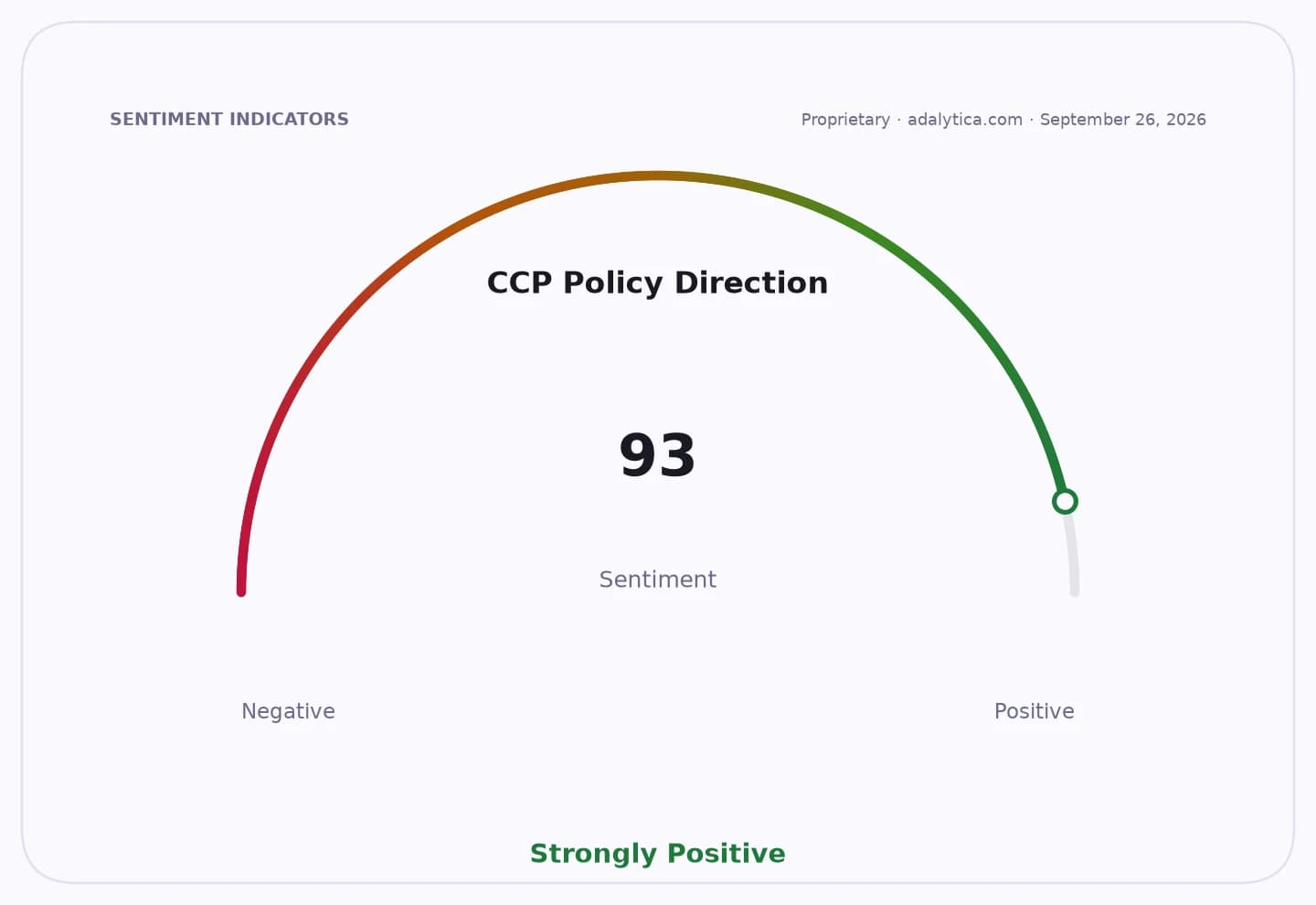
Sentiment IndicatorsⓘProprietary · adalytica.com · September 30, 2026
This is a snapshot — live sentiment, awareness and momentum for 130+ markets update continuously in the dashboard.Open AlphaPulse
The market is already signaling the strain. Volkswagen’s U.S.-listed shares have slid to $7.94 from more than $11 earlier this year, with the stock trading well below its 200-day moving average and its RSI deep in oversold territory, while Mercedes-Benz’s U.S. shares have fallen to $46 from the mid-$60s and are now far under their own 200-day average. The moves reflect more than broad European malaise: they point to investor concern that trade barriers, Chinese competition and softer global demand are compressing the earnings power of legacy automakers.
The stronger dollar backdrop only adds to the pressure on exporters. Adalytica’s U.S. dollar trade signals show extreme fear, underscoring how unstable currency and trade conditions have become for companies selling abroad and manufacturing across borders. For German carmakers, that environment makes U.S.-based output and pricing more valuable, because it helps offset tariff exposure and reduces reliance on volatile cross-border flows.
This is where the hidden opportunity lies. The market has been punishing the incumbents for their China exposure, but it may be underestimating the second-order beneficiary of trade fragmentation: premium automakers with the balance sheet and brand strength to localize production in the U.S. BMW and Mercedes-Benz can still defend margins if they keep shifting supply closer to American buyers, while Volkswagen remains more exposed given its broader mass-market footprint and weaker technical setup. In other words, tariffs are not just a cost; they are also a moat for the best-capitalized manufacturers.
The deeper narrative is that German autos are moving from global scale economics to regional profit centers. China is no longer the easy growth engine it once was, and the U.S. is becoming the business that matters most for earnings durability. That favors companies able to harvest profit from high-end SUVs, luxury sedans and localized assembly, while punishing those still dependent on a cross-border model that tariffs can disrupt overnight.
For investors, the takeaway is straightforward: own the German automakers that can monetize the U.S. while reducing China dependence, and be cautious on the ones still trapped in the old export playbook. The next leg of the trade may not come from unit growth, but from which manufacturers can turn geopolitics into pricing power.
| Entity | Gains | Losses |
|---|---|---|
| BMW | ▲U.S. pricing power | ▼China demand softness |
| Mercedes-Benz | ▲Localized margin protection | ▼Tariff exposure |
| Volkswagen | ▲Limited diversification benefit | ▼Export model pressure |
| U.S. auto plants | ▲More investment and output | ▼Overseas rivals’ margins |