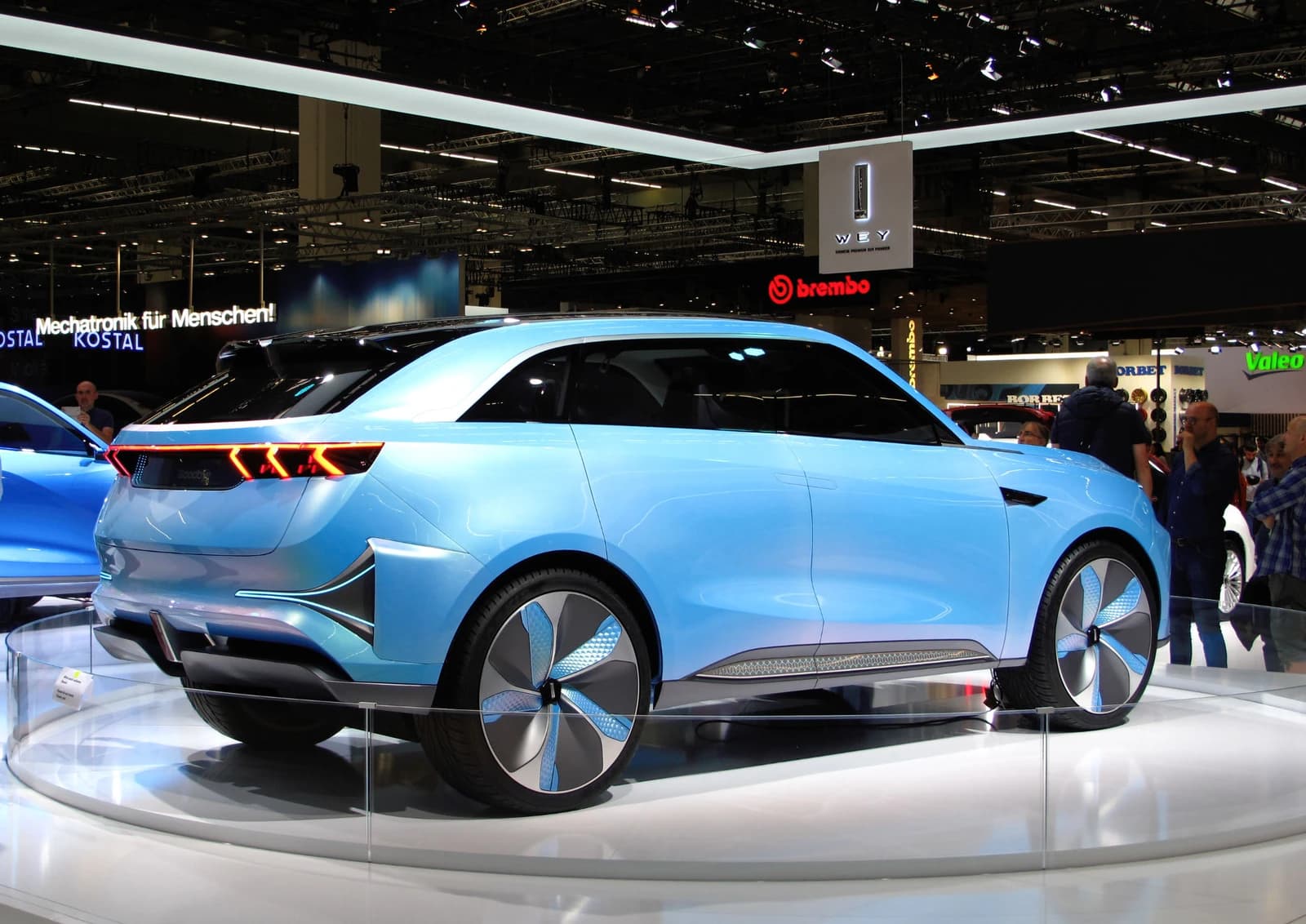
China is pressing the European Union to keep its market open to Chinese carmakers, warning that new barriers would deepen the split in global trade just as German manufacturers brace for more pain in their biggest overseas market.
China Presses EU to Keep Car Market Open
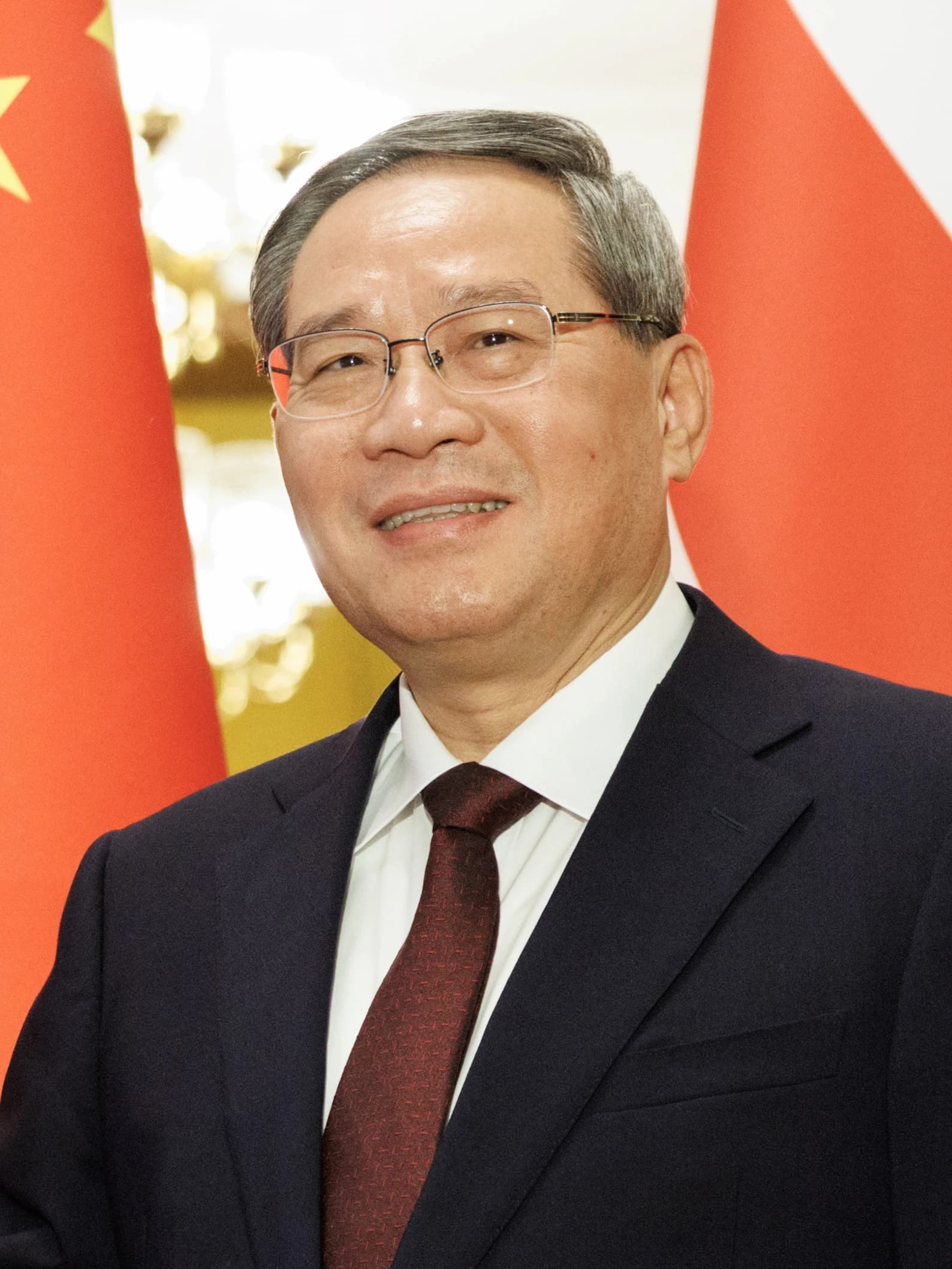
Chinese Commerce Minister Wang Wentao told VDA President Hildegard Müller that China was not the source of the EU’s economic and trade problems and called for a “fair, open and non-discriminatory” environment, according to a ministry statement after their meeting on Monday. He said Beijing does not want the EU to “set its sights on protectionism” or restrict access in ways that would “split global markets.”
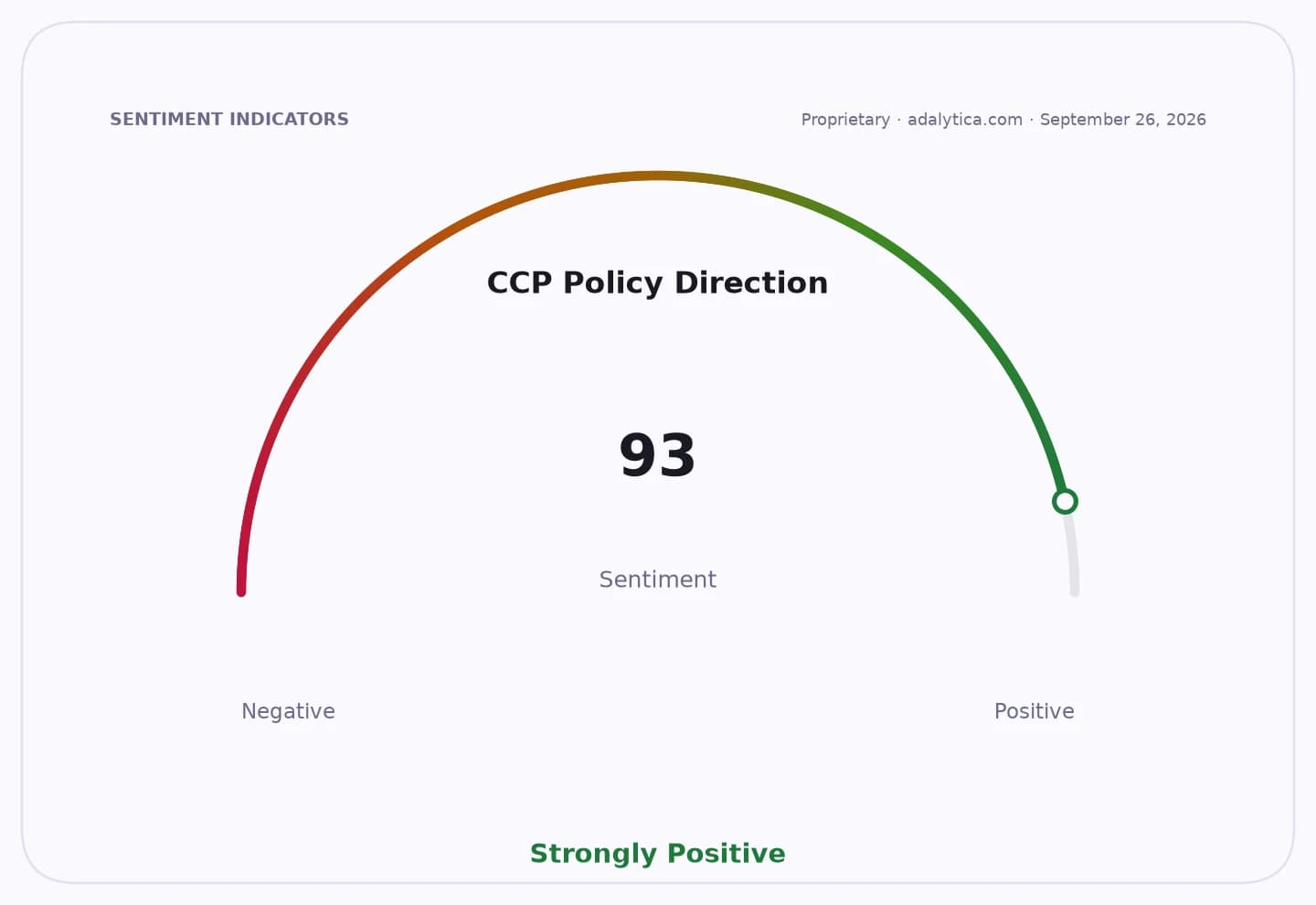
Sentiment IndicatorsⓘProprietary · adalytica.com · September 26, 2026
This is a snapshot — live sentiment, awareness and momentum for 130+ markets update continuously in the dashboard.Open AlphaPulse
The appeal lands as Germany prepares economic-security measures aimed at shielding strategic industries from China, including possible new tariffs on hybrid vehicles and tighter export controls. It also comes ahead of a meeting next month where EU leaders are expected to discuss the bloc’s trade deficit with China and possible new tools to respond to Beijing’s trade practices.
For investors, the stakes are high because Europe’s car industry is already under pressure from cheap Chinese exports and shrinking demand at home. BMW’s Milan Nedeljkovic said Chinese production remains close to 30 million vehicles while sales are slowing, leaving “almost 10 million cars” for export and pushing down prices globally. Volkswagen’s China chief Ralf Brandstätter said the market in China may shrink by a fifth this year, while BMW has warned of a possible drop in Chinese new-car sales below 20 million from 24 million last year.
That weakening backdrop is feeding the political backlash in Europe. German executives say prices from some Chinese brands are not set by normal market forces, a charge that has helped fuel support for tariffs and other defensive measures. Wang said China wants disputes handled through the China-EU consultation mechanism on trade and investment, and he also met Mercedes-Benz chief executive Ola Källenius, underscoring how central the auto sector has become to the broader standoff.
The dispute matters beyond carmakers because it sits at the intersection of industrial policy, trade balances and export pricing. China’s push for open access suggests Beijing wants to preserve the European market as domestic demand softens, while Brussels is under pressure to protect local producers and jobs from import competition.
Shares of China-heavy vehicle exposure, including the FXI and EWT ETFs, were trading near the lower end of their recent ranges, with FXI closing at $33.96 and EWT at $114.78 on Friday, reflecting investor caution around China-linked policy risk. Traders will now watch whether EU leaders advance new trade tools next month and whether talks with Beijing can produce any concessions before the October deadline set for progress on the dispute.
| Entity | Gains | Losses |
|---|---|---|
| Chinese automakers | ▲Better EU market access | ▼New tariffs and quotas |
| European carmakers | ▲Protection from import pressure | ▼Higher trade friction if tit-for-tat escalates |
| EU policymakers | ▲Leverage in trade talks | ▼Pressure from industry and voters |
| Investors in China equities | ▲Deal hopes and lower tariff risk | ▼Volatility if talks fail |