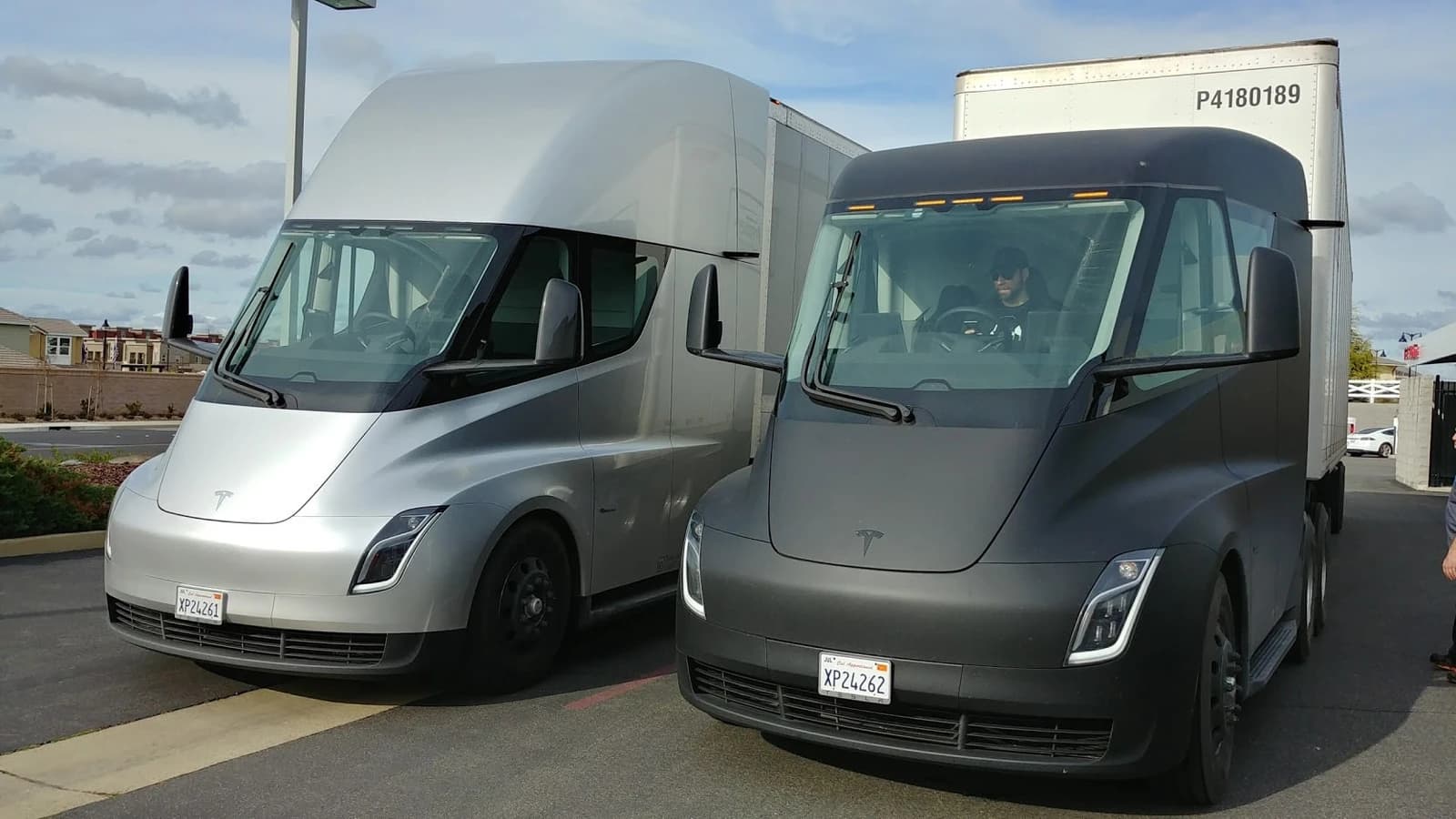
Tesla has begun delivering the Semi from its Nevada factory, moving the long-delayed electric truck from prototype to production as Elon Musk targets an eventual output of 50,000 units a year. The launch matters because heavy-duty trucking is one of the hardest and most expensive corners of the EV transition, and Tesla is trying to prove it can win on range, charging and operating costs before rivals lock up the market.
Tesla Semi Deliveries Begin in Nevada
The Semi’s arrival comes as global demand for zero-emission trucks is accelerating, but far from evenly. About 158,000 medium- and heavy-duty zero-emission vehicles were sold worldwide in the first half of 2026, up 75% from a year earlier, according to the data provided, with China accounting for roughly 145,000 of those sales — more than nine out of 10 globally.
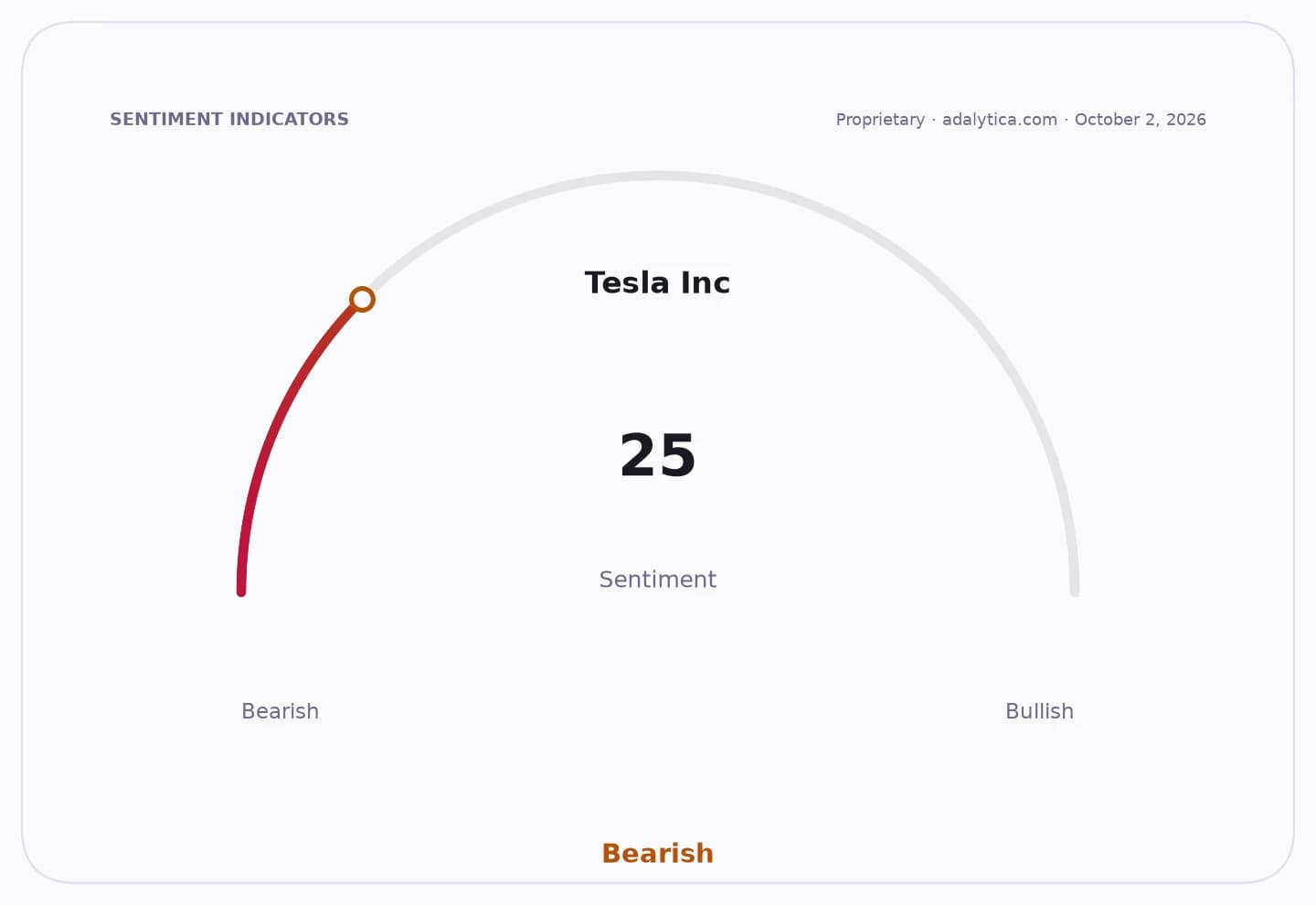
Sentiment IndicatorsⓘProprietary · adalytica.com · October 4, 2026
This is a snapshot — live sentiment, awareness and momentum for 130+ markets update continuously in the dashboard.Open AlphaPulse
That dominance underscores the scale of Tesla’s challenge. Europe is growing, but still trails badly: electric truck sales there rose just over 50% in the first half to a little more than 11,200 units, leaving the region with only a 5.5% share of the market. In the U.S., where Tesla now needs to turn the Semi into a genuine fleet product rather than an always-promised one, sales fell 63% in the first half and amounted to only a few hundred vehicles.
For investors, the Semi adds a new growth lever to a stock that has already been trading on expectations for autonomy, energy storage and artificial intelligence. Tesla shares recently changed hands at $370.59, above the 50-day moving average of $347.58 but below the 200-day average of $393.18, while RSI readings and MACD momentum suggest the stock is still volatile rather than in a clean trend.
The economics of the truck will be as important as the technology. Tesla says the longest-range version will exceed 500 miles, or about 800 kilometers, and the price is expected to come in just under $300,000 before incentives. That leaves buyers weighing a high upfront cost against lower running costs than a diesel truck, a trade-off that will determine whether the Semi becomes a niche showcase or a meaningful fleet product.
Charging infrastructure remains the main bottleneck. In Europe, fewer than 2.5% of heavy-truck rest areas were within a kilometer of a dedicated 350-kW charging station in June, highlighting why truck electrification has moved more slowly than passenger EVs. Tesla is building its own high-power charging network, but fleet adoption will still depend on route density, depot access and uptime.
The broader market setup is also competitive. Renault Trucks, Volvo, Mercedes-Benz and Scania already have a foothold in Europe, while Chinese manufacturers have a sizable industrial lead. Tesla’s next test is not whether a battery-powered semi can move freight, but whether it can do it at scale, quickly and cheaply enough to change purchasing decisions across logistics fleets.
Adalytica’s Tesla earnings sentiment snapshot shows fear at 25, with awareness neutral, suggesting investors are watching the Semi more as a long-dated execution story than an immediate earnings driver. The next catalyst is whether Tesla can sustain deliveries, expand capacity and prove the truck can compete on total cost of ownership, not just headline range.
| Entity | Gains | Losses |
|---|---|---|
| Tesla | ▲New growth avenue | ▼Execution risk |
| Fleet operators | ▲Lower fuel costs | ▼High upfront price |
| Chinese truck makers | ▲Market scale advantage | ▼Less room for rivals |
| Diesel truck makers | ▲Slower EV adoption | ▼Fuel displacement |