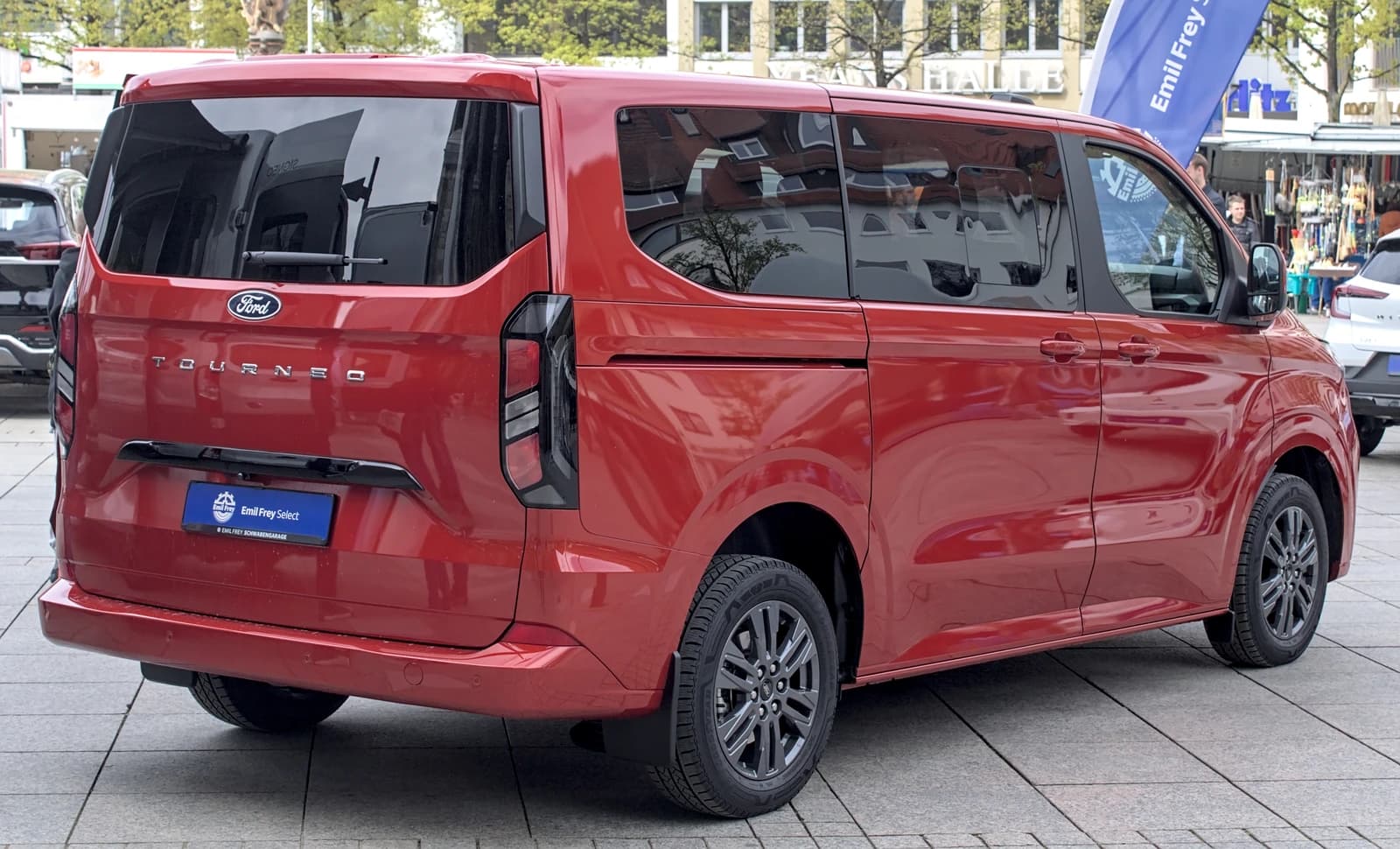
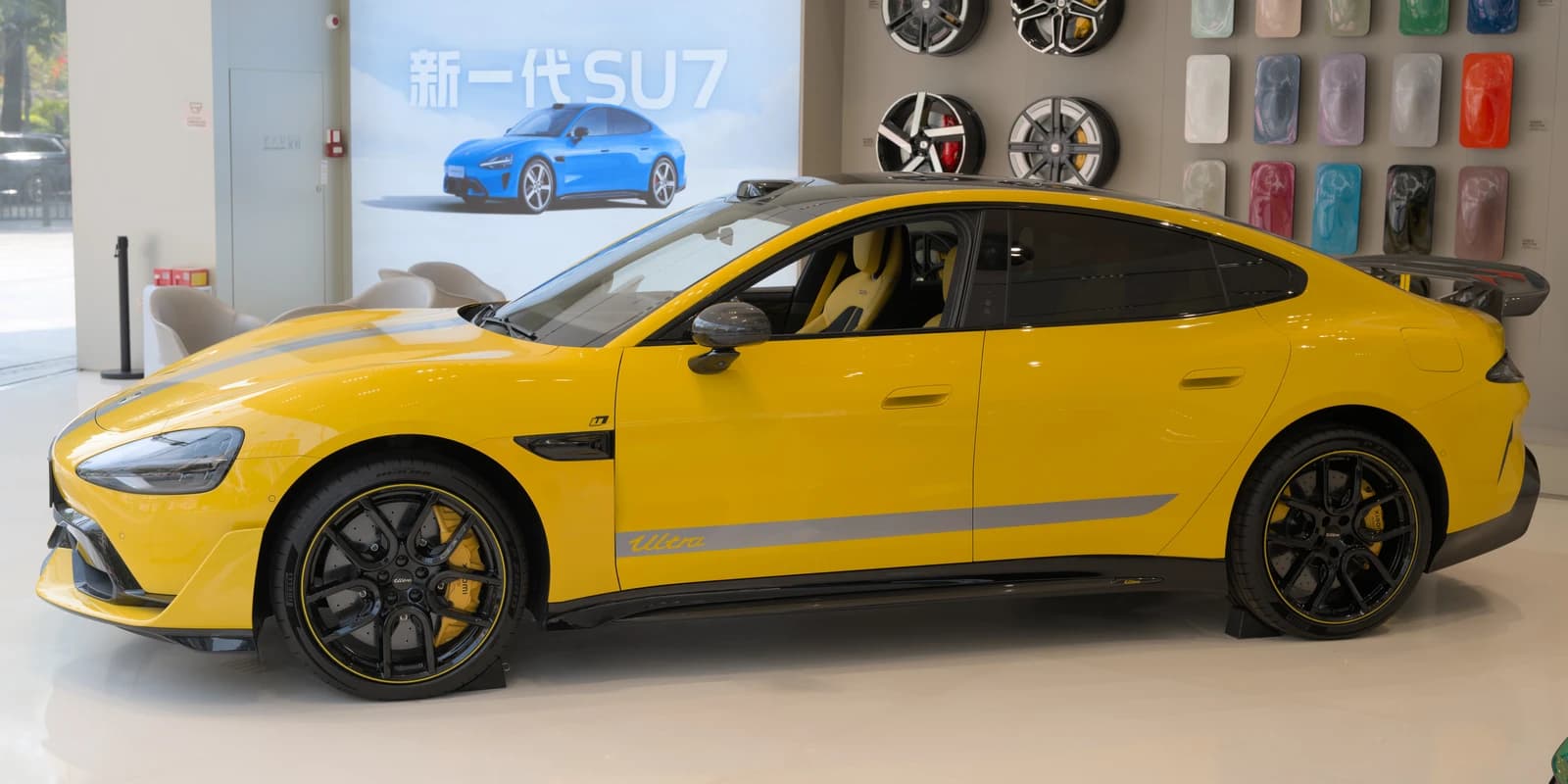
Ford is warning that Europe has already lost the race to Chinese electric vehicles, and the bigger risk for investors is that the same price war is now moving toward the U.S. market.
Ford warns on Chinese EV price war in Europe, U.S.
That matters because the shift is not just about one automaker’s product planning. It is about who captures the next decade of auto profits, where the industry’s capital spending goes, and which supply chains survive as Chinese manufacturers press their cost advantage across every major market. For incumbents, the threat is margin compression. For investors, it is a call to own the picks-and-shovels of electrification, not the most exposed assembly names.
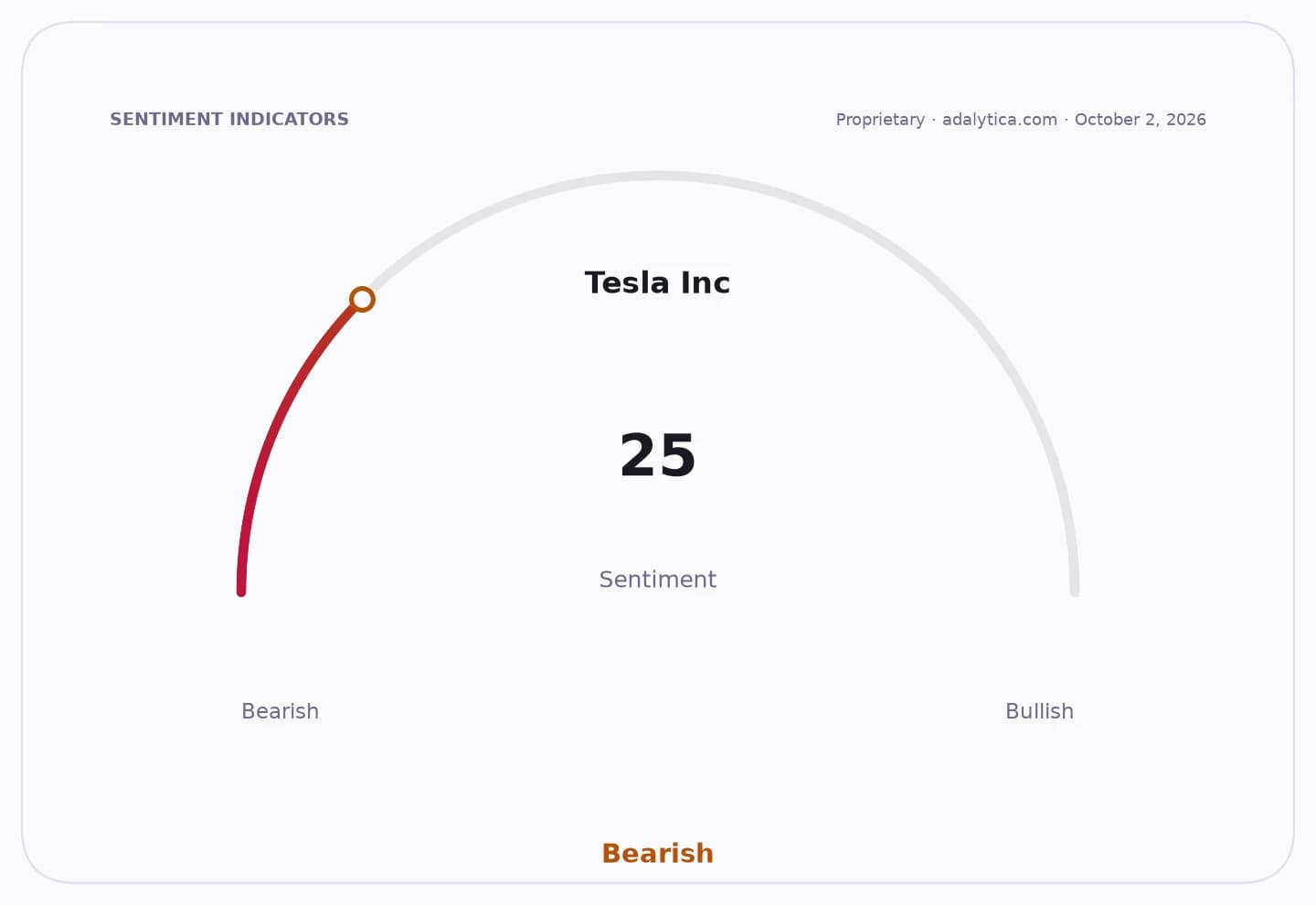
Sentiment IndicatorsⓘProprietary · adalytica.com · October 2, 2026
This is a snapshot — live sentiment, awareness and momentum for 130+ markets update continuously in the dashboard.Open AlphaPulse
Ford’s message lands as the global EV fight intensifies around affordability rather than prestige. Hyundai has already moved to broaden its electric SUV lineup with a rear-motor, rear-wheel-drive version aimed at mass-market scale, underscoring how even non-Chinese rivals are being forced into a lower-price strategy. That is a sign the industry is converging on the same conclusion: the winning formula is no longer premium branding, but cost discipline, battery sourcing and manufacturing efficiency.
The macro backdrop makes that more dangerous for legacy automakers. U.S. industrial production is forecast to edge up to 103.2504 in September from 103.0682 in August, while the ten-year Treasury yield is projected around 5.321%. That combination is a tough one for capital-intensive carmakers: higher financing costs slow demand, while still-elevated industrial activity keeps competition fierce and pricing pressure alive. In that environment, any company that has to discount to defend market share risks seeing returns on new EV investment get worse before they get better.
The market is already telling part of the story in the stocks. Ford has slid to about $12.10, below both its 50-day moving average of $13.75 and its 200-day moving average of $13.27, with RSI near 20, a level that reflects heavy technical damage after the recent selloff. Tesla, by contrast, has rebounded to about $370.59 and is sitting well below its 200-day moving average, but above its 50-day trend, showing investors are still willing to pay for scale and software optionality even as competition tightens. General Motors, at about $78.29, is also under pressure, trading below its 50-day average of $85.31 and its 200-day average of $80.37, which tells you the legacy auto group remains a capital-allocation story, not a momentum one.
The real investable takeaway is that Chinese EV pressure is pushing the industry into a bifurcation. Pure automakers face a brutal fight to defend margins. Suppliers tied to batteries, power electronics, charging, semiconductors and manufacturing automation get a longer runway, because every OEM now has to spend more just to compete. That is where I believe the asymmetric opportunity sits. The market underestimates how quickly the EV battle will turn into a procurement and infrastructure race.
Ford’s warning should be read as a global competitive reset, not a one-off cautionary comment. If Europe is already too late, the U.S. may simply be next — unless domestic and allied automakers can cut costs fast enough to match Chinese pricing without destroying profitability. Until that changes, the best way to play the trend is to own the enablers of the EV buildout and stay selective on the carmakers themselves.
| Entity | Gains | Losses |
|---|---|---|
| Chinese EV makers | ▲U.S./Europe expansion | ▼Legacy automaker margins |
| Ford, GM | ▲Defensive urgency | ▼Pricing power |
| Hyundai and peers | ▲Mass-market EV demand | ▼Premium EV strategies |
| Battery, chip, charging suppliers | ▲Higher capex spending | ▼Pure assembly exposure |