Ford is lowering prices on the 2027 Transit Custom plug-in hybrid and E-Transit Custom, a move that underscores how hard van makers are having to compete on cost as fleet buyers weigh electrification against tight budgets and uneven charging infrastructure.
Ford cuts Transit Custom van prices
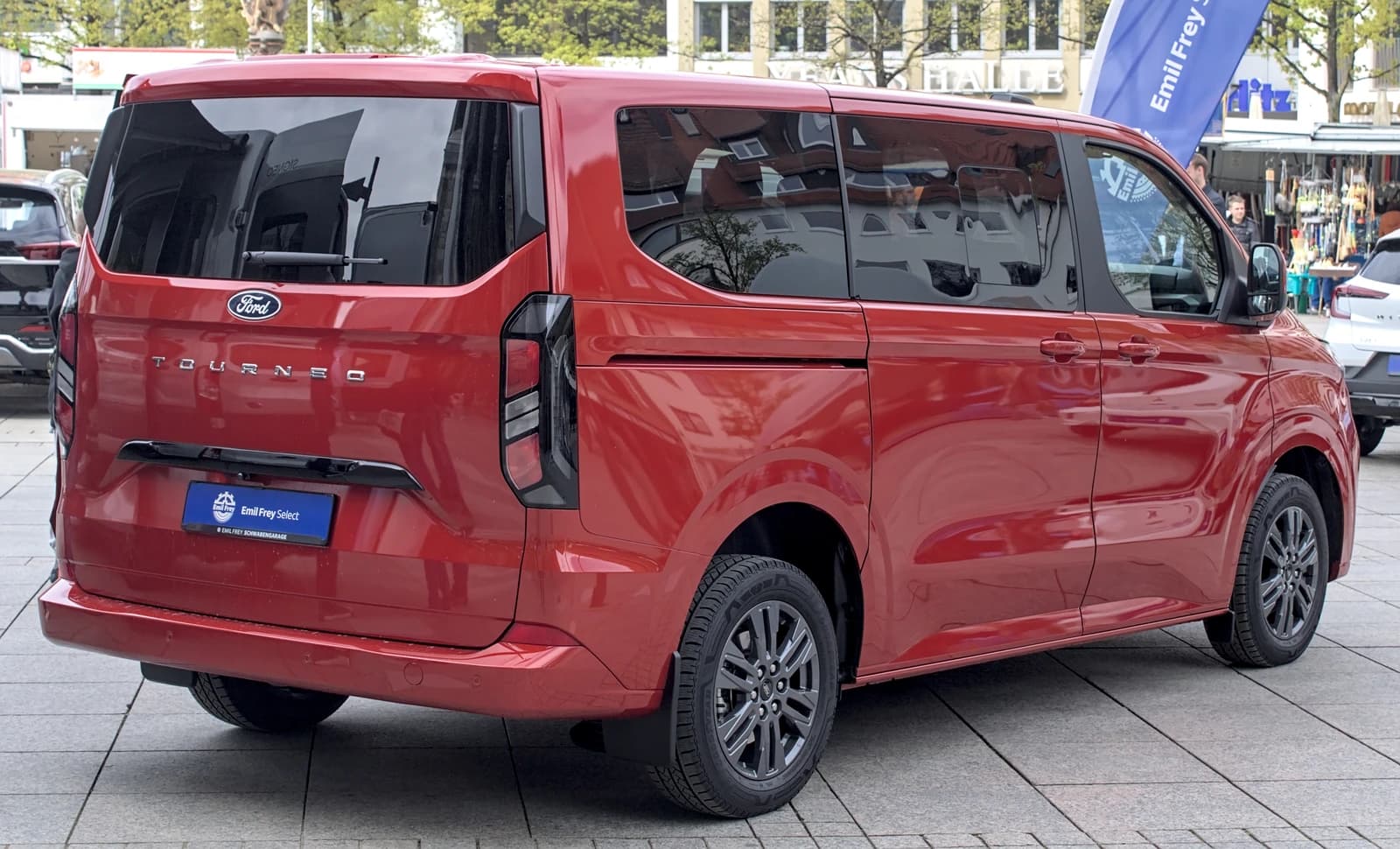
The price cuts matter because Ford Pro is one of the company’s most important profit engines, and commercial vans are a battleground where pricing can quickly shape fleet share, residual values and margin expectations. With investors already focused on Ford’s ability to defend profitability in its commercial business while funding its EV transition, even modest price repositioning can affect how the market reads demand for the company’s electrified lineup.
Sentiment IndicatorsⓘProprietary · adalytica.com · September 26, 2026
This is a snapshot — live sentiment, awareness and momentum for 130+ markets update continuously in the dashboard.Open AlphaPulse
Ford’s shares have been volatile this year, reflecting the tension between strong demand for trucks and commercial vehicles and pressure on EV economics. The stock most recently traded at $12.71, below its 50-day moving average of $13.93 and its 200-day average of $13.29, while RSI readings near 24 point to deeply oversold conditions by conventional technical measures.
General Motors, which also competes for fleet and commercial business, was last at $82.63, below its 50-day moving average of $85.27 but still above its 200-day average of $80.39. Stellantis, which has faced far heavier market pressure, was last at $4.60, well below both its 50-day and 200-day averages, showing how fragile sentiment remains across the auto sector.
The broader backdrop is a market where EV adoption is still growing, but pricing remains the lever that matters most. For Ford, cheaper Transit Custom variants may help keep order books moving and protect share, but they also reinforce a key investor concern: in commercial EVs, volume gains can come at the expense of margin.
The next catalyst is whether Ford uses the lower pricing to accelerate fleet adoption without sacrificing too much profitability, and whether rivals respond with their own discounts. That will help determine if the cut is a tactical sales push or the start of a wider reset in commercial EV pricing.
| Entity | Gains | Losses |
|---|---|---|
| Ford Pro | ▲Fleet demand support | ▼Near-term margins |
| Fleet buyers | ▲Lower purchase prices | ▼None |
| Rivals in commercial EVs | ▲Share pressure if they hold prices | ▼Pricing power |
| Ford investors | ▲Potential unit growth | ▼EV profitability concerns |