Mercedes-Benz said its electric GLC attracted more than 650 prospective buyers within 36 hours, an early sign that premium battery-powered SUVs can still command attention even as the broader EV market remains uneven.
Mercedes-Benz GLC draws 650 EV buyers in 36 hours
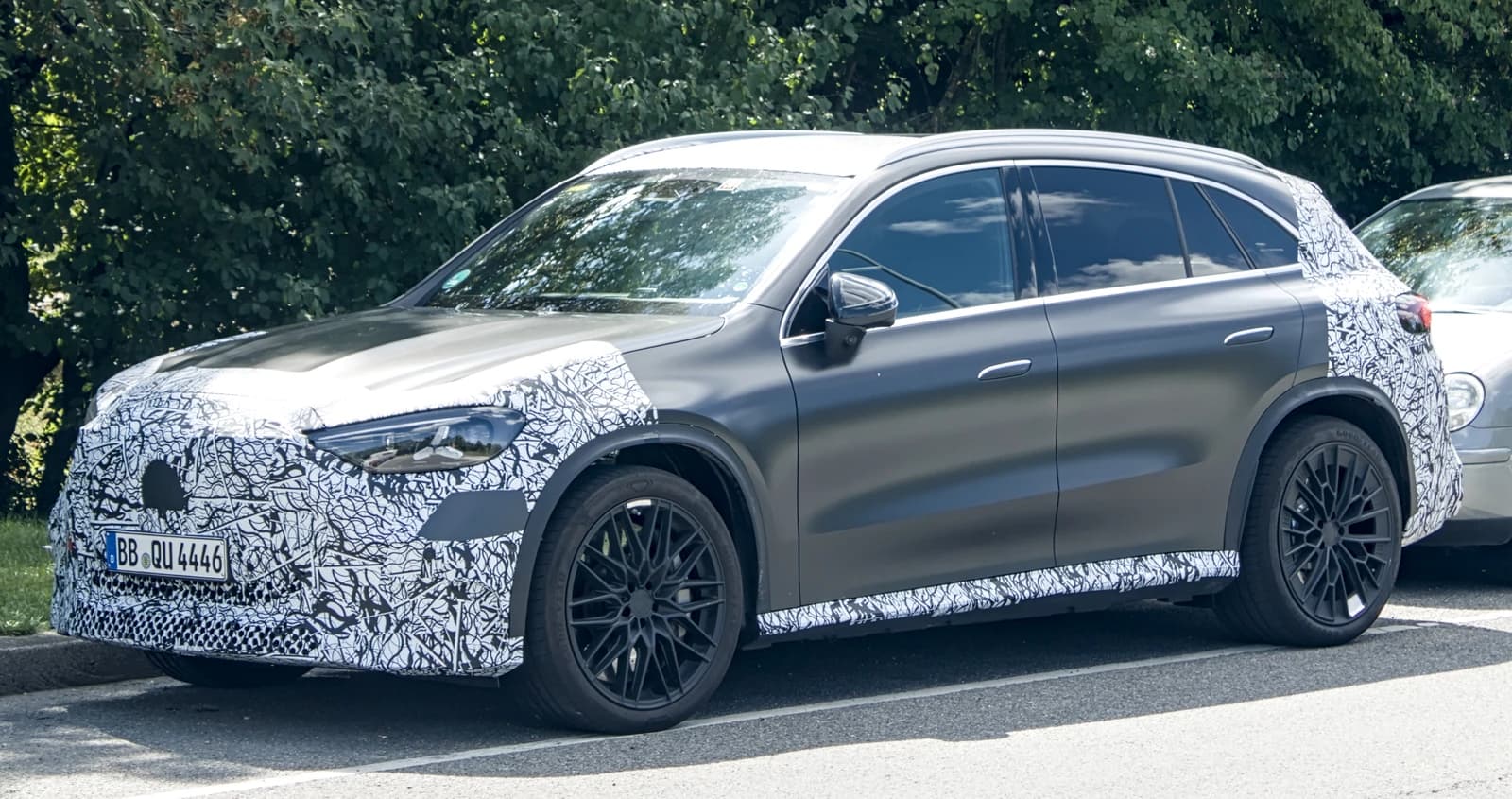
The response matters because luxury electric vehicles are where automakers can most easily defend pricing and margins. For Mercedes, a strong initial tally on a key model suggests there is still appetite for a well-positioned premium EV, especially in a segment where buyers are less sensitive to sticker shock than mainstream car shoppers and more focused on range, design and brand.
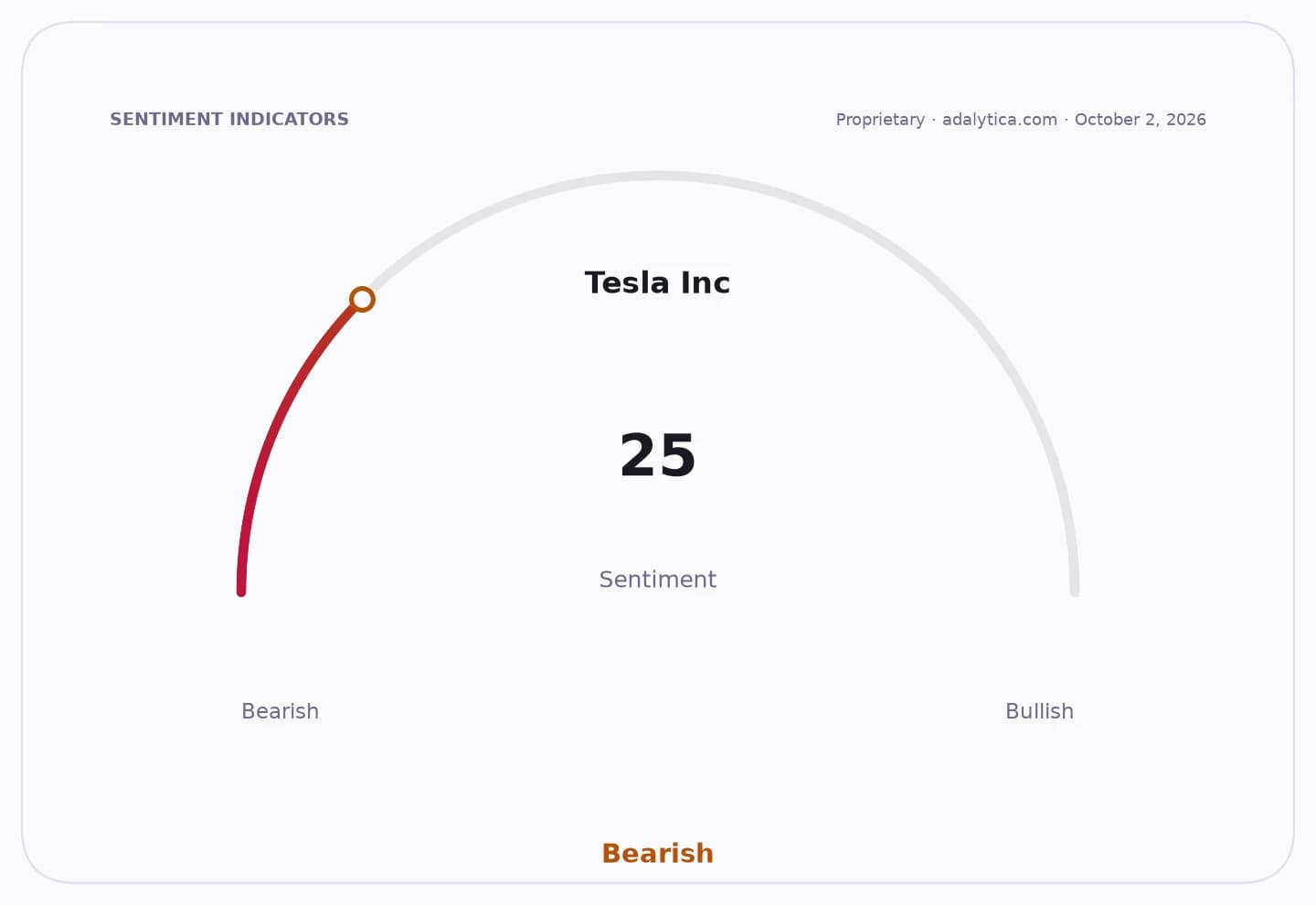
Sentiment IndicatorsⓘProprietary · adalytica.com · October 10, 2026
This is a snapshot — live sentiment, awareness and momentum for 130+ markets update continuously in the dashboard.Open AlphaPulse
That makes the GLC launch more than a marketing headline. Mercedes has spent heavily to electrify its lineup while trying to preserve the premium cachet that underpins profitability. A healthy burst of demand can help validate that strategy at a time when many carmakers are trimming EV expectations, shifting back toward hybrids, or leaning on lower-cost used EVs to capture demand. It also gives Mercedes a counterexample to the demand shortfalls that have pressured some battery-only models across the industry.
Investor interest is likely to center on whether the early enthusiasm can translate into sustained orders and deliveries, not just launch-week curiosity. The stock has been trading well below long-term chart resistance, with Mercedes-Benz Group’s U.S.-listed shares around $11.07 recently versus a 200-day moving average near $14.23, underscoring how much skepticism still surrounds European autos. Technical readings on the shares remain weak, with the relative strength index still near oversold territory, reflecting broader caution about earnings momentum and the EV transition.
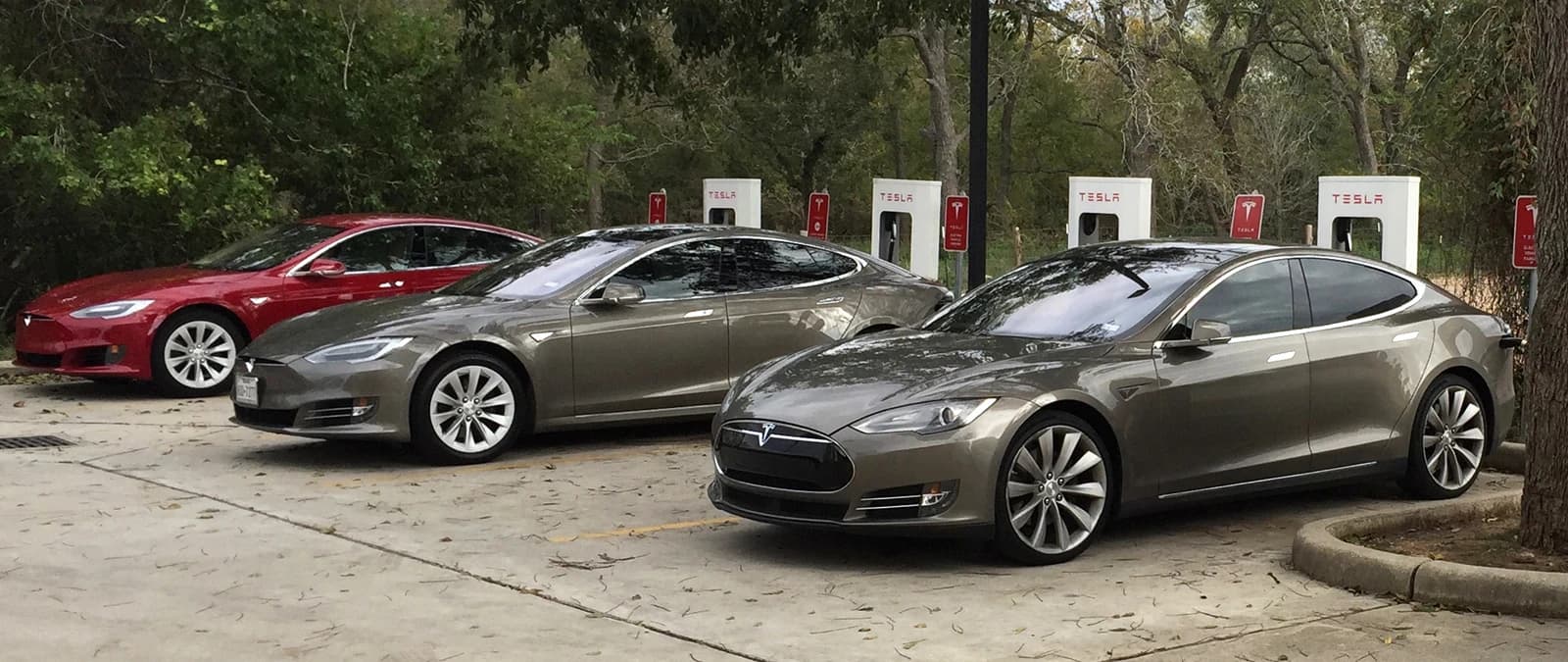
The bigger narrative is that the EV market is not dead so much as sorting itself into winners and losers. Premium nameplates with strong branding may keep finding buyers, while mass-market EVs and weaker models face tougher economics. Mercedes will now need to prove that the GLC’s first-wave interest holds up against production timing, pricing discipline and competition from Tesla and other luxury EV rivals. For investors, the key question is whether this is the start of a durable demand rebound or simply a promising opening for one model in a still-fragile market.
| Entity | Gains | Losses |
|---|---|---|
| Mercedes-Benz | ▲Early EV demand validation | ▼Skeptics of its EV strategy |
| Premium EV buyers | ▲More choice | ▼Lower prices on existing stock |
| Tesla and rivals | ▲Benchmark on luxury demand | ▼Share if GLC momentum holds |
| Mainstream EV makers | ▲Less direct impact | ▼Pressure if premium demand outperforms |