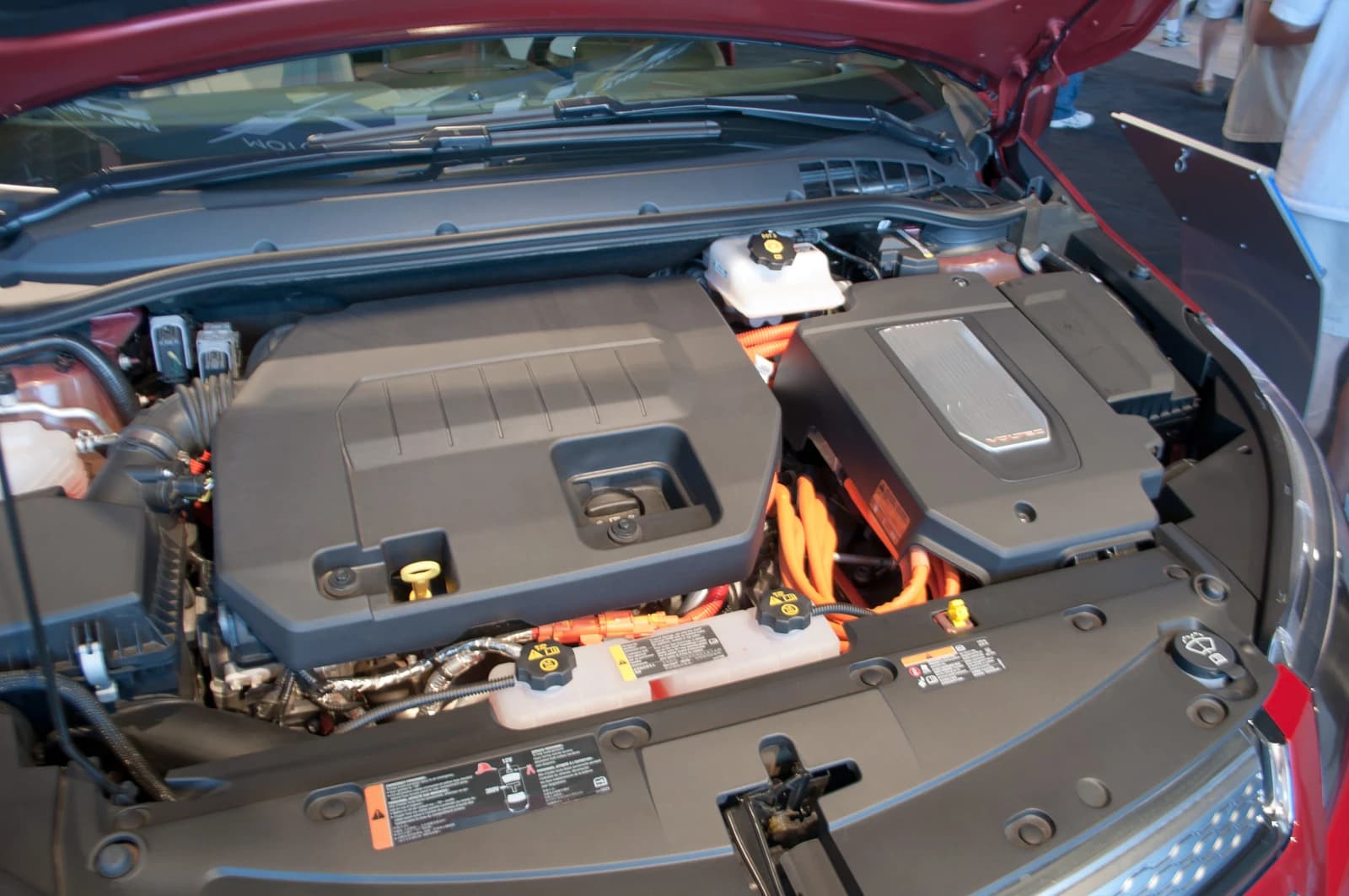
BMW is signaling that its most important performance badge will survive the EV transition — and that matters because the company is trying to protect one of its highest-margin brands while widening its electric lineup for the next decade.
BMW plans electric M3 alongside gasoline version
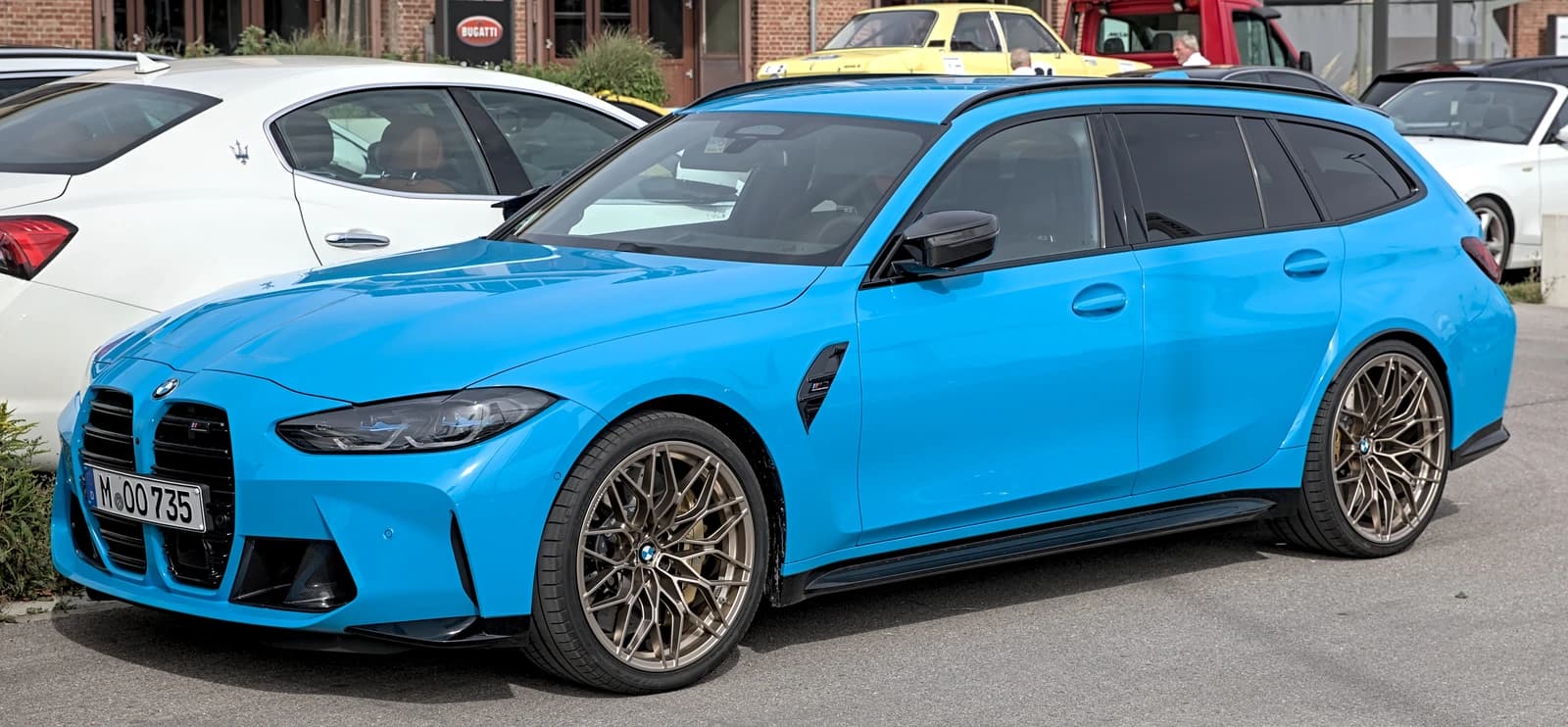
The German automaker said an electric M3 is planned for 2028 and will be sold alongside a gasoline version, a rare dual-powertrain strategy that gives BMW flexibility as demand for battery cars remains uneven and performance buyers are still attached to combustion. For investors, that is the key takeaway: BMW is not betting the M franchise on a clean break with gas, but on a staged transition that can preserve pricing power, volume and brand loyalty through the industry’s most disruptive shift in decades.
Sentiment IndicatorsⓘProprietary · adalytica.com · October 6, 2026
This is a snapshot — live sentiment, awareness and momentum for 130+ markets update continuously in the dashboard.Open AlphaPulse
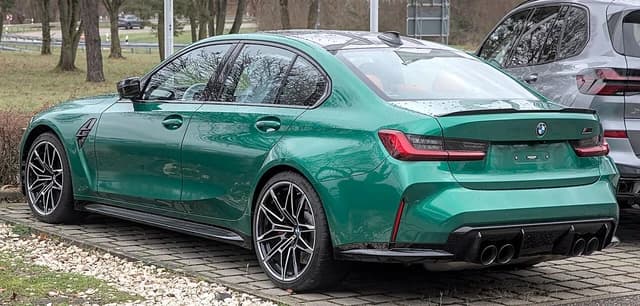
That approach is economically important because performance models like the M3 carry far better margins and far stronger brand pull than mass-market vehicles. BMW’s decision to keep a gasoline M3 in the lineup suggests it wants to avoid alienating core enthusiasts while it builds credibility in electric performance, a segment where rivals are also fighting for mindshare. In a market still wrestling with charging infrastructure, range anxiety and slower-than-expected EV adoption, that kind of optionality is worth real money.
The move also fits a broader pattern in the auto sector: legacy premium brands are increasingly using their most iconic nameplates as bridges into electrification rather than forcing abrupt replacement. That lowers execution risk, buys time for battery economics to improve and keeps the showroom traffic coming. The market often underestimates how valuable that transition period can be for premium OEMs, especially when buyers are willing to pay up for heritage, design and driving character.
BMW shares traded in line with a sector that has been hammered by growth worries, and the technical picture reflects that stress. Mercedes-Benz Group’s U.S.-listed shares have fallen sharply below both their 50-day and 200-day moving averages, while BMW’s U.S.-listed shares have also been crushed, with RSI readings deep in oversold territory. Those conventional technical indicators don’t change the fundamental thesis, but they do show how much skepticism is already priced in.
That is exactly why the electric M3 matters to investors. The market is not paying up for BMW’s EV optionality, yet the company is positioning one of its most valuable badges for the next era of demand. If the electric M3 lands with strong performance and the gas version remains a draw, BMW can monetize both ends of the transition instead of being forced into a winner-take-all EV gamble.
The broader investment story is bigger than one model. The real opportunity lies in the ecosystem around premium electrification — battery suppliers, thermal management, power electronics, charging infrastructure and software-defined vehicle components. BMW’s strategy suggests the next leg of auto value creation will not come from abandoning heritage overnight, but from using brand equity to slow the destruction of pricing power while the industry retools.
For now, the headline is simple: BMW is keeping the M3 name alive in both combustion and electric form, and that is the kind of disciplined transition the market tends to reward only after it becomes obvious. I believe investors should view this as an early signal that premium automakers with real brand moats can navigate electrification better than the market expects, and that the best way to play it may be through the infrastructure and component suppliers enabling that shift, not just the automakers themselves.
| Entity | Gains | Losses |
|---|---|---|
| BMW | ▲preserves M3 pricing power | ▼faces higher transition complexity |
| Performance buyers | ▲keep gasoline choice | ▼get slower EV-only shift |
| EV suppliers | ▲gain long-term demand | ▼lose if adoption stays gradual |
| Pure-play EV rivals | ▲benefit from category growth | ▼face tougher brand competition |