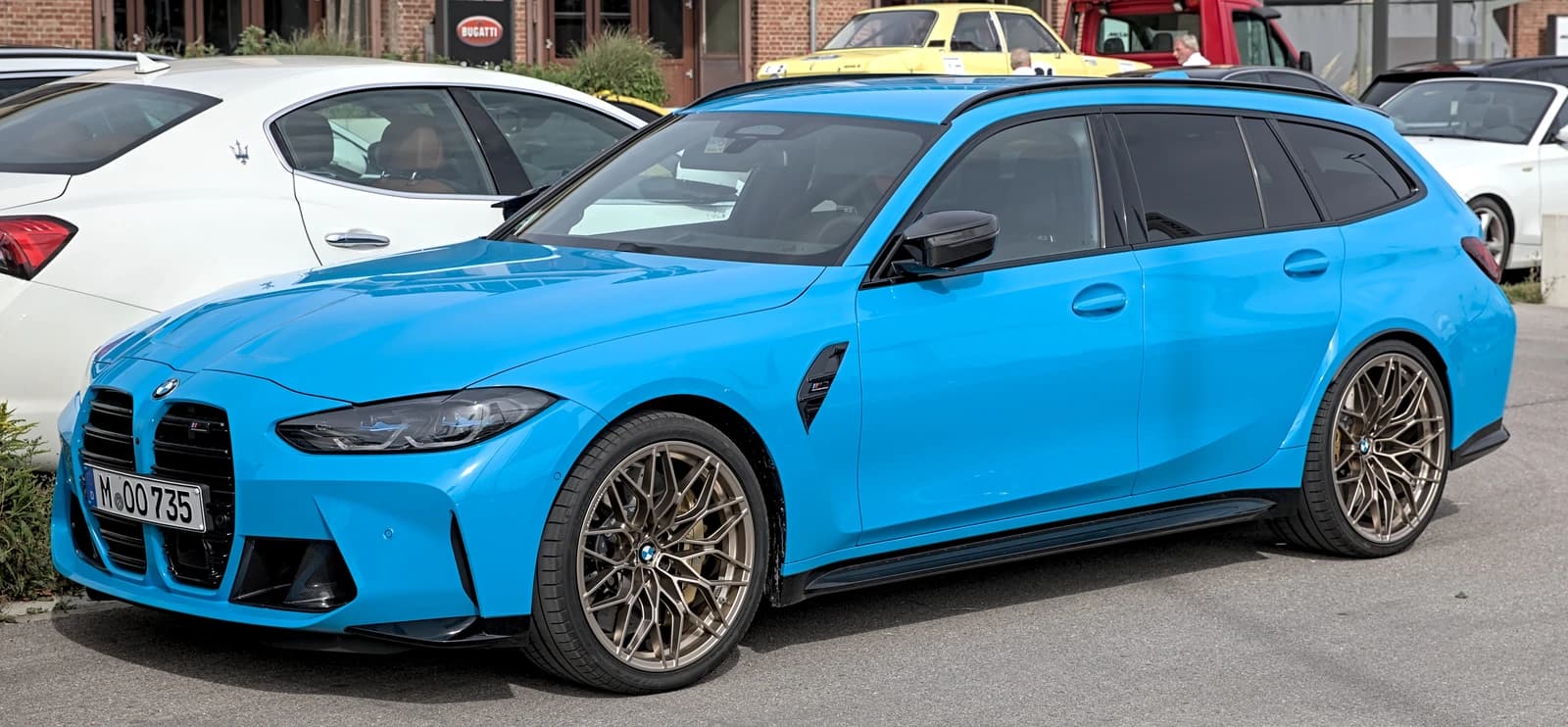
BMW is pushing its Neue Klasse electric-car technology into the compact segment, a move that could widen the automaker’s addressable market in Europe and sharpen pressure on rivals already fighting a brutal price war in battery-powered cars.
BMW Neue Klasse compact EV due in 2028
The German luxury brand said the new fully electric entry-level model is due in 2028 and will be aimed squarely at Europe, with its next-generation electric drivetrain and electronics architecture carried over from the larger, pricier Neue Klasse models. BMW has not disclosed the name or specifications yet, but the strategic message is clear: the company wants to make its newest EV platform do more than power premium SUVs and sedans.
Sentiment IndicatorsⓘProprietary · adalytica.com · October 6, 2026
This is a snapshot — live sentiment, awareness and momentum for 130+ markets update continuously in the dashboard.Open AlphaPulse
That matters because the real battle in EVs is no longer just about who can build the fanciest flagship. It is about who can spread expensive battery and software development across enough models to make the economics work. By taking Neue Klasse technology down into compact cars, BMW is trying to protect margins while meeting customer demand for lower-priced EVs, especially in Europe, where affordability and regulatory compliance still drive buying decisions.
The timing is important too. BMW said the car will help lower average fleet emissions in the EU, underlining how regulation continues to shape product strategy across the industry. For investors, that makes this more than another model announcement. It is a sign BMW is planning for a broader EV portfolio that can support volume growth without relying only on high-end vehicles, where competition is intense and pricing power can be fickle.
The company’s strategy also fits with its wider electric push, including Mini’s all-electric lineup and the rollout of Neue Klasse hardware across its core range. That should help BMW defend share against mass-market EV makers that have leaned on lower prices to win buyers, while giving the automaker a chance to keep its brand premium even as it moves further downmarket.
For long-term investors, the key question is execution. BMW still has to prove it can deliver a cheaper EV without diluting its margins or its reputation for quality. But if it succeeds, the company could end up with something valuable: a scalable electric platform that works across price points, geographies and regulatory cycles. That is the kind of setup that can compound over years, not quarters, and it is worth watching closely.
| Entity | Gains | Losses |
|---|---|---|
| BMW | ▲Broader EV lineup, EU emissions support | ▼Near-term pricing pressure |
| European buyers | ▲Lower-cost premium EV option | ▼Fewer cheap alternatives if rivals respond |
| Rival EV makers | ▲— | ▼More competition in compact EVs |
| Long-term investors | ▲Scalable platform potential | ▼Margin risk if rollout disappoints |