A publicly owned supermarket promising to cut grocery bills by 30% would have to price below Australia’s cheapest major grocer, a hurdle that makes the political pitch look far less credible and keeps the market’s focus on the incumbent chains’ structural cost advantage.
Woolworths, Coles Face Public Supermarket Plan
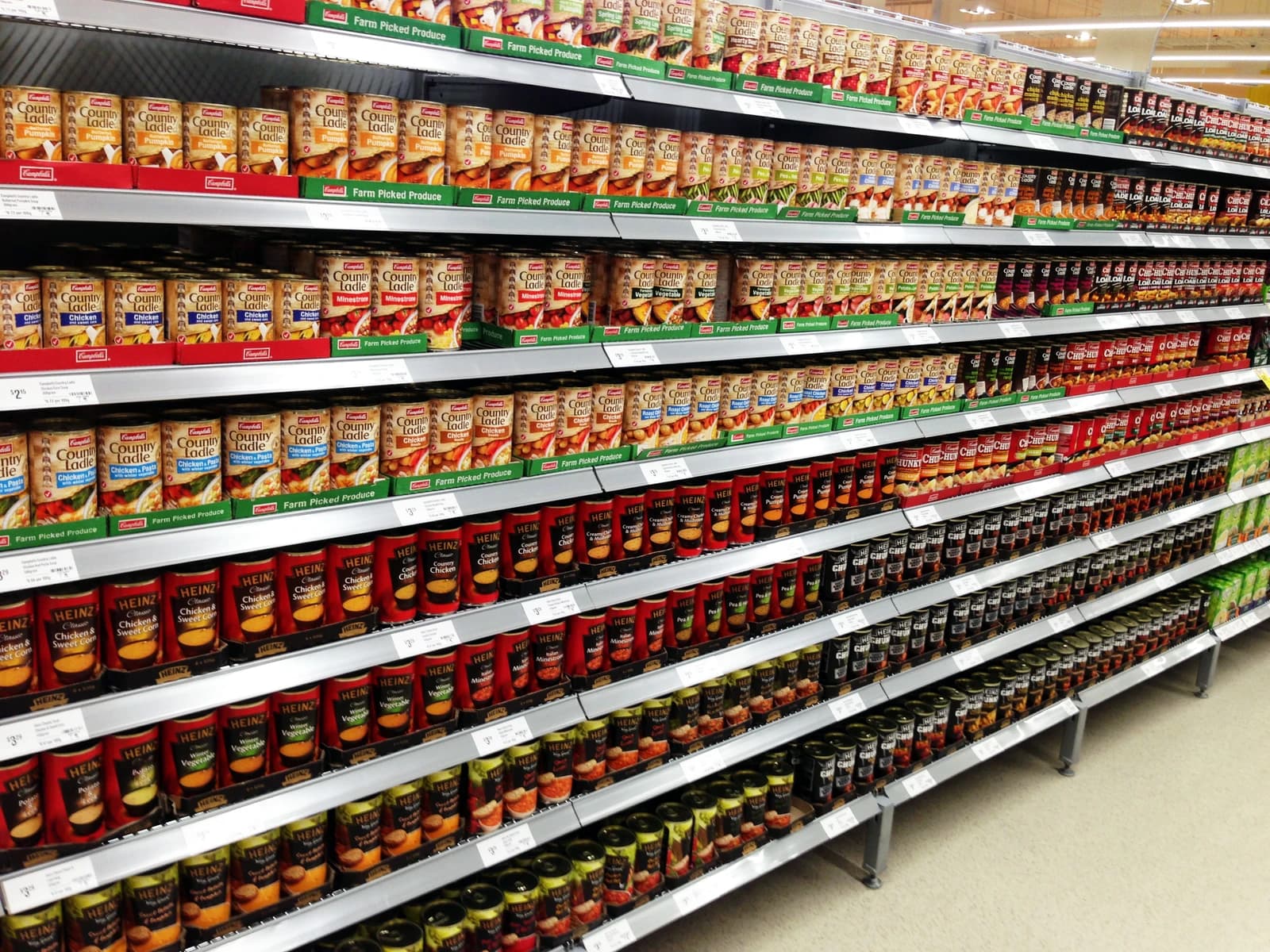
That matters because Australian food retail is not a contest of slogans, but of scale, logistics and margin discipline. A 30% discount would imply a new entrant operating at a loss, or a taxpayer-backed strategy that directly distorts competition. Either way, the economics are brutal: a supermarket business cannot sustainably undercut the lowest-price operator by that margin without either extraordinary subsidies, forced supplier concessions or a willingness to destroy profitability. That is why experts are already calling the plan unrealistic.
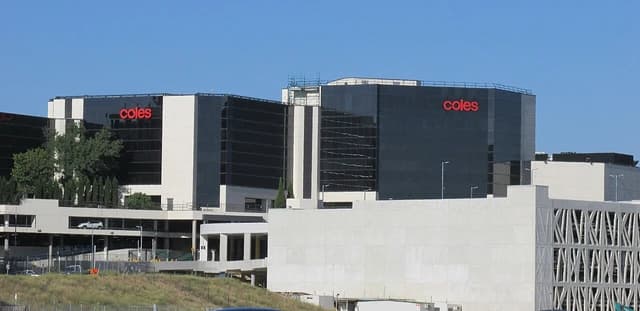
For investors, the key takeaway is not that grocery pricing pressure disappears, but that the incumbent duopoly still has the stronger hand. Woolworths and Coles dominate the channels that matter most in Australian food retail, with supply chain depth, distribution leverage and brand recognition that would be very hard for a government-backed rival to replicate. Wesfarmers, through its ownership of discount-focused retail assets and broader exposure to consumer spending, also sits in the orbit of any policy that tries to force lower household grocery bills. The market has to price the risk of political noise, but it should not confuse that with a viable competitive threat.
The share-price action underscores how investors are already weighing those dynamics. Wesfarmers has traded back near the mid-to-high 70s after swinging sharply lower and then recovering above its 50-day moving average, while Woolworths has stabilized in the high 30s after a stronger run earlier in the year. Coles has held closer to its 200-day moving average, suggesting the market sees defensive earnings quality but not a clear re-rating catalyst. None of that looks like a sector in imminent disruption from a state-owned entrant. If anything, the technical picture suggests the market is still treating the big listed grocers as resilient cash generators, not vulnerable incumbents.
The deeper narrative is that grocery pain is real, but the solution being floated is economically thin. A publicly owned chain would not just need to match incumbents on price; it would need to do so while building stores, funding distribution, paying staff and absorbing spoilage, shrink and freight costs. That is why the most likely outcome is not a 30% cheaper basket, but a political debate that pressures suppliers, margins and public expectations without fundamentally changing the sector’s structure.
For long-term investors, that reinforces a simple thesis: the real opportunity is not in betting on a radical supermarket reset, but in owning the operators with scale, buying power and operating leverage. Unless policymakers are prepared to subsidize losses indefinitely, Australia’s supermarket economics still belong to the incumbents. The smart money should position for political noise, not a credible price war.
| Entity | Gains | Losses |
|---|---|---|
| Woolworths (WOW.AX) | ▲defends scale advantage | ▼policy headline risk |
| Coles (COL.AX) | ▲incumbent pricing power | ▼public scrutiny on margins |
| Wesfarmers (WES.AX) | ▲resilient retail footprint | ▼consumer-cost politics |
| Publicly owned entrant | ▲political optics | ▼economic viability |