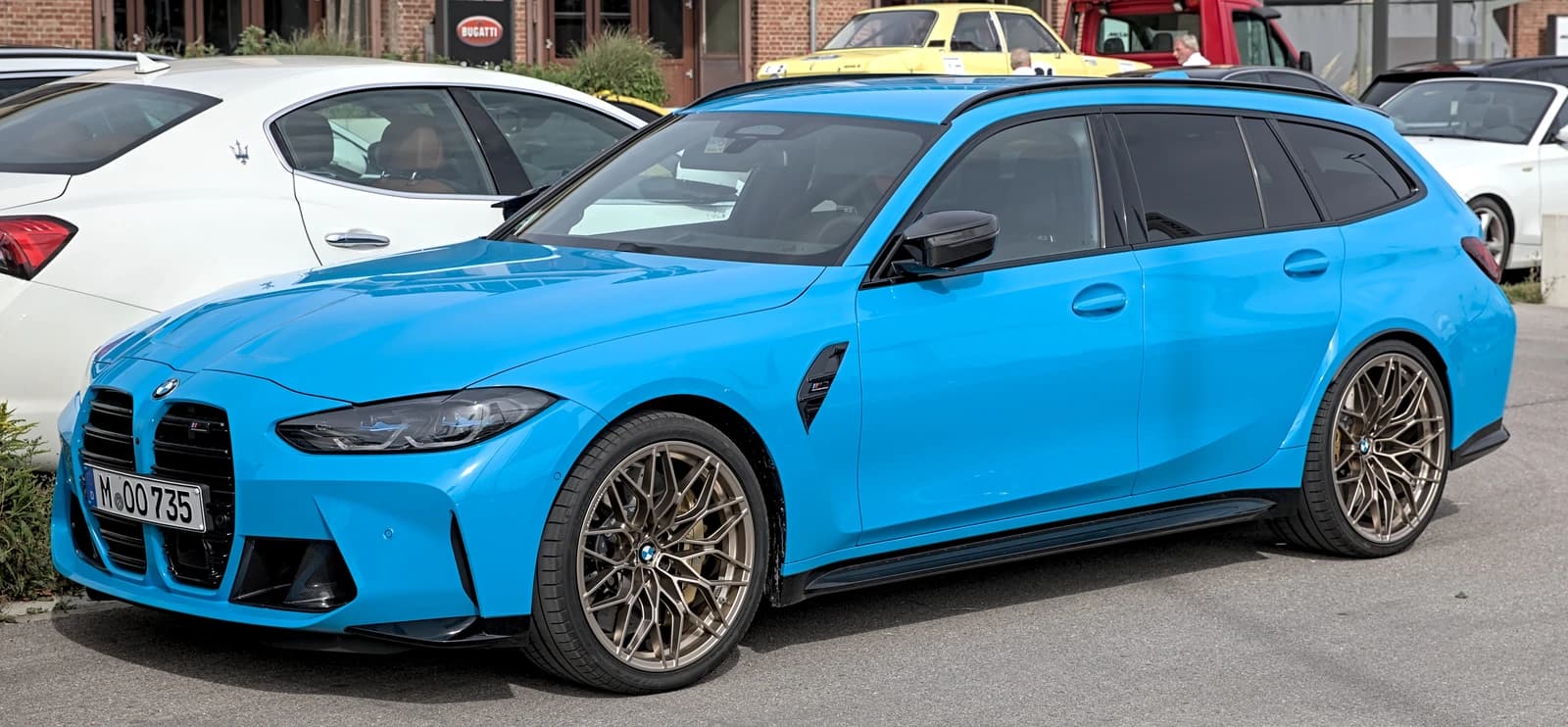
BMW’s next 3 Series is turning into more than a routine model refresh: it is a clear sign that premium automakers now have to compete on carbon footprint as well as horsepower. For long-term investors, that matters because the future winners in autos may be the companies that can cut emissions without sacrificing margin, performance or brand appeal.
BMW 3 Series and i3 cut supply-chain emissions
BMW says the new generation of its 3 Series and i3 will be built with a sharper focus on the full life cycle of the car, from suppliers to assembly to recycling. The company says the measures taken during development cut supply-chain CO₂e emissions by about 37% for the battery-electric i3 and 30% for the combustion-engine 3 Series. That is not just an environmental talking point; it is evidence that industrial decarbonization is moving deeper into the manufacturing process, where it can affect costs, sourcing decisions and regulatory readiness.
Sentiment IndicatorsⓘProprietary · adalytica.com · October 2, 2026
This is a snapshot — live sentiment, awareness and momentum for 130+ markets update continuously in the dashboard.Open AlphaPulse
The recycled-content numbers are meaningful, too. BMW says the hood uses about 70% recycled aluminum, while secondary materials make up about 31% of the i3 50 xDrive and roughly 25% of the combustion version. The Gen6 battery cells also use secondary materials for part of the cobalt, lithium and nickel supply chain and rely on renewable energy in several production steps. In other words, BMW is trying to reduce exposure to both carbon-intensive inputs and more volatile raw-material markets.
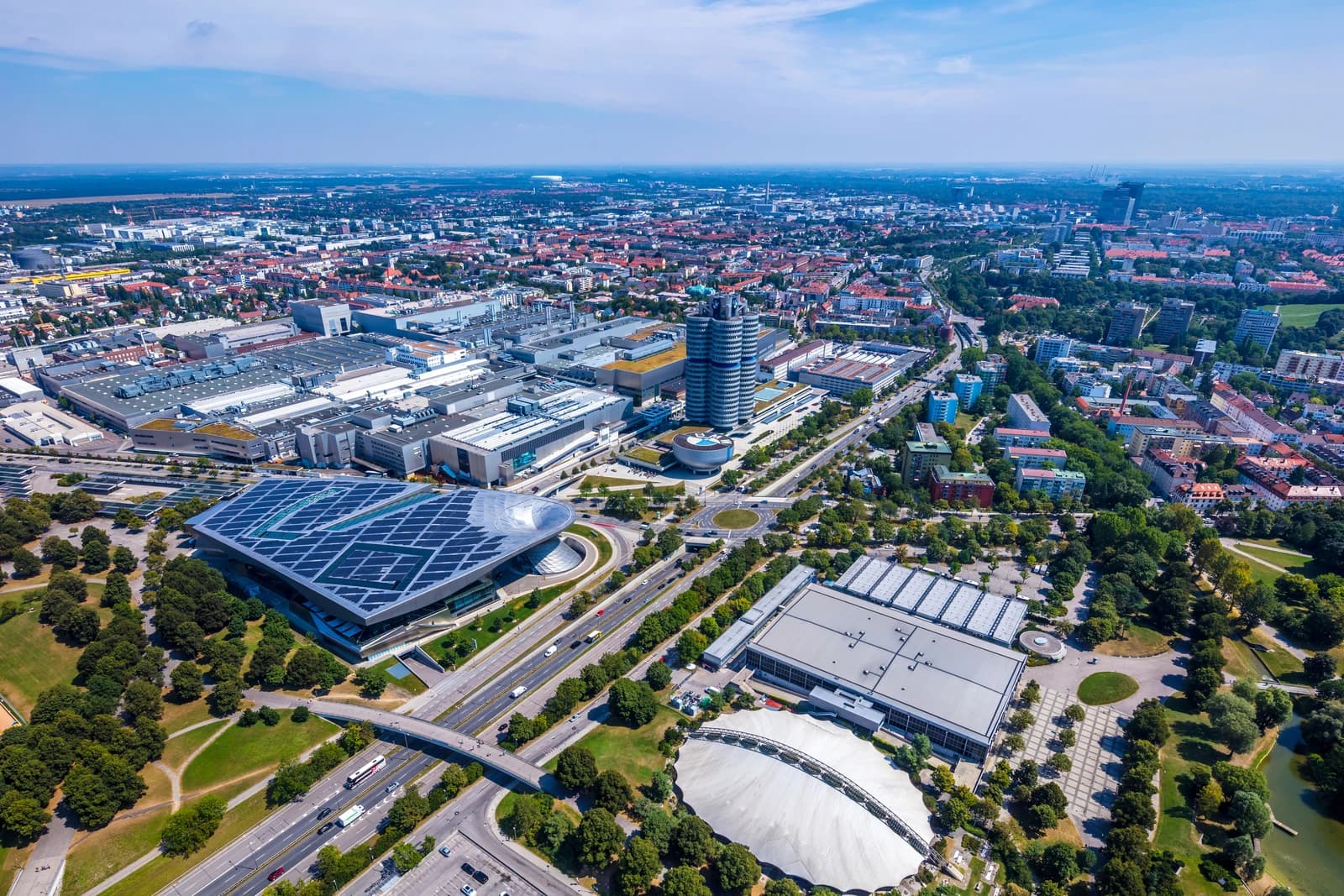
That is important economically because automakers are under pressure from multiple directions at once. They need to electrify, but they also need to protect profit margins in a business where batteries, metals and logistics can quickly erode returns. BMW’s decision to cluster production around Bavarian plants in Dingolfing, Landshut, Irlbach-Straßkirchen and Munich is a practical answer to that problem: shorter transport routes, more local sourcing and lower energy intensity can all help reduce complexity and emissions at the same time.
The company’s new battery plant at Irlbach-Straßkirchen, due to supply Gen6 batteries from October 2026, underscores how central manufacturing control has become in the EV race. BMW says the site will run on renewable electricity only, will not need water for battery assembly and will move components to Munich by electric trucks. For investors, that suggests BMW is building more than a car line — it is building a more resilient industrial system around it.
There is also a branding advantage here. BMW plans to publish a TÜV-validated Product Carbon Footprint for the 3 Series, giving buyers and fleet customers clearer visibility into life-cycle emissions. As regulations tighten and corporate buyers face their own sustainability targets, that kind of transparency could become a competitive feature rather than a compliance burden.
The stock-market angle is straightforward: automakers that can cut emissions while keeping premium positioning intact are better placed to defend pricing power over the long run. BMW’s shares have been volatile, like much of the global auto sector, but the strategic message is constructive. The company is showing that the transition to cleaner manufacturing does not have to mean surrendering the core sedan business.
For investors, the big takeaway is that BMW is treating sustainability as an operating lever, not just a marketing claim. That is the sort of discipline that can compound over years, especially if it helps preserve margins, improve supply-chain efficiency and keep the brand relevant as the auto industry shifts. Worth watching for long-term portfolios.
| Entity | Gains | Losses |
|---|---|---|
| BMW | ▲lower emissions, stronger brand | ▼higher transition costs |
| Buyers and fleet customers | ▲clearer carbon data | ▼fewer diesel choices |
| Suppliers using recycled inputs | ▲new demand for materials | ▼pressure to decarbonize |
| Legacy diesel rivals | ▲none | ▼less room in premium sedans |