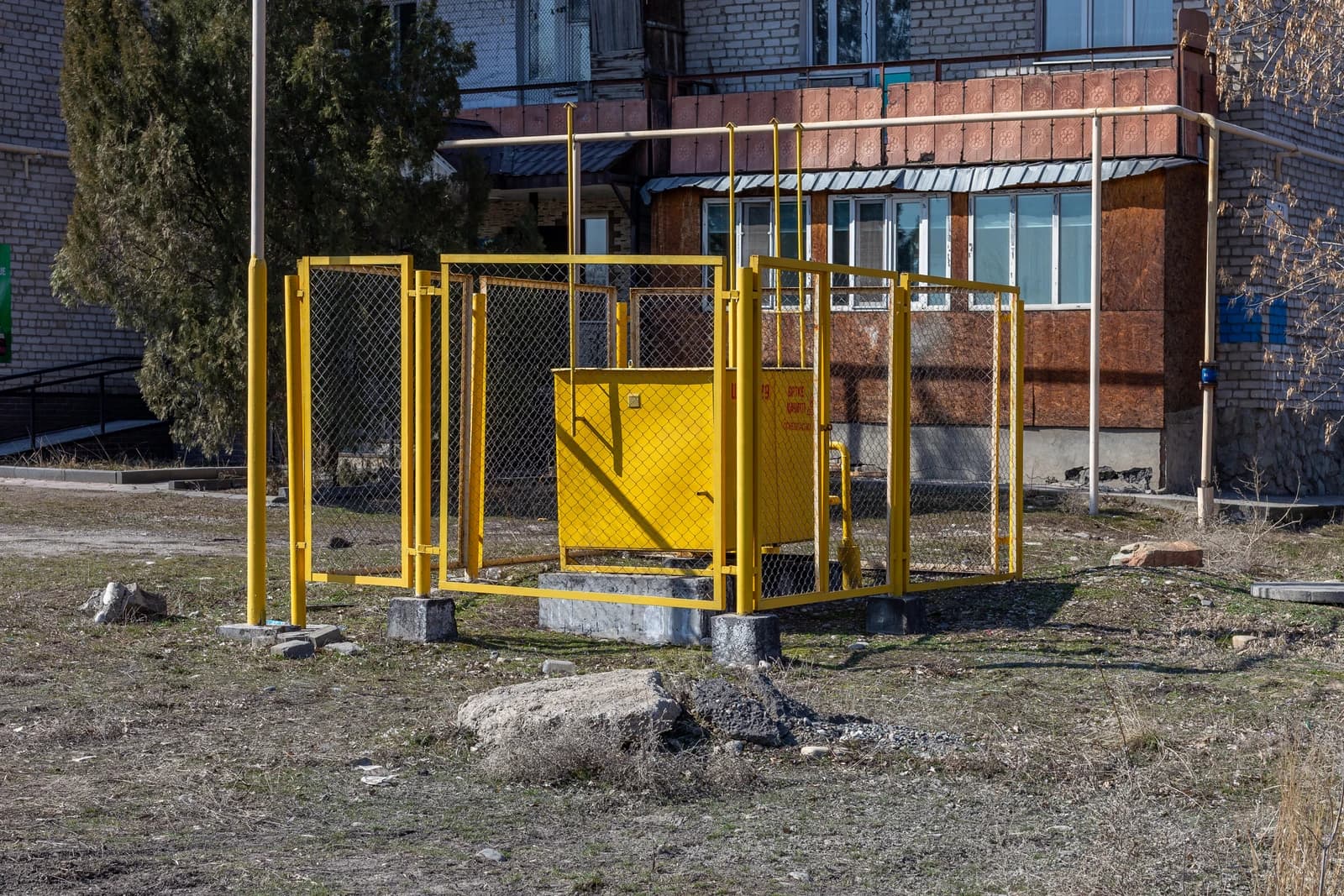
Tashkent will temporarily cut natural gas to five districts on Oct. 7 as authorities prepare the city’s pipeline system for the 2026-2027 autumn-winter heating season, affecting homes and a cluster of industrial and commercial users during a 10-hour maintenance window.
Tashkent plans 10-hour gas cut in five districts
The shutdown runs from 10:00 to 19:00 local time and covers parts of Uchtepa and Chilanzar, the Choshtepa neighborhood in Yangihayot and Sergeli, and 13 large consumers in Shaykhantakhur, according to Hududgaz poytaxt. Among the sites affected are gas stations, cafes, hotels, the Veolia heating center and the GUPNPO Patron plant.
Sentiment IndicatorsⓘProprietary · adalytica.com · October 8, 2026
This is a snapshot — live sentiment, awareness and momentum for 130+ markets update continuously in the dashboard.Open AlphaPulse
The move matters economically because even short planned outages can disrupt fuel supply to transport, heating and small business activity in the capital, while highlighting the burden of seasonal grid maintenance on urban energy systems. For industrial users, any interruption raises the risk of lost output, rescheduled operations and higher short-term operating costs if they have to switch to alternative fuels.
For investors watching the broader natural gas market, the impact is more local than structural, but it underscores steady seasonal demand management in Central Asia ahead of winter. U.S. natural gas futures, meanwhile, are trading around $3.28, with the 50-day moving average near $2.88 and RSI readings at 65.3, suggesting the contract remains firmer after recent volatility.
The district-level outage is a reminder that gas distribution reliability remains a key issue for utilities, municipal services and industrial consumers in Tashkent as Uzbekistan enters the heating season. Supply is expected to resume after the maintenance work is completed.
| Entity | Gains | Losses |
|---|---|---|
| Hududgaz poytaxt | ▲Network maintenance progress | ▼Short-term public inconvenience |
| Tashkent utility system | ▲Winter preparedness | ▼Immediate gas availability |
| Households and businesses with gas access elsewhere | ▲Fewer system disruptions later | ▼Temporary supply loss in affected zones |
| Industrial and commercial users in the five districts | ▲Potentially better winter reliability | ▼Lost operating time during outage |