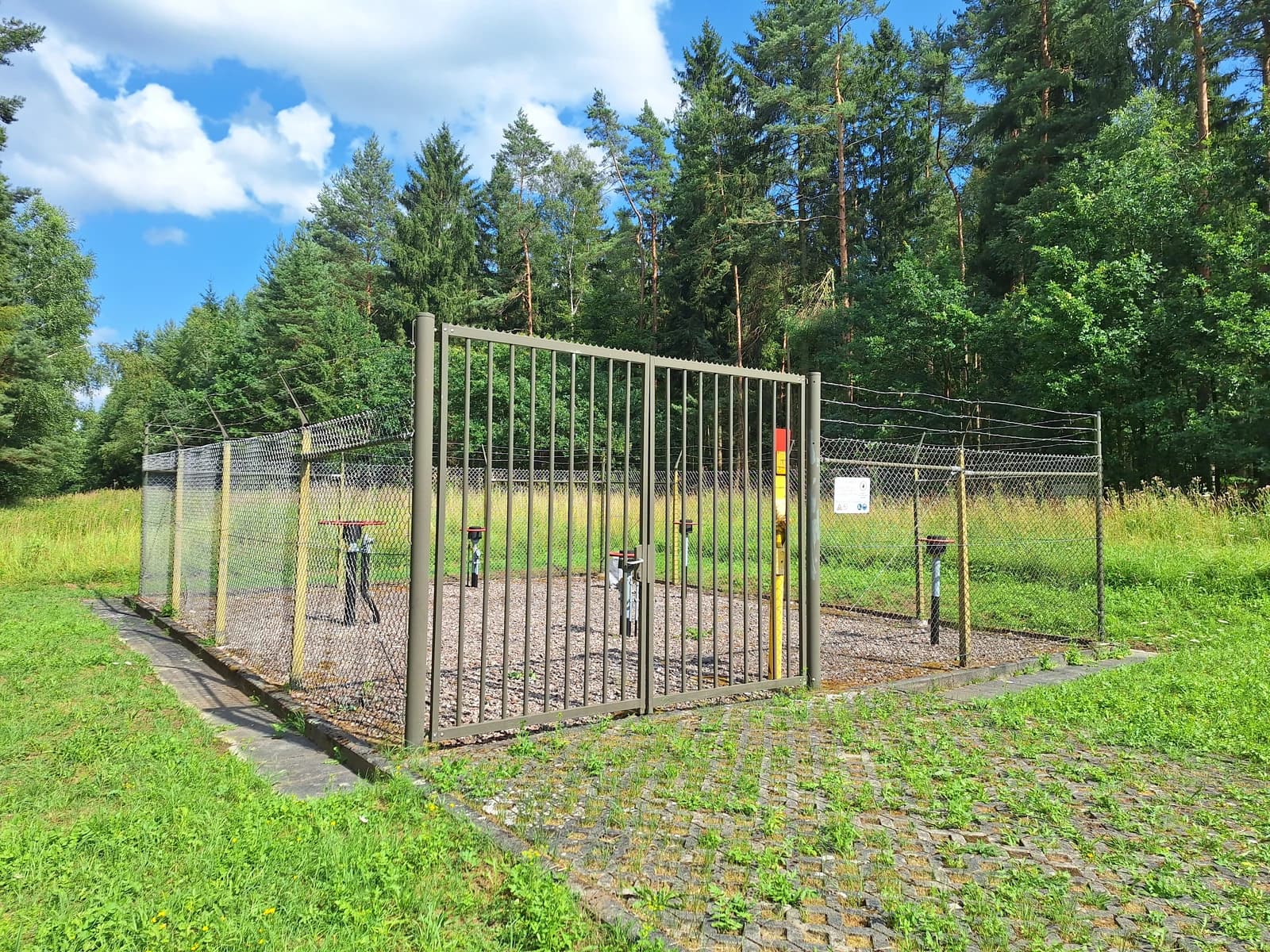
Gas supplies will be interrupted in eight villages of Azerbaijan’s Sheki district tomorrow as regional operators carry out autumn-winter maintenance, a local outage that matters because it comes against a broader backdrop of tighter European gas balances and firmer fuel prices heading into the heating season.
Azerbaijan Sheki gas outage during maintenance
The shutdown will hit Aşağı Göynük, Köndələn, Abbaskənd, Birinci Biləcik, İkinci Biləcik, Baş Göynük, Qumux and Baş Layısqı from 10:00 a.m. on Sept. 4 until work is completed, according to the Zaqatala Regional Gas Operations Department. While the stoppage is temporary and planned, it underscores how even routine maintenance now carries added sensitivity in a market where supply buffers are thinner than they were before the 2022 energy shock.
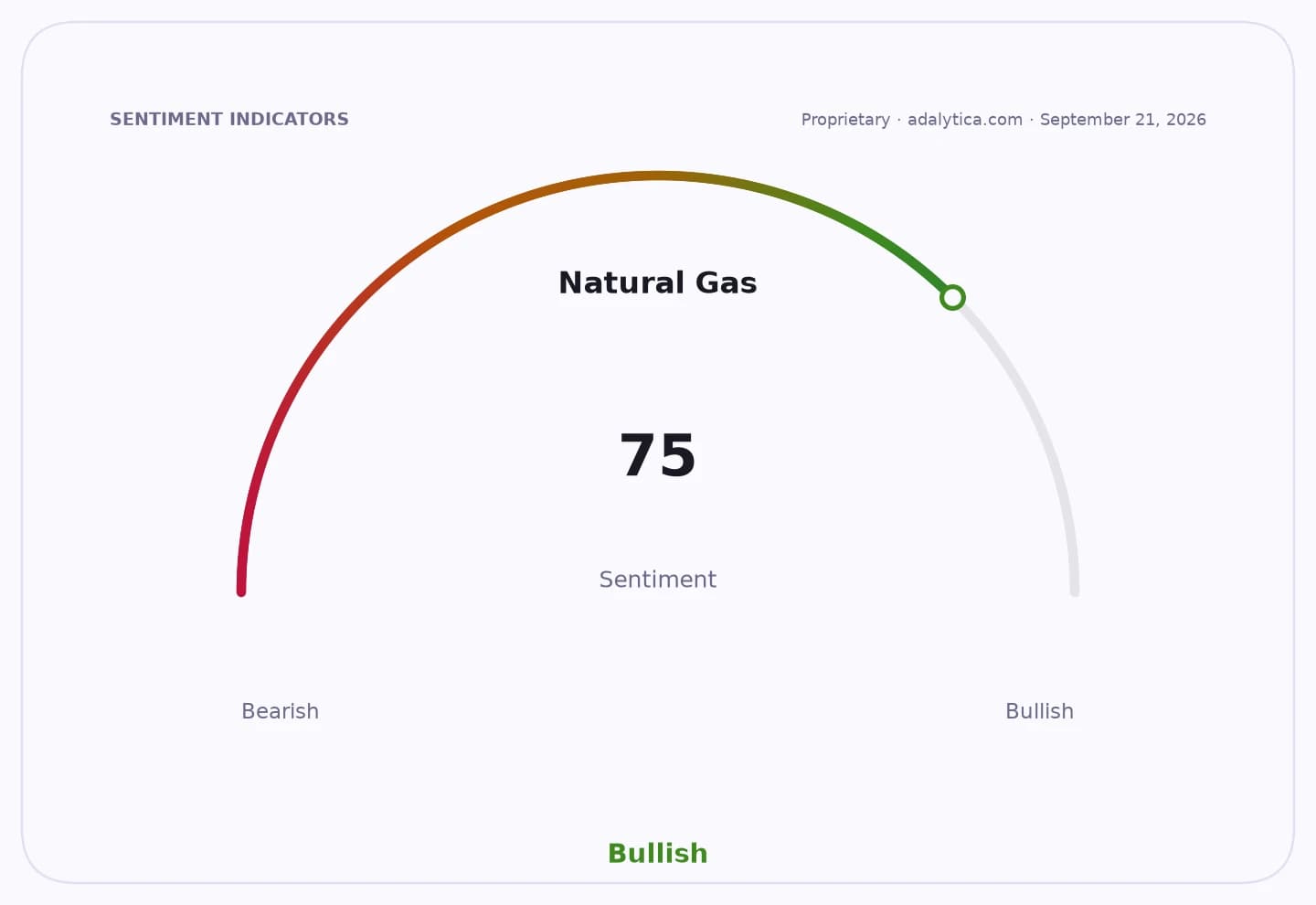
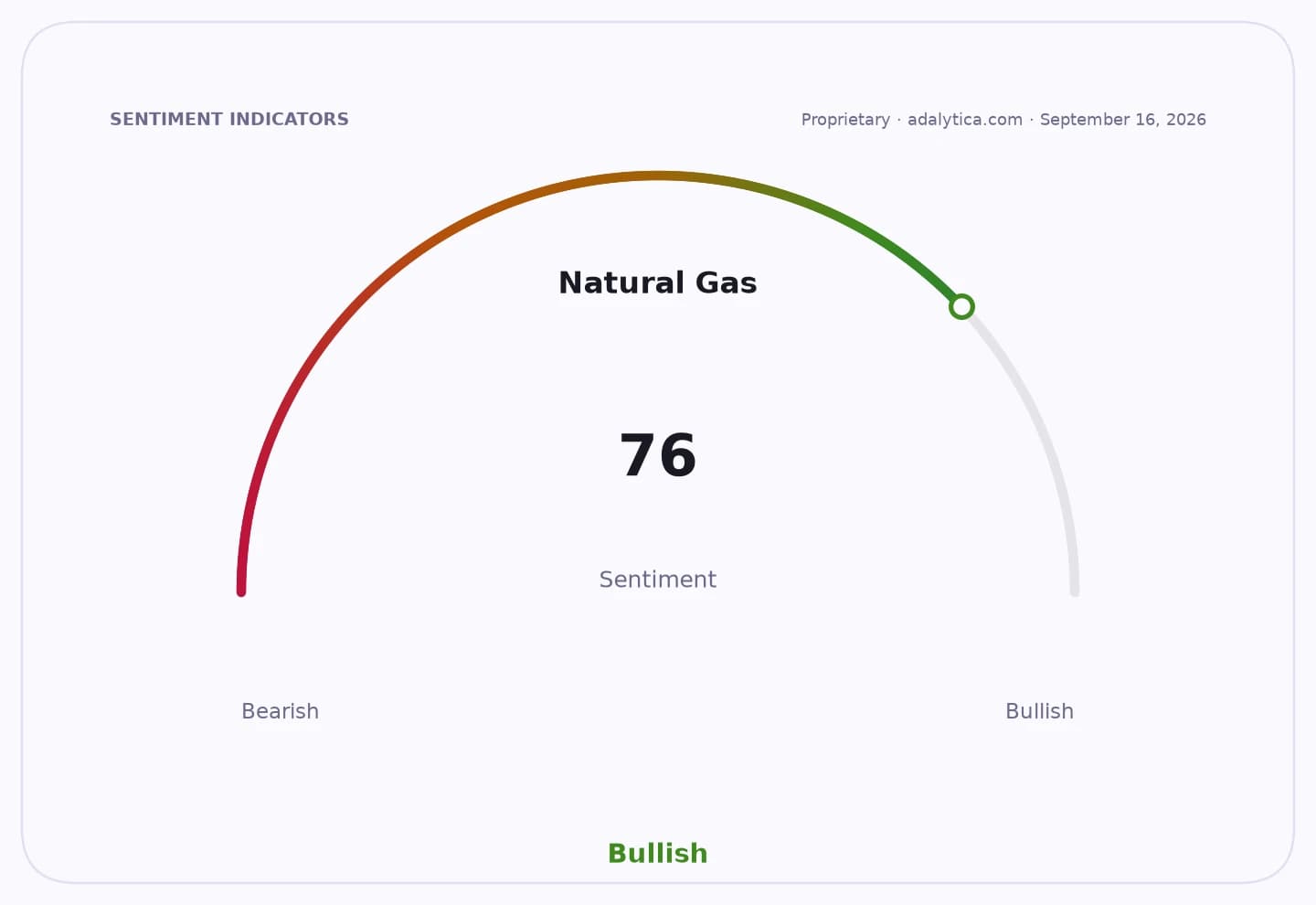
That wider market tension is not confined to Azerbaijan. European gas storage levels have fallen to the lowest in more than a decade, around 65.09%, and natural gas prices have roughly doubled from levels seen earlier in the year, reviving concerns about winter security. For households and businesses, that raises the risk of higher heating and operating costs if cold weather tightens demand faster than supply can respond.
For investors, the story is less about one local outage than the direction of the gas market itself. Higher prices and tighter storage are supportive for producers, LNG exporters and infrastructure operators, but they pressure industrial users, utilities and transport buyers that are more exposed to spot-market volatility. Natural gas-focused vehicles such as the United States Natural Gas Fund, UNG, and energy equities tied to tighter commodity balances have already reflected that volatility, while the sector gauge XLE has outperformed on the back of firmer energy prices. Kodiak Gas Services, KGS, has also benefited from the stronger backdrop, though its business is more linked to compression demand than direct commodity exposure.
The immediate economic effect of the Sheki disruption is limited, but the narrative is larger: governments and network operators are entering winter with less room for error. If storage injections, pipeline flows or weather turn unfavorable, localized maintenance outages can quickly become part of a broader supply-risk story. Investors will be watching storage data, European price spreads and any further policy measures aimed at securing gas ahead of the coldest months.
| Entity | Gains | Losses |
|---|---|---|
| Gas utilities/operators | ▲Planned maintenance window | ▼Short-term service continuity |
| Gas producers/LNG suppliers | ▲Firmer prices | ▼Demand-sensitive customers |
| Industrial users/households | ▲Supply security if works finish quickly | ▼Near-term fuel access |
| Energy equities/UNG holders | ▲Volatility and higher prices | ▼Consumers and importers |