Gas has reached 730 subscribers in a village near Astana, a small but telling step in Kazakhstan’s long campaign to bring more households onto the natural gas grid and broaden the country’s energy infrastructure.
Kazakhstan adds gas service in Kyzylsuat village
The immediate significance is practical: once a rural community is connected, households typically get cleaner and more reliable heating, while the state gets a stronger case for continuing to spend on pipelines, regulator stations and downstream distribution. In a country where winter heating is not a luxury but a necessity, that matters for living standards, local economic activity and long-term regional development.
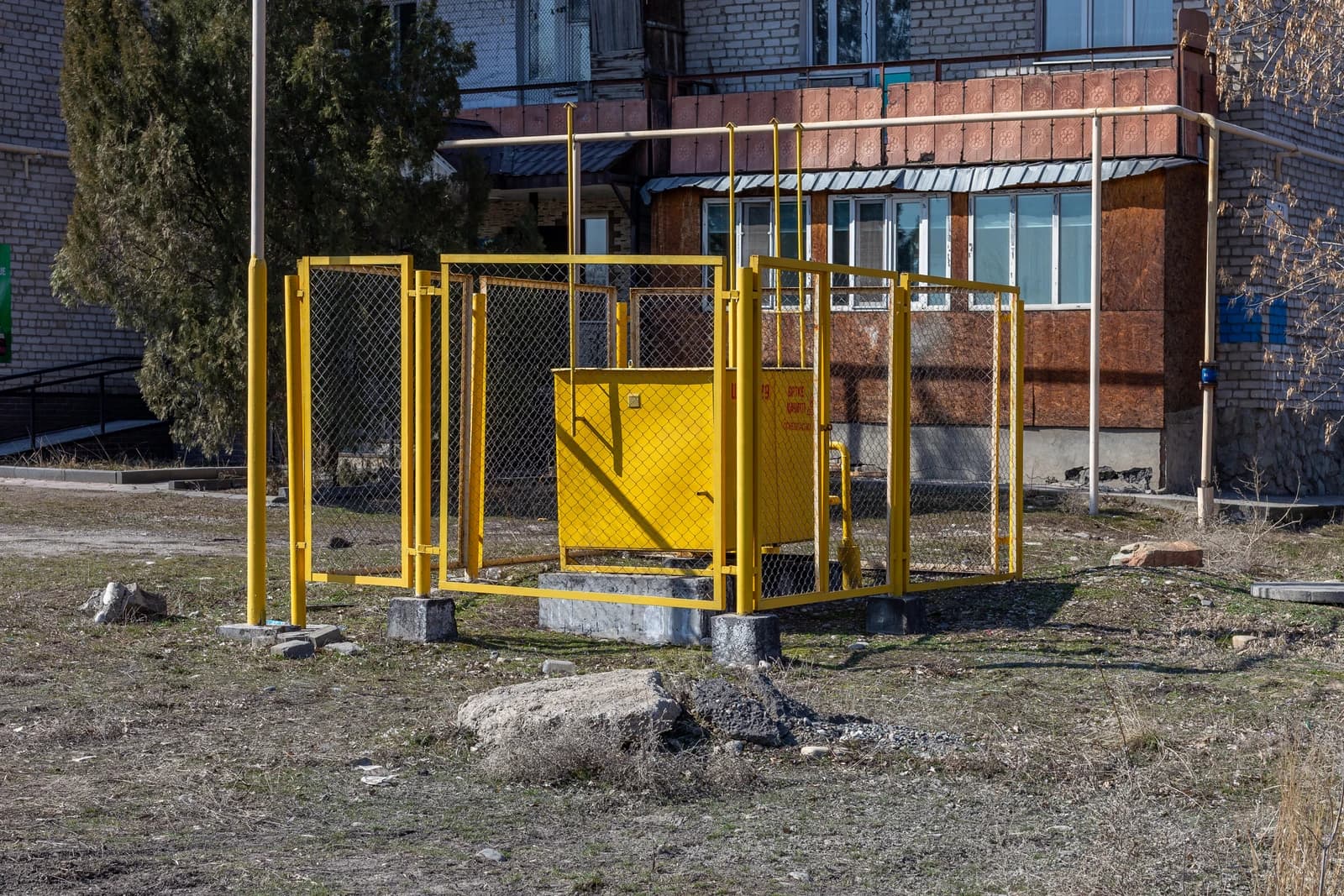
QazaqGaz Aimaq said gasification has been completed in Kyzylsuat village in Akmola region, opening the way for 730 subscribers to connect to natural gas. The project included 67.3 kilometers of pipeline, one gas regulation point and eight cabinet-type regulation units, infrastructure that allows homes to be connected gradually rather than all at once.
For investors and energy watchers, the story is less about one village than about the scale of the rollout. Kazakhstan said 40 gasification projects are under way nationwide in 2026, seven carried over from last year, and that nearly 37,000 more people should gain access to natural gas when they are finished. That points to steady capital spending in the gas network, recurring work for state-linked energy operators and continued demand for equipment, construction and maintenance services.
The broader policy backdrop is just as important. The government is pursuing gas expansion under a directive from the head of state and still aims to raise the national gasification rate to 80% by 2035. That gives the sector a long runway, even if the projects are individually modest. For households, the upside is lower friction in daily life; for the economy, it is improved energy access and a more integrated domestic fuel system.
There is also a technology angle worth watching. The ministry has said artificial intelligence could be used to detect accidents at oil and gas facilities in advance, a sign that Kazakhstan is trying to modernize not just the reach of its energy network but also its safety and monitoring systems.
For long-term investors, the takeaway is straightforward: Kazakhstan’s gas buildout remains a durable infrastructure theme, not a one-off headline. The near-term numbers are small, but the policy target is large, and that combination usually supports years of steady project flow for the companies involved. Worth watching for anyone looking for resilient, state-backed energy infrastructure exposure.
| Entity | Gains | Losses |
|---|---|---|
| QazaqGaz Aimaq | ▲More network volume | ▼Higher capital burden |
| Kyzylsuat households | ▲Cleaner heating access | ▼No immediate downside |
| Kazakhstan government | ▲Progress toward 2035 target | ▼Ongoing infrastructure costs |
| Alternative fuels | ▲Less household demand | ▼Lost heating share |