Kazakhstan’s biggest near-term AI story is not just about building smarter software — it is about protecting the digital economy as it scales, and that makes cybersecurity a more important investment theme than ever. As the country leans into an official Year of Digitalization and Artificial Intelligence, the message from Astana is clear: every new AI tool, cloud workflow and connected device expands the attack surface, and the cost of one mistake rises with it.
Kazakhstan AI Month Spotlights Cybersecurity Demand
That is why KazHackStan 2026, set for Sept. 29-30 in Astana, matters. The event is expected to draw more than 10,000 visitors, about 200 companies and at least 100 regional and international speakers, turning cybersecurity from a niche IT issue into a boardroom and policy priority. For investors, that is a meaningful signal that the market for security software, secure development tools and digital risk management in Central Asia is becoming more visible and more strategic.
The economic logic is straightforward. AI adoption improves efficiency, but it also increases the number of systems, connections, applications and data streams that need to be defended. That means the value of secure infrastructure rises alongside the value of the AI stack itself. For governments, a breach can disrupt public services and critical infrastructure. For businesses, it can mean downtime, data loss, reputational damage and higher compliance costs.
KazHackStan is being staged as part of AI Month, which runs from Sept. 23 to Oct. 23, and the sequencing is revealing. First comes HackAlem AI on Sept. 23, where participants will have access to OpenAI resources worth up to $1 million, plus $200,000 in prizes and token awards. Then comes the security conference, followed by AI & Digital Bridge 2026 from Oct. 1-3, where businesses, investors and policymakers will discuss how to scale the ecosystem. That progression — build, test, defend, then commercialize — is exactly how durable AI markets tend to form.
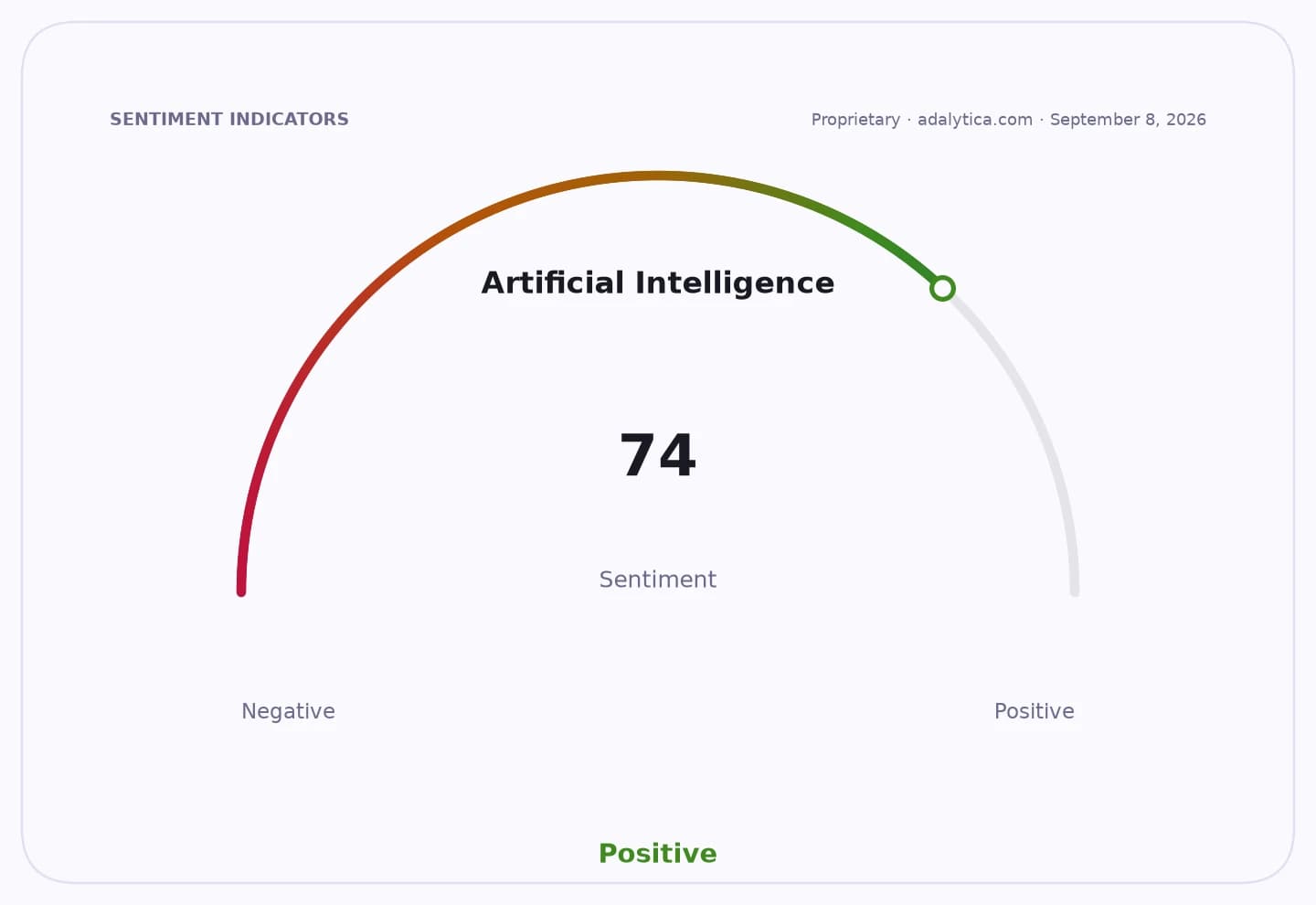
Artificial Intelligence — 30-day sentimentadalytica.com
Explore this data interactively — full history, time series and cross-market comparisons.Open AlphaPulse
For long-term investors, the important takeaway is that Kazakhstan is framing AI as infrastructure, not a one-off technology fad. That usually benefits the companies that supply the guardrails: cybersecurity vendors, secure cloud providers, identity and access management tools, DevSecOps platforms and firms that help organizations handle sensitive data safely. In the U.S. market, names such as CrowdStrike, Palo Alto Networks and Zscaler remain among the better-known beneficiaries of that global spending trend, even if they are not directly tied to Kazakhstan’s events.
There is also a broader capital-markets angle. AI Month is being organized without budget funds, with sponsorship from private-sector names including Freedom Bank, Kaspi.kz, BI Group and Air Astana. That suggests the ecosystem is maturing enough to attract commercial backing, which is what investors want to see if AI spending is going to become recurring rather than promotional. The more the private sector funds the agenda, the more likely it is that security spending becomes embedded in procurement budgets.
The risk, of course, is that AI enthusiasm can outpace real-world defense. New tools create new vulnerabilities, and autonomous or semi-autonomous systems can make attacks faster and harder to contain. But that is precisely why cybersecurity deserves a bigger share of the AI conversation. If Kazakhstan is serious about building a modern digital economy, then security will not be a side story — it will be the cost of admission.
For investors, that makes the country’s AI push worth watching not just for startup headlines, but for the downstream demand it creates in cyber defense. In a world where every digital leap raises the price of failure, the companies that help keep systems safe can compound for years. Consider this one to add to your watchlist.
| Entity | Gains | Losses |
|---|---|---|
| Cybersecurity vendors | ▲Higher demand | ▼Less budget complacency |
| AI adopters | ▲Faster digital scale | ▼Larger attack surface |
| Kazakhstan government | ▲Stronger digital sovereignty | ▼Higher security burden |
| Hackers/attackers | ▲More targets | ▼Tougher defenses |