Kazakhstan’s reliance on coal is becoming a constraint on both its clean-power ambitions and its energy security, as officials and experts warn that the country’s push to add renewable capacity is running up against a power system built around inflexible baseload generation.
Kazakhstan coal limits renewable growth and grid flexibility
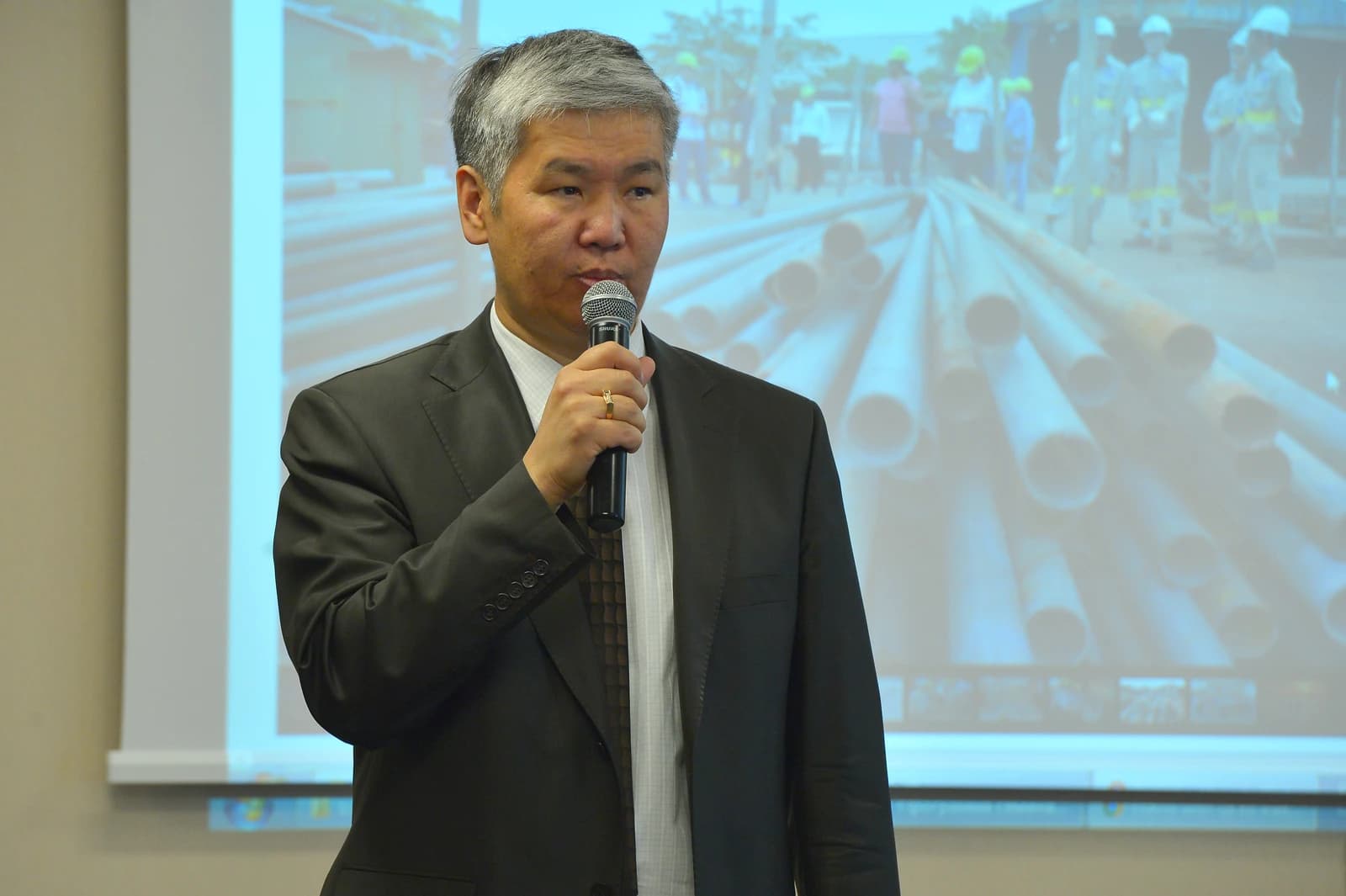
At a forum in Astana, speakers said the central problem is no longer simply emissions. Coal is shaping how Kazakhstan balances electricity supply, district heating and public health, while making it harder for wind and solar to take a larger share of the grid. That matters economically because the country is trying to meet rising demand without locking in a more expensive and less flexible system just as capital is needed for grids, heating networks and cleaner generation.
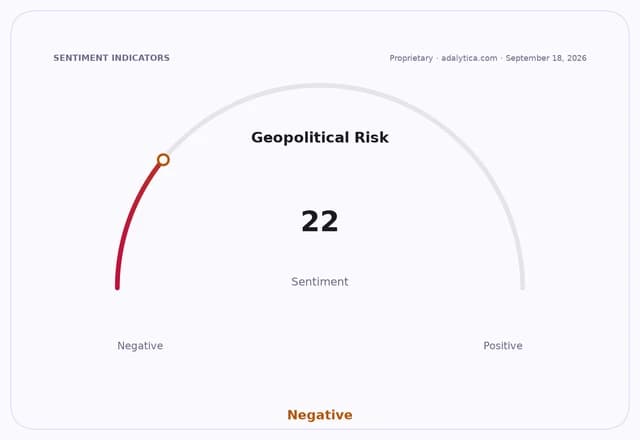
Sentiment IndicatorsⓘProprietary · adalytica.com · September 18, 2026
This is a snapshot — live sentiment, awareness and momentum for 130+ markets update continuously in the dashboard.Open AlphaPulse
Kazakhstan’s national project on coal-fired generation still calls for about 7.8 gigawatts of new and modernized coal capacity, even as renewable facilities produced 8.6 billion kilowatt-hours in 2025, or 7% of total electricity output, according to the energy ministry. That mix underscores the policy tension facing Astana: coal remains the backbone of power and heat, but every additional baseload unit reduces room for intermittent renewables unless the grid, storage and balancing capacity expand faster.
Tatiana Lanshina of Agora Energiewende said the issue is structural, not cyclical. The more coal and nuclear plants run in baseload mode, she argued, the less scope there is for large-scale deployment of solar and wind. In Kazakhstan, that challenge is amplified by the heating sector, where coal-fired combined heat and power plants provide both electricity and district heat. Replacing them requires a second solution, not just a power substitute.
That is why the energy transition carries direct fiscal and industrial implications. New gas infrastructure, electrified heating, heat pumps, geothermal systems, solar thermal and biogas all require upfront investment, while insulation and efficiency upgrades could reduce demand altogether. For a country with cold winters and energy-intensive heavy industry, the cheapest megawatt is often the one not consumed. But low regulated heating prices have historically discouraged households from using energy efficiently, leaving the state to absorb the cost of an aging system.
The public-health case for change is equally stark. Almaty Air Initiative chief executive Zhuldyz Saulebekova said the city’s CHP-2 and CHP-3 plants burn more than 3.5 million tons of coal a year, with coal from Ekibastuz carrying an ash content of about 42%. She said converting CHP-2 to gas could cut relevant air pollution by roughly 12 times. Her figures, drawn from Climate TRACE, showed large particulate emissions from major industrial sources, with Qarmet in Temirtau among the heaviest emitters.
That makes coal not just a climate issue but a productivity issue. Air pollution raises healthcare costs, reduces labor output and can become a political liability in urban centers such as Almaty. Saulebekova cited estimates that about 14,000 premature deaths a year in Kazakhstan are linked to air pollution, including around 2,000 in Almaty. Even if those estimates are debated, the direction of travel is clear: coal’s external costs are large enough to influence investment decisions, municipal policy and social pressure on the state.
The investor question is how Kazakhstan pays for the transition without jeopardizing reliability. Utilities, grid operators and fuel suppliers face a difficult sequencing problem: retire coal too quickly and the country risks shortages; keep it too long and it risks higher pollution, stranded assets and a grid that cannot accommodate renewable growth. The coal-heavy model may still look like an insurance policy for energy security, but it is increasingly one that comes with rising hidden costs.
For policymakers, the immediate test is whether Kazakhstan treats decarbonization as a power-sector swap or as a broader modernization program. The latter would mean grid upgrades, heat-network reform, efficiency incentives and a more realistic pricing regime for energy. Without that, the country may continue to add renewable capacity while leaving the system itself too rigid to use it fully.
| Entity | Gains | Losses |
|---|---|---|
| Renewable developers | ▲More room if grid modernizes | ▼Slower integration under coal baseload |
| Coal utilities | ▲Near-term dispatch and capacity | ▼Pollution costs and long-term stranded-asset risk |
| Households and cities | ▲Cleaner air if conversion accelerates | ▼Higher costs during the transition |
| Grid and heating investors | ▲New upgrade opportunities | ▼Pressure to fund a complex overhaul |