R3 Lithium has raised $15 million and begun production, a milestone that gives Europe’s battery-recycling push a new operating asset at a time when automakers and materials producers are scrambling to lock in supply chains for lithium and other critical metals.
R3 Lithium Raises $15 Million, Starts Production
The funding matters because recycling is moving from a sustainability theme to an industrial necessity. With Europe accelerating investment in battery plants, storage systems and end-of-life recovery, any company that can convert used batteries into reusable inputs has a shot at a structurally tighter market. That is especially true as raw-material supply remains exposed to price swings, geopolitics and transport bottlenecks, while regulators push for more domestic sourcing and circularity.
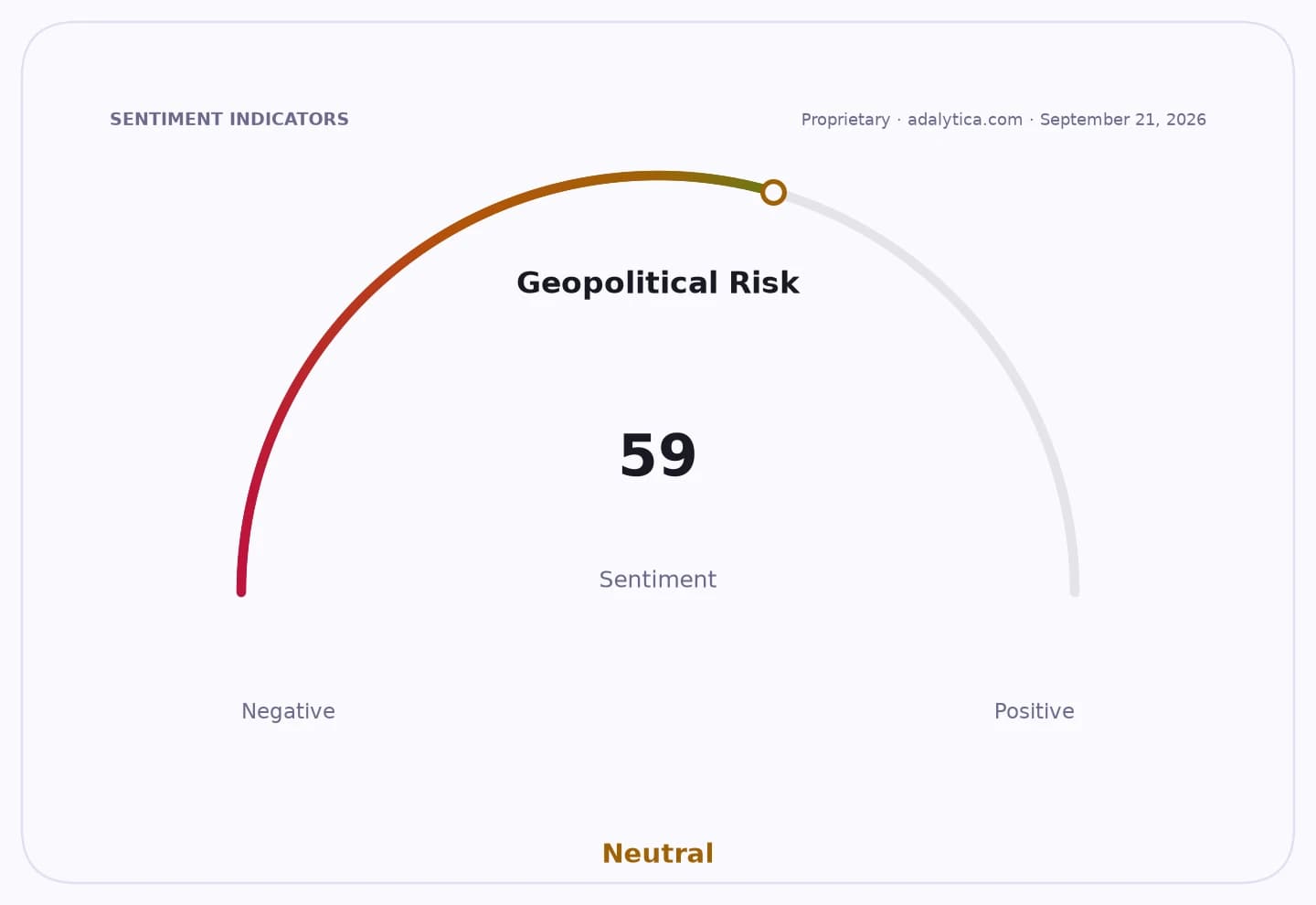
Sentiment IndicatorsⓘProprietary · adalytica.com · September 19, 2026
This is a snapshot — live sentiment, awareness and momentum for 130+ markets update continuously in the dashboard.Open AlphaPulse
For investors, the significance is twofold. First, R3’s start of output reduces execution risk: the business is no longer only a concept, but a producer that can potentially generate operating data, secure feedstock contracts and prove unit economics. Second, the new capital suggests backers are willing to fund the sector even as it remains capital intensive and operationally hazardous. Battery recycling is attractive in theory, but margins depend on feedstock quality, chemistry mix, yield rates and safety controls — all areas that have tripped up the industry, including fire incidents at recycling sites.
The broader market backdrop helps explain the timing. Europe has been rapidly adding recycling and production capacity, from Spain, France and Sweden to smaller technology-led projects, as policymakers seek to build a self-reinforcing battery value chain. At the same time, battery demand from electric vehicles and grid storage is still rising, and companies such as Porsche and Volkswagen are exploring ways to extend battery life and secure supplies. That creates a clearer addressable market for recyclers, but it also raises the bar for reliability, because customers will not tolerate interruptions in feedstock handling or output.
There is also a macro layer to the story. Lithium and battery-material producers have faced sharp price swings, while investors have rotated in and out of the sector as interest rates, dollar strength and growth expectations shift. In that environment, a recycler with domestic or regional processing capability can look like a hedge on supply chain resilience, particularly if it can source materials efficiently and sell into a market that values traceability.
Still, the bear case is straightforward. Recycling businesses often need scale before they can absorb fixed costs, and they face competition from established miners, chemical processors and vertically integrated battery groups. If feedstock is scarce, contaminated or too expensive to collect, returns can deteriorate quickly. Safety, permitting and logistics remain material execution risks.
For investors, R3’s raise and first production are best read as a proof point for the sector rather than a verdict on profitability. The next catalysts will be throughput, contract wins and evidence that recycled output can compete on cost and quality with primary supply. If those metrics improve, the company could become part of Europe’s critical-materials stack; if they do not, the funding may only extend the runway.
| Entity | Gains | Losses |
|---|---|---|
| R3 Lithium | ▲Fresh capital; first output | ▼Execution scrutiny rises |
| European EV makers | ▲More local supply options | ▼Dependence on imported metals eases less quickly |
| Primary lithium miners | ▲Higher demand support | ▼More competition from recycled feedstock |
| Recyclers with scale | ▲Validation of sector demand | ▼Small players face tougher funding bar |