A Chinese electric SUV priced from about 603 million dong is turning the D-segment SUV fight from a hardware contest into a technology race, with LiDAR-assisted driving, an 800-volt platform and 725 km of claimed range aimed squarely at entrenched nameplates such as the Ford Everest and Toyota Fortuner.
Deepal S07 AI Laser Edition 2027 priced in China
The Deepal S07 AI Laser Edition 2027 matters because it shows how quickly Chinese automakers are compressing the gap between mass-market pricing and premium EV technology. At 155,900 yuan to 175,900 yuan, or roughly 603 million to 681 million dong, the model undercuts many traditional large SUVs while offering features once associated with far pricier vehicles: LiDAR on the roof, AI-assisted navigation, automatic parking in tight spaces and a 2.5K central screen backed by Qualcomm’s Snapdragon 8295P chip.
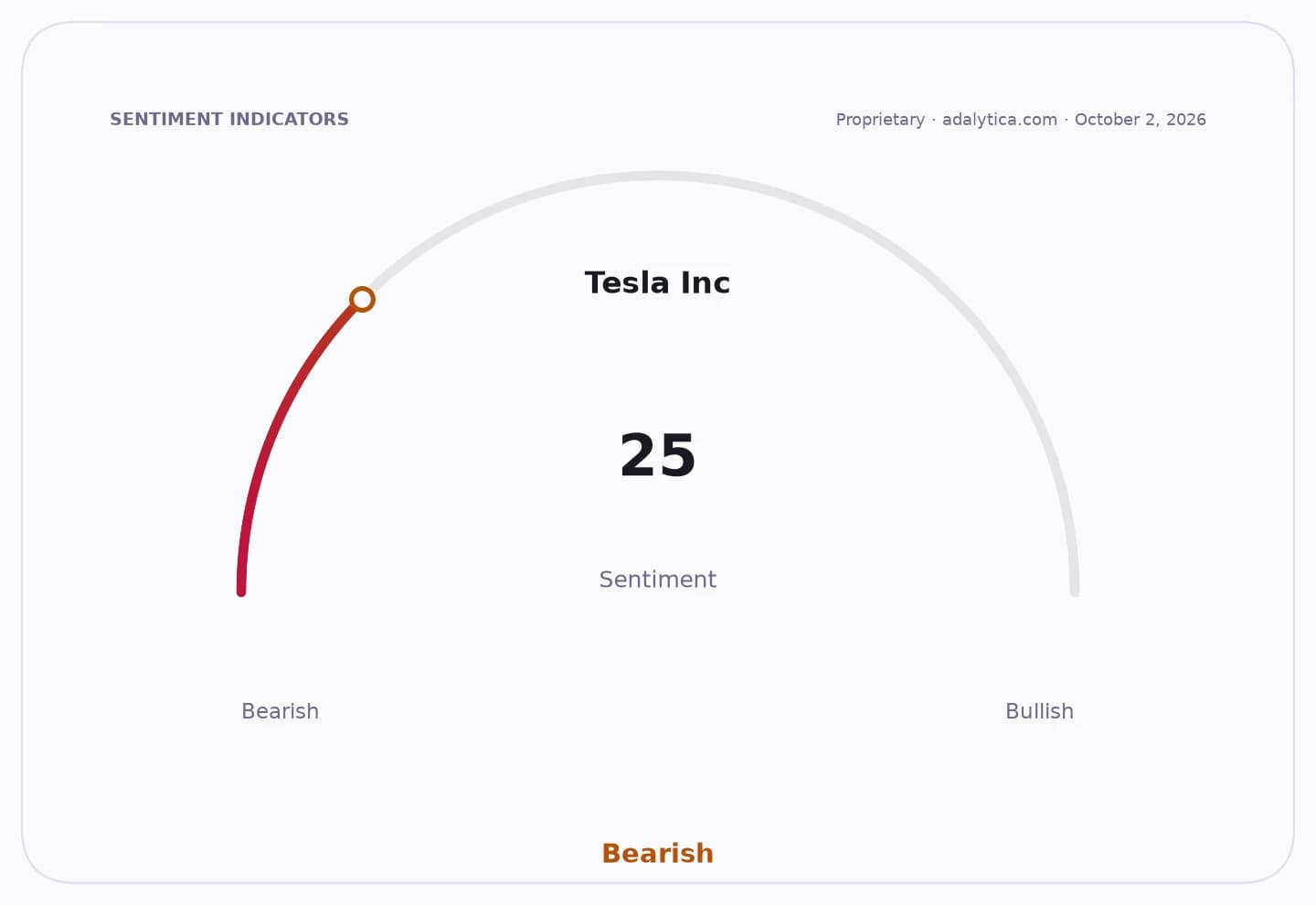
Sentiment IndicatorsⓘProprietary · adalytica.com · October 3, 2026
This is a snapshot — live sentiment, awareness and momentum for 130+ markets update continuously in the dashboard.Open AlphaPulse
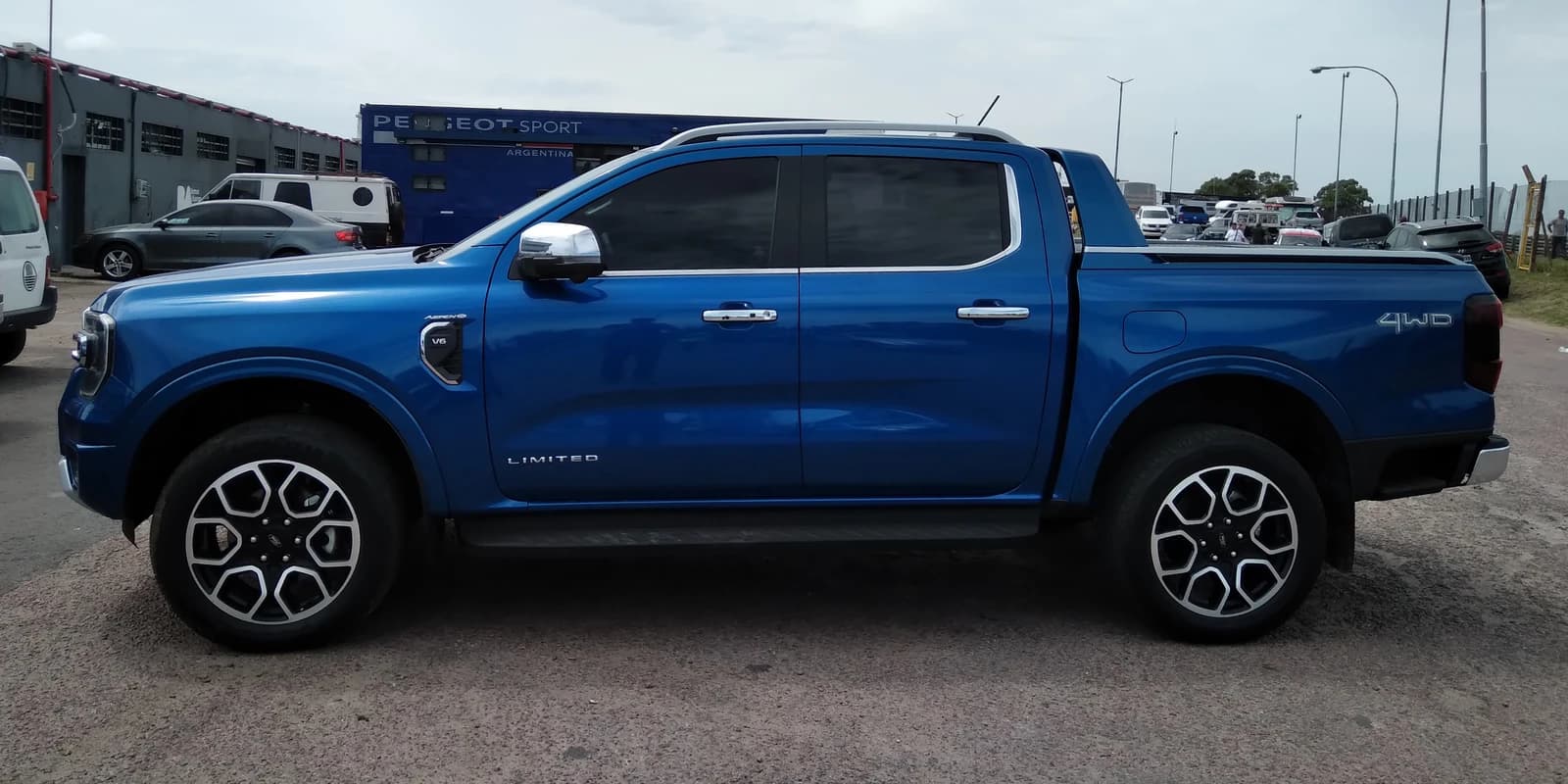
That combination changes the competitive frame in one of the most closely watched SUV segments. Buyers in the D-class category have traditionally paid for size, durability and brand equity, especially in markets where the Ford Everest and Toyota Fortuner dominate on reputation and resale value. Deepal is trying to reset the equation by offering 286 horsepower, 290 Nm of torque, an 800V electrical architecture and a claimed 725 km of range, all at a price that would look aggressive even before the advanced driver-assistance suite is counted.
The technology pitch is the clearest differentiator. Deepal says the AI Laser system can handle urban routing, highway navigation and multiple parking scenarios, including narrow bays, dead ends and remote parking. It also bundles 24 active-safety functions, driver-monitoring through a camera in the A-pillar and a cabin loaded with massaging, ventilated front seats and a 20-speaker audio system as standard. For consumers, that is a sharper value proposition than the traditional SUV formula of diesel torque, ladder-frame toughness and badge familiarity.
For investors, the more important signal is that the price-performance curve in EVs is still moving aggressively in China and may eventually spill into export markets. Chinese brands continue to weaponize battery, software and sensor costs to build feature-rich vehicles at price points that challenge legacy manufacturers on both margin and market share. That raises the risk that mainstream global automakers will be forced into a difficult trade-off: match the technology and compress profitability, or preserve margins and risk losing relevance in tech-sensitive markets.
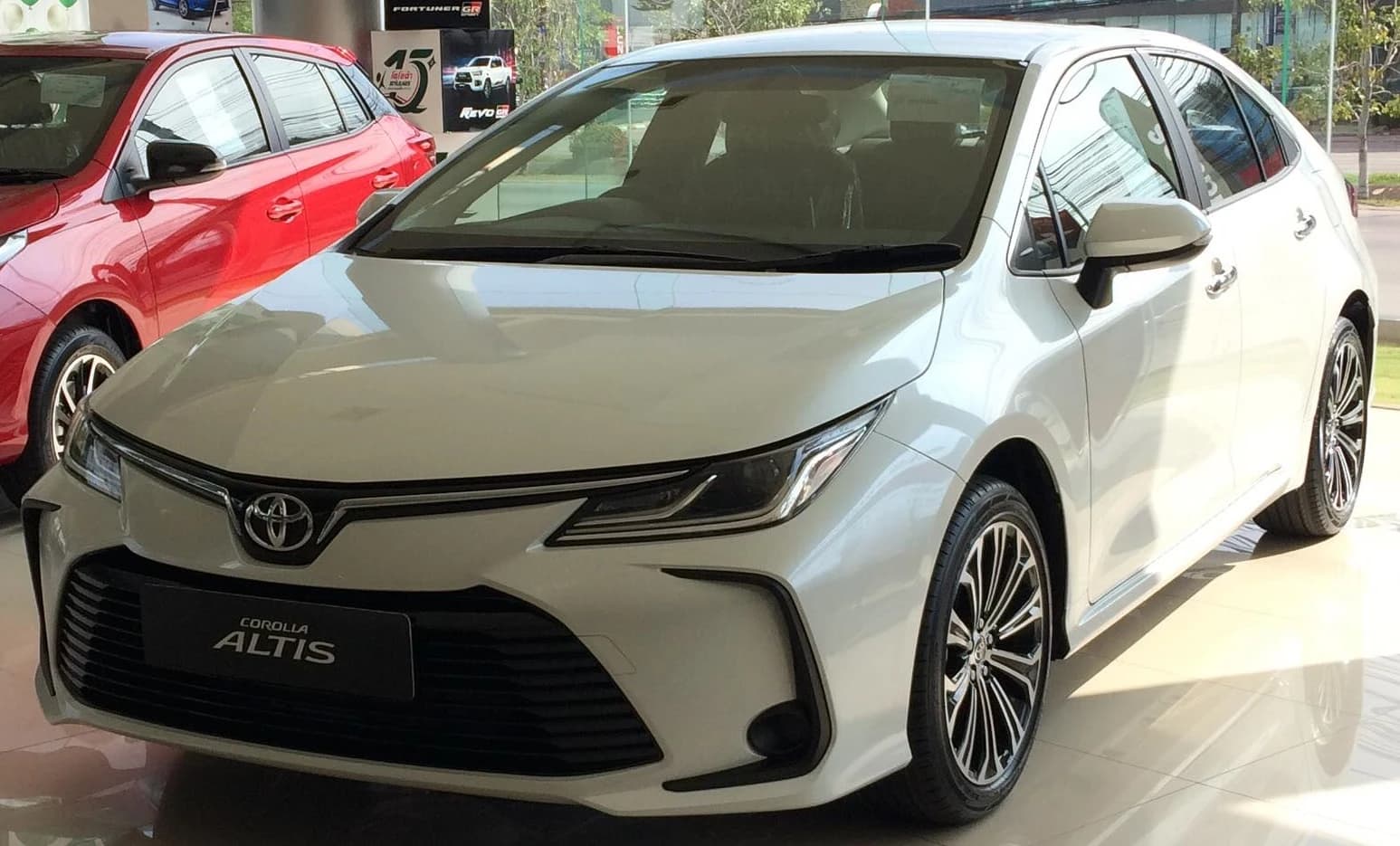
Ford’s recent filings already point to the broader pressure. The company has warned that its vehicles face intense competition from existing and new entrants, and that demand for larger, more profitable vehicles is central to earnings. Toyota is less exposed to a single segment but remains vulnerable to the same structural shift if buyers in Asia and beyond begin valuing EV architecture and driver-assistance capability more than diesel reliability and off-road pedigree.
The market backdrop also helps explain why the story resonates. Global investors are in a more cautious mood, with risk appetite shaky and attention fixed on whether automakers can defend pricing power as electrification spreads. In that environment, a sub-700 million dong SUV with LiDAR is not just another launch; it is evidence that the next round of competition may be fought on software-defined features and charging speed, not just engine output and body-on-frame credentials.
The bull case for incumbents is that Everest and Fortuner buyers remain loyal to proven platforms, especially in markets where service networks, durability and resale dominate purchase decisions. The bear case is that Chinese EV makers keep lowering the entry price for advanced features, forcing premium SUVs and mid-market family haulers into a race that legacy brands may not want to join. The next test is whether Deepal can translate this specification sheet into real sales outside China, where regulation, charging infrastructure and brand trust will decide whether the threat stays local or becomes global.
| Entity | Gains | Losses |
|---|---|---|
| Deepal/Changan | ▲Feature-led market share | ▼Lower margin pressure |
| Ford Everest | ▲Brand loyalty defense | ▼Value comparison pressure |
| Toyota Fortuner | ▲Proven-reliability edge | ▼Tech gap versus EVs |
| Consumers | ▲More tech at lower price | ▼Unproven resale in export markets |