Used-car and mass-market pricing in Asia is diverging from the premium segment, and that split matters because it tells investors where volume is still real and where affordability is starting to crack.
Toyota Pakistan Prices Show Auto Market Split
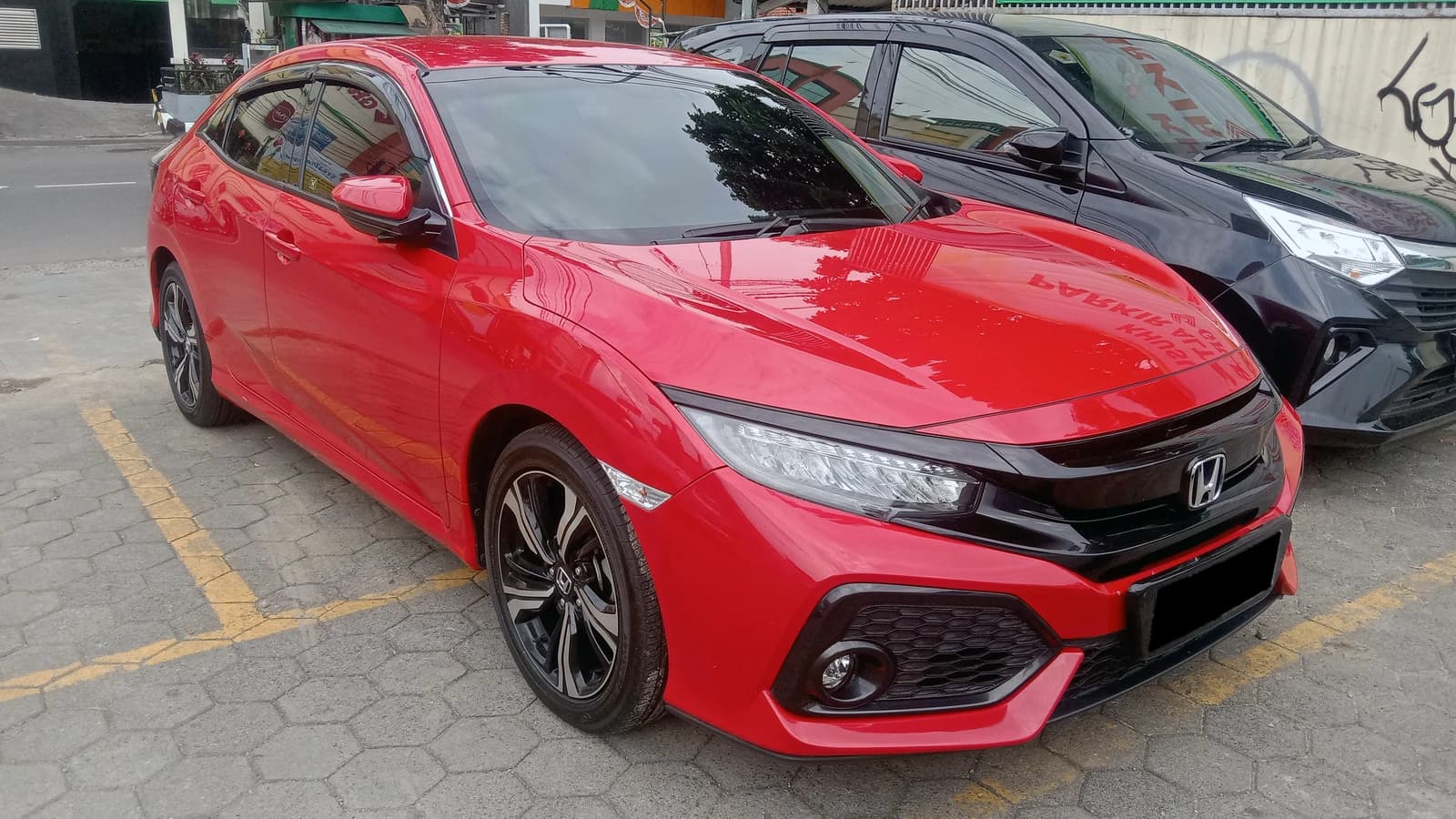
The clearest signal in the data is Toyota’s Pakistan price sheet, which shows how much of the region’s auto demand is being anchored by practical, fuel-efficient models rather than expensive badges. A Toyota Corolla is listed at PKR 6.169 million, while a Hilux is PKR 16.149 million and a Land Cruiser reaches PKR 156.829 million. That spread is not just a marketing lineup; it is a map of who can still buy, who is stretching, and where automakers have pricing power.
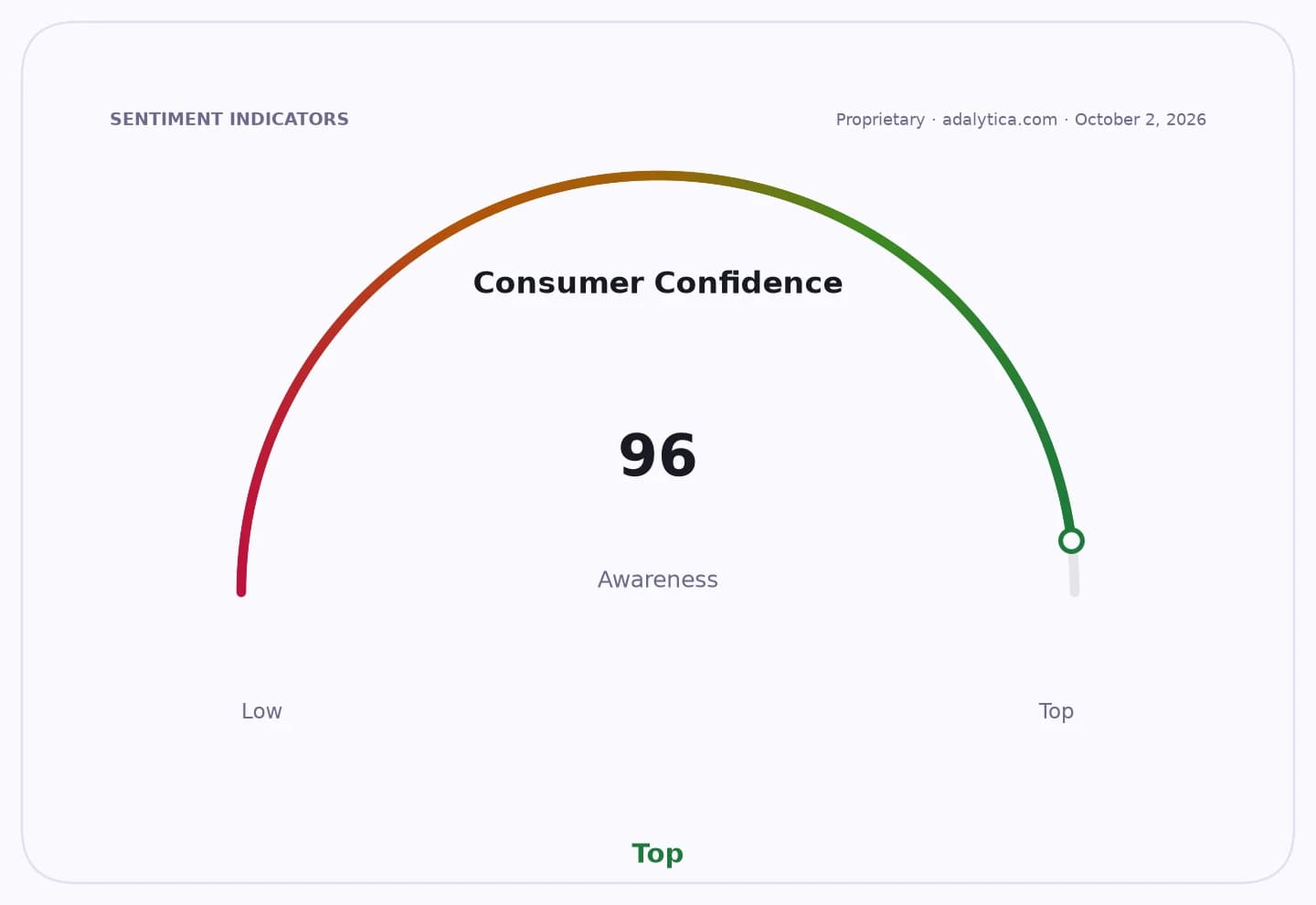
Sentiment IndicatorsⓘProprietary · adalytica.com · October 3, 2026
This is a snapshot — live sentiment, awareness and momentum for 130+ markets update continuously in the dashboard.Open AlphaPulse
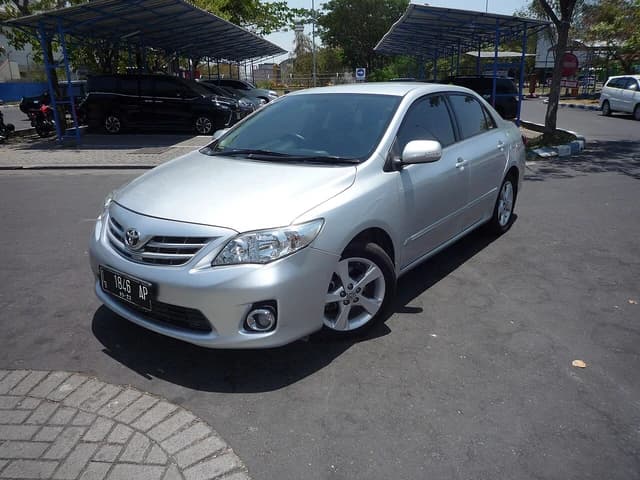
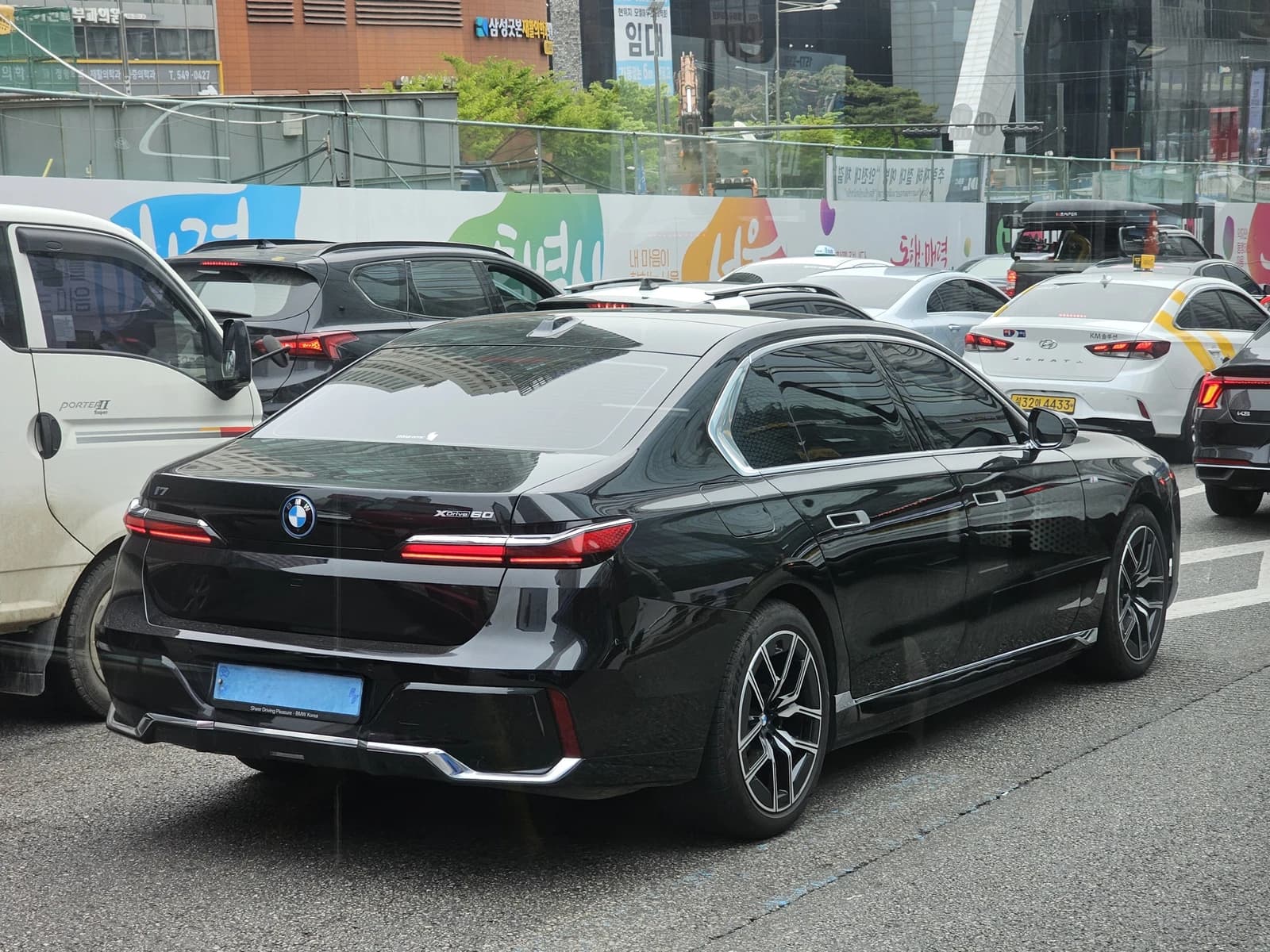
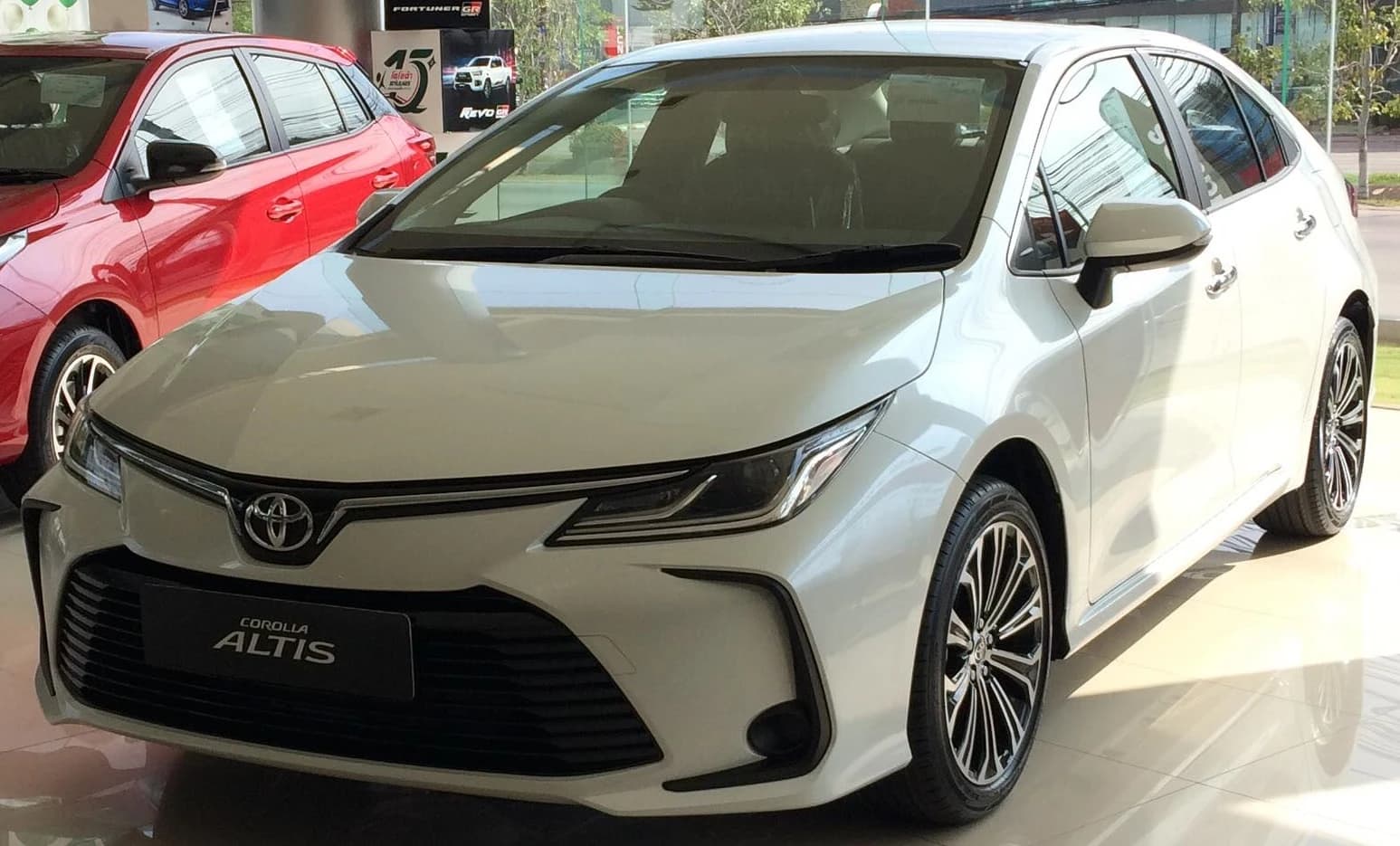
For investors, the opportunity is in the parts of the market that benefit from this bifurcation. Mass-market brands with strong financing channels, local assembly exposure and durable replacement demand are better positioned than premium importers whose customer base is more rate-sensitive and more exposed to currency swings. The reference to models such as BMW 5 Series, Audi A5 and Audi A7 alongside entry-level names like the Kia Frontier K2700 and Toyota Corolla Altis underscores a market where aspiration exists, but affordability is deciding transactions.
That matters economically because autos are a proxy for consumer confidence, credit availability and import costs. When buyers trade down toward smaller sedans, pickups and basic trims, it usually means households are protecting cash flow rather than chasing status. In emerging markets, that shift supports volumes for value brands and commercial vehicles, but it can pressure import-dependent luxury dealers, weaken margins on high-end inventory and accelerate the move toward lower-spec, locally assembled products.
The broader backdrop is not helping premium pricing discipline. Reuters reports have pointed to concerns over cheap Chinese EVs in Australia, where regulators are being pushed to tighten scrutiny over safety and compliance. That is a reminder that price alone is not enough in this cycle: governments are likely to welcome cheaper cars, but only if they clear the regulatory bar. For automakers, that raises the stakes on homologation, parts supply and local standards, and it gives established brands with distribution and compliance infrastructure another advantage.
Toyota remains the most obvious beneficiary of this environment. Its range spans the very segments consumers are migrating toward, from the Corolla and Yaris to the Hilux and Prius, and that breadth gives it leverage across both passenger and utility demand. The market underestimates how valuable that mix is when buyers are trading down but still want reliability and resale value.
The near-term catalyst is likely to be further separation between winners and losers in auto retail and distribution. Brands tied to essential transport, fleet demand and affordable ownership should keep outperforming high-end importers, especially if currency pressure and tighter consumer budgets persist. For investors looking for an asymmetric setup, the better trade is not chasing luxury volume — it is owning the companies and supply chains that sell the cars people can still afford.
| Entity | Gains | Losses |
|---|---|---|
| Toyota | ▲Volume at affordable price points | ▼None material |
| Mass-market dealers | ▲Steadier demand | ▼Premium-margin compression |
| BMW, Audi | ▲Brand visibility | ▼Fewer price-sensitive buyers |
| Import-dependent luxury buyers | ▲More options | ▼Higher ownership burden |