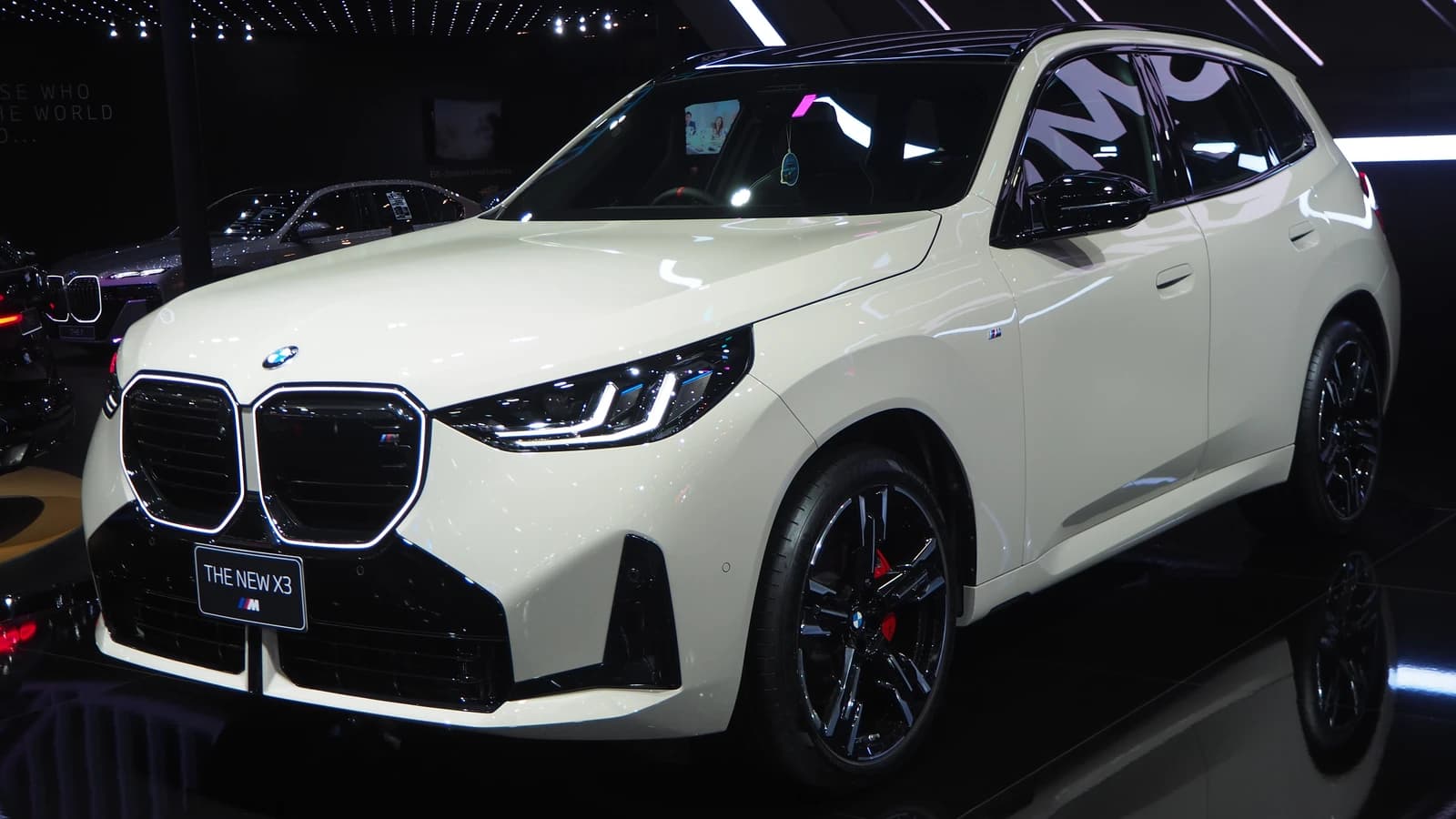
BMW has given its 3 Series the most sweeping reinvention in decades, using the launch of the eighth-generation model to signal where the core sedan market is heading: further toward electrification, digital cabins and away from diesel in Europe. That matters because the 3 Series is not just another model refresh; it is one of BMW’s volume and brand-defining cars, and the changes show how aggressively the company is repositioning a longtime best-seller for tougher emissions rules and a rapidly shifting premium-car market.
BMW 3 Series Redesign Adds EV Range, Drops Diesel
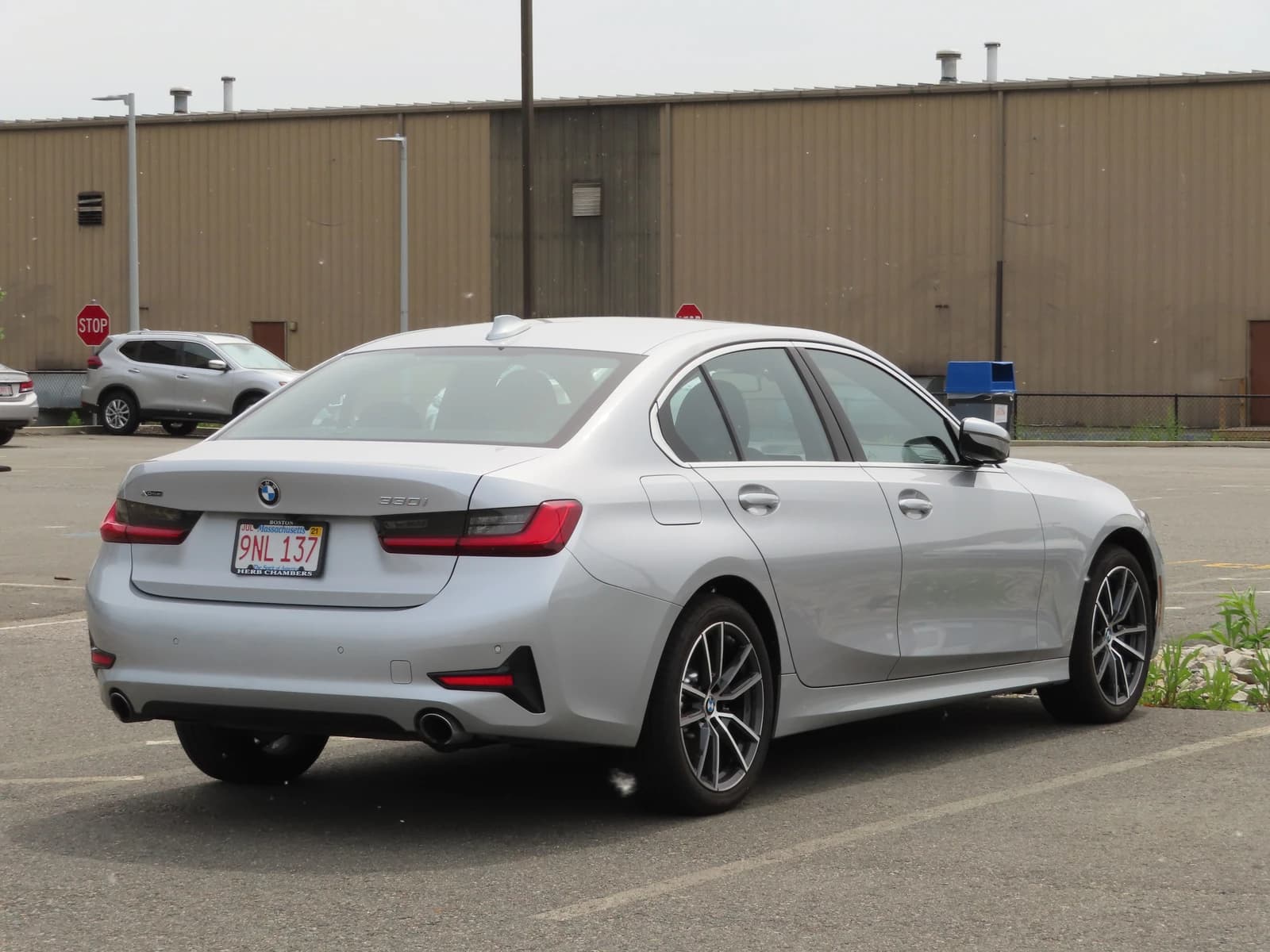
The new car adopts BMW’s Neue Klasse design language, replacing the familiar split between grille and lighting with a broader horizontal front end, vertical DRLs and an illuminated grille treatment. The result is a car that is likely to be harder to identify at a glance than the outgoing 3 Series, but that is precisely the point: BMW is trying to make its mainstream sedan look more like the company’s next-generation EVs and less like a legacy combustion model. For buyers, the shift is cosmetic and strategic at once. For competitors, it raises the bar on how quickly they must modernize if they want to keep pace in the premium compact-sedan segment.
The bigger economic message is under the skin. BMW is widening the distance between its electrified and ICE portfolios while pruning weaker powertrain options. According to the launch details, the new i3 50 xDrive EV is claimed to travel up to 912km on a 108.7kWh battery, with 462 bhp and 645 Nm, while the i3 40 xDrive offers 710km. The lineup also supports 400kW DC fast charging. At the same time, BMW is removing diesel from the 2027 3 Series range in Europe, underscoring how tightening emissions standards and soft consumer demand are forcing even premium brands to simplify lineups and concentrate investment in petrol-hybrid and battery-electric technologies.
That has direct implications for margins and product planning. Fewer diesel variants can reduce complexity, certification cost and inventory risk, but it also narrows BMW’s offering in markets where diesel still has niche appeal for high-mileage drivers. The bet is that mild-hybrid petrols and EVs can carry the model range with better regulatory compliance and stronger long-term demand. The new M350 xDrive, which replaces the M340i, illustrates the balancing act: BMW is still catering to performance buyers with a 3.0-litre inline-six producing 437 bhp and 580 Nm, good for 0-100 kmph in 4.1 seconds, but it is doing so within a more electrified architecture that includes 48V mild-hybrid assistance.
The cabin overhaul is equally important for investors because it reflects where premium pricing power is now expected to come from. BMW has removed the traditional instrument cluster and replaced it with a 17.9-inch center screen, a pillar-to-pillar Panoramic iDrive display strip and a 3D head-up display, with software based on Android Open Source Project architecture and OTA update support. In an industry where hardware margins are under pressure, software-driven interfaces and upgradeable digital features are increasingly central to retaining customers and supporting pricing. The question for BMW is whether this digital reset improves brand loyalty enough to offset the risk of alienating buyers who still want a more conventional cockpit.
The stock context shows a company still under pressure. BMWKY closed at 20.34 on Oct. 2, well below its 50-day moving average of 22.83 and its 200-day moving average of 27.73, with an RSI reading of 10.6, a level that points to deeply oversold conditions on conventional technical analysis. That does not change the fundamental story, but it does suggest investor sentiment has been weak heading into this product cycle. For shareholders, the launch is relevant because it offers a clearer look at BMW’s product strategy into 2027: defend the 3 Series franchise with a more premium, more digital and more electrified proposition, even if that means letting go of older powertrain choices.
The key investor question now is whether BMW can translate this redesign into better mix, stronger residual values and steadier demand across Europe, China and other core markets. The bull case is that the new 3 Series gives BMW a fresher, regulation-ready platform with enough range, performance and software content to sustain premium pricing. The bear case is that the design shift alienates traditional 3 Series loyalists, while the loss of diesel removes a profitable niche in parts of Europe. The next catalysts will be pricing, order intake and how quickly BMW can move the new 3 Series from reveal to launch in markets such as India, where the company has not yet given a timeline.
| Entity | Gains | Losses |
|---|---|---|
| BMW | ▲fresher premium positioning | ▼diesel line-up complexity |
| EV buyers | ▲912km range option | ▼legacy diesel choice |
| ICE loyalists | ▲437 bhp M350 | ▼familiar 3 Series design |
| Rivals | ▲clearer segment benchmark | ▼slower product cycle advantage |