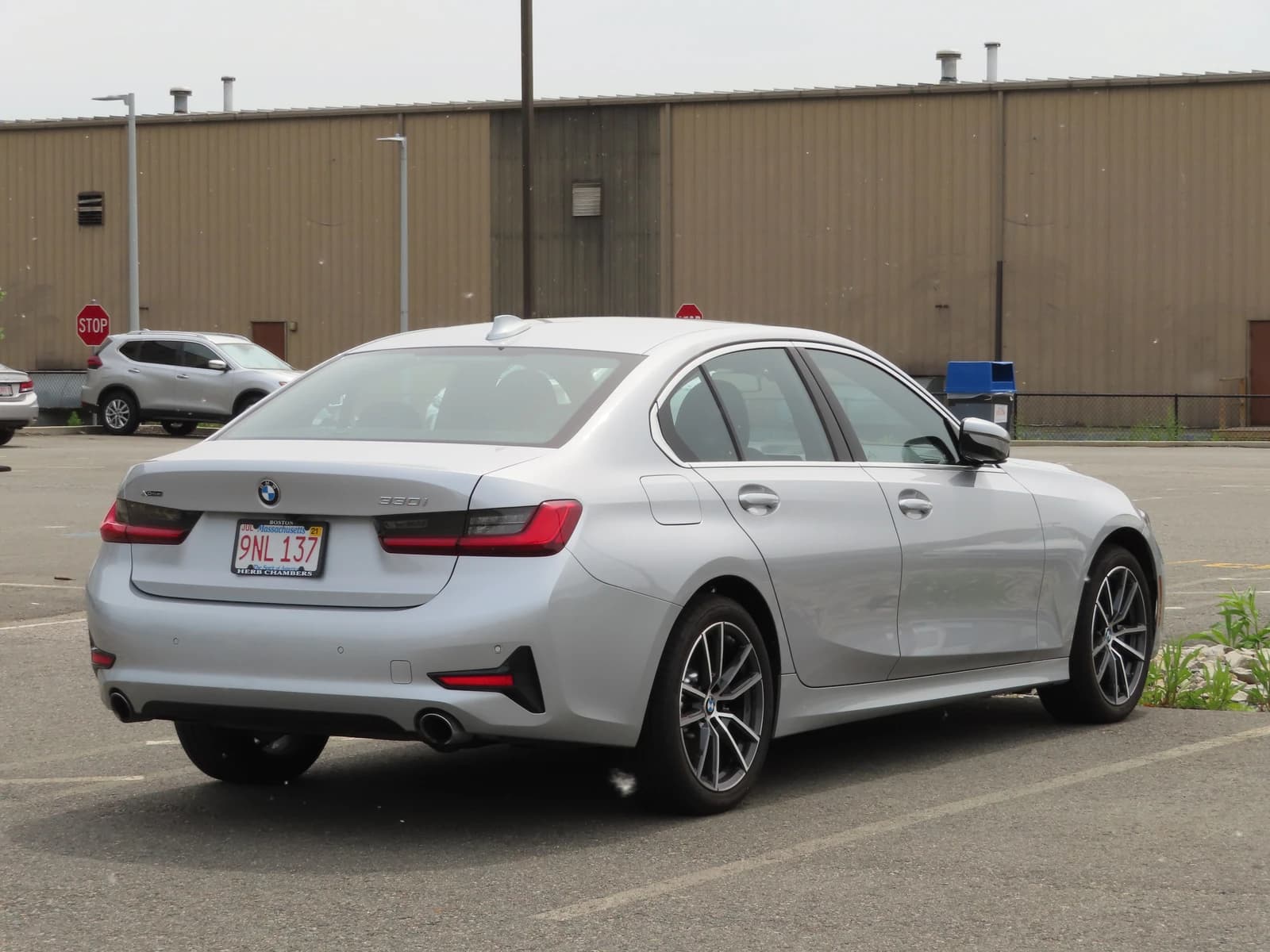
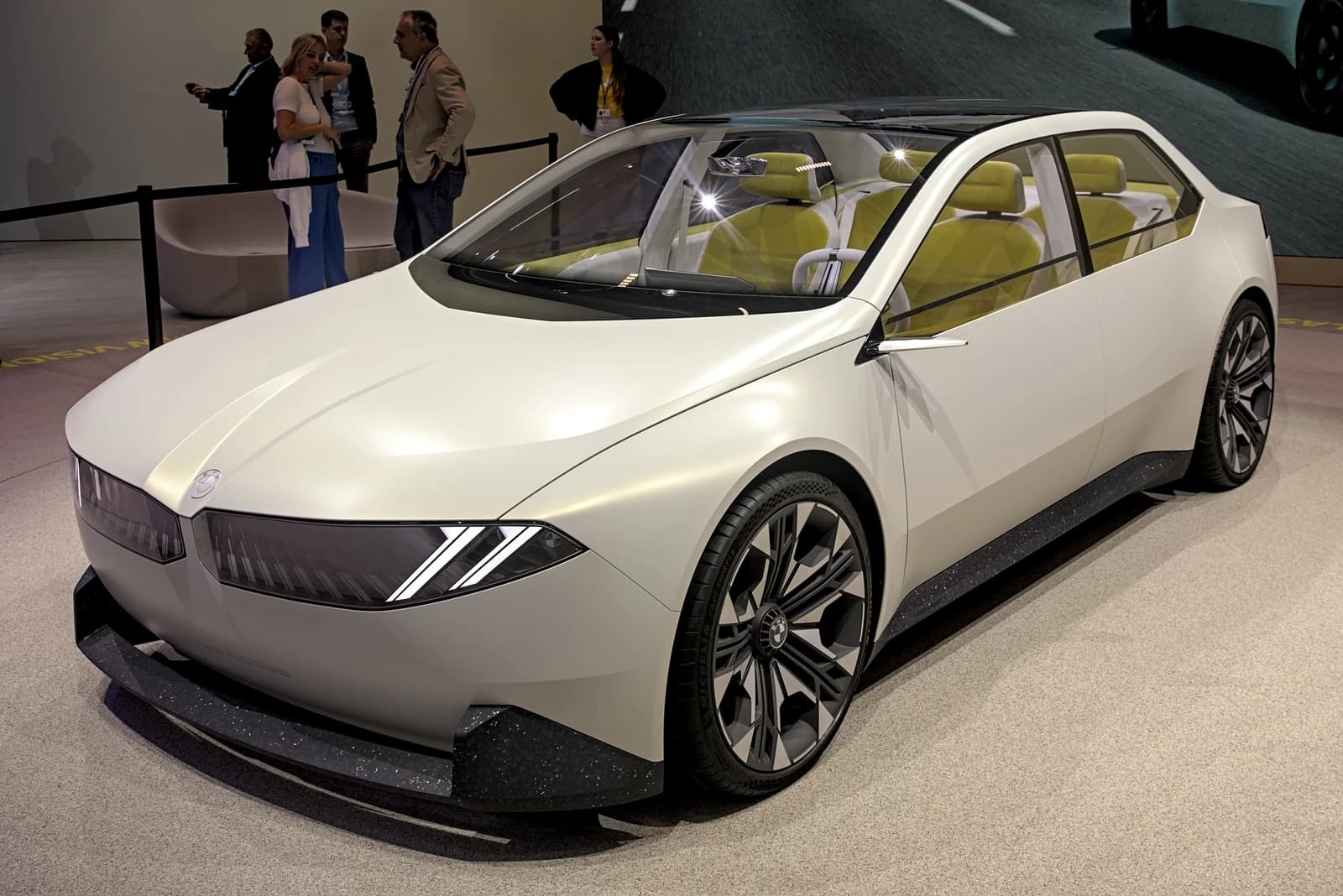
BMW is pushing its next 3 Series into the market with a clear message: premium buyers still want combustion power, but they want it wrapped in lower-emissions technology that qualifies for Spain’s ECO label.
BMW 3 Series Spain Launches With ECO Label
That matters because Europe’s mid-size sedan market is being squeezed by regulation, higher ownership costs and the shift toward electrification, yet BMW is trying to keep one of its core nameplates relevant by combining gasoline engines with 48-volt mild-hybrid systems. The strategy lets BMW defend profit-rich sedan sales against Mercedes-Benz and Audi while avoiding a hard pivot that could alienate buyers not ready for a full battery-electric switch.
In Spain, the eighth-generation 3 Series will go on sale with three trim levels — Base, M Sport and M Sport Pro — and three gasoline powertrains, all of them paired with mild-hybrid technology and therefore eligible for the ECO sticker from the DGT. BMW is not offering diesel at launch, and plug-in hybrid versions are due only next year, underscoring how the company is sequencing electrification rather than rushing it.
The entry 318 starts at 49,100 euros, with 156 horsepower and rear-wheel drive. The 320, with 211 horsepower, begins at 54,100 euros. At the top, the M350 xDrive delivers 443 horsepower and starts at 86,100 euros, keeping the model squarely in premium territory.
For investors, the more important takeaway is not the car itself but the pricing discipline behind it. BMW is using emissions compliance as a sales lever without discounting the brand’s performance image, which should help preserve margins in a segment where volume matters but brand power matters more. The ECO label also gives the 3 Series a practical edge in cities where low-emission access has become a real purchasing factor.
That is the market underestimating BMW’s advantage: it does not need to be first in full electrification to keep winning. It needs to keep premium customers in the showroom, protect pricing and offer a bridge between traditional drivetrains and the next regulatory cycle. If the new 3 Series gains traction, it could reinforce the case that BMW’s transitional strategy remains one of the industry’s best hedged bets.
The next catalyst will be demand response in Spain and, later, the arrival of plug-in hybrid versions. If BMW can sustain interest across both conventional and electrified variants, the 3 Series could become a template for how legacy automakers monetize the long middle of the EV transition. For investors, BMW remains a name to watch where the real money is: premium combustion with an emissions badge the market can still sell.
| Entity | Gains | Losses |
|---|---|---|
| BMW | ▲margin support; showroom traffic | ▼full-EV purists |
| Mercedes-Benz C-Class | ▲premium sedan demand | ▼share to BMW |
| Audi A5 | ▲segment visibility | ▼share to BMW |
| Spanish buyers | ▲ECO access; more choice | ▼lower sticker prices |