Romanian holiday packages for Christmas and New Year are up at least 20% from a year earlier, as higher fuel costs and tight operator margins are ending the deep last-minute discounts that once helped travelers cut costs.
Romanian Christmas Packages Rise 20% on Fuel Costs
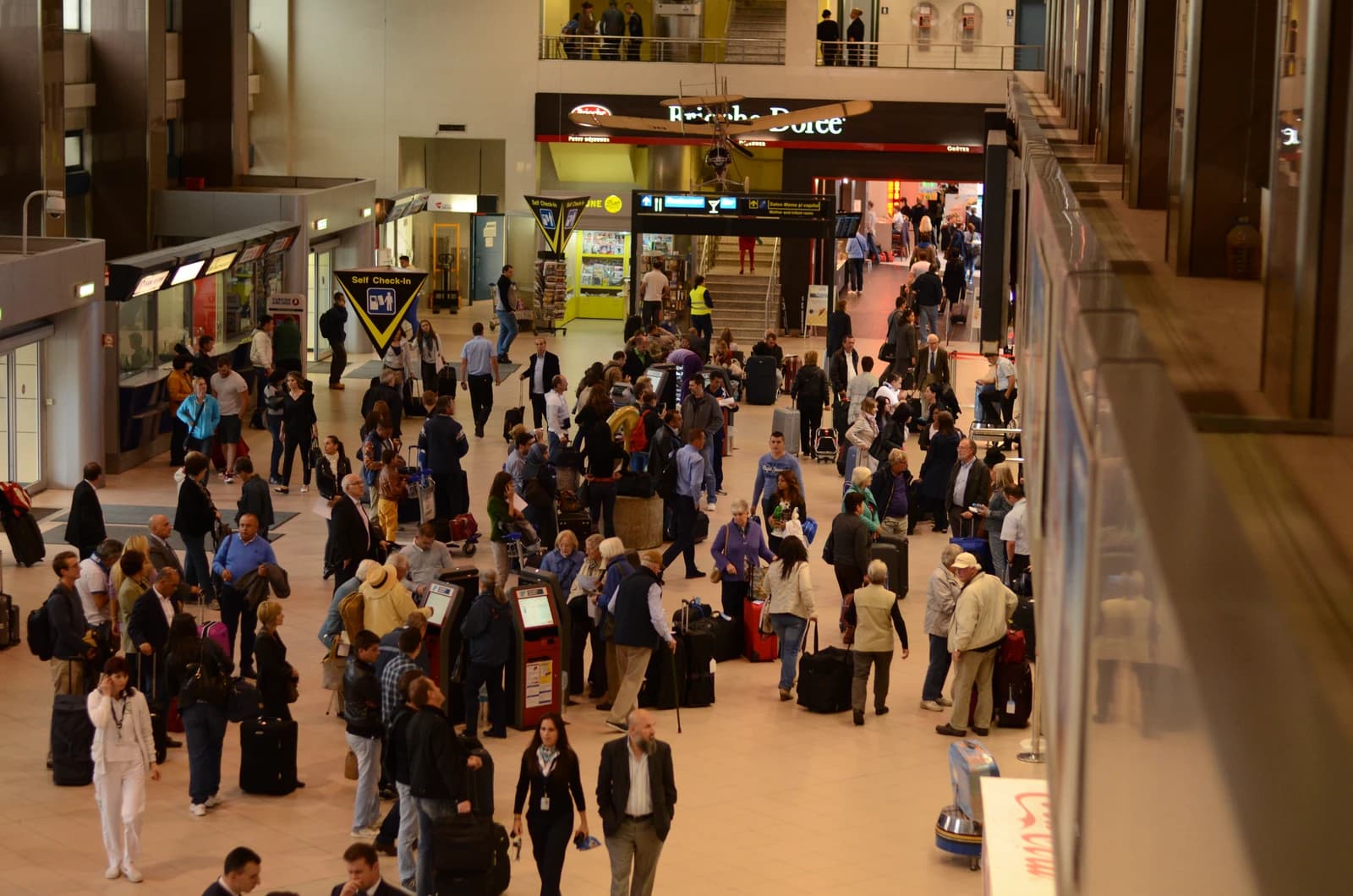
The price shock matters because winter holidays are one of the most important booking windows for Romania’s tourism industry, and the increase is being driven by transport rather than hotels. Travel agents say air and overland transport costs are running 30% to 40% above last year, while accommodation is up only about 10%, pushing package prices higher even where demand remains firm.
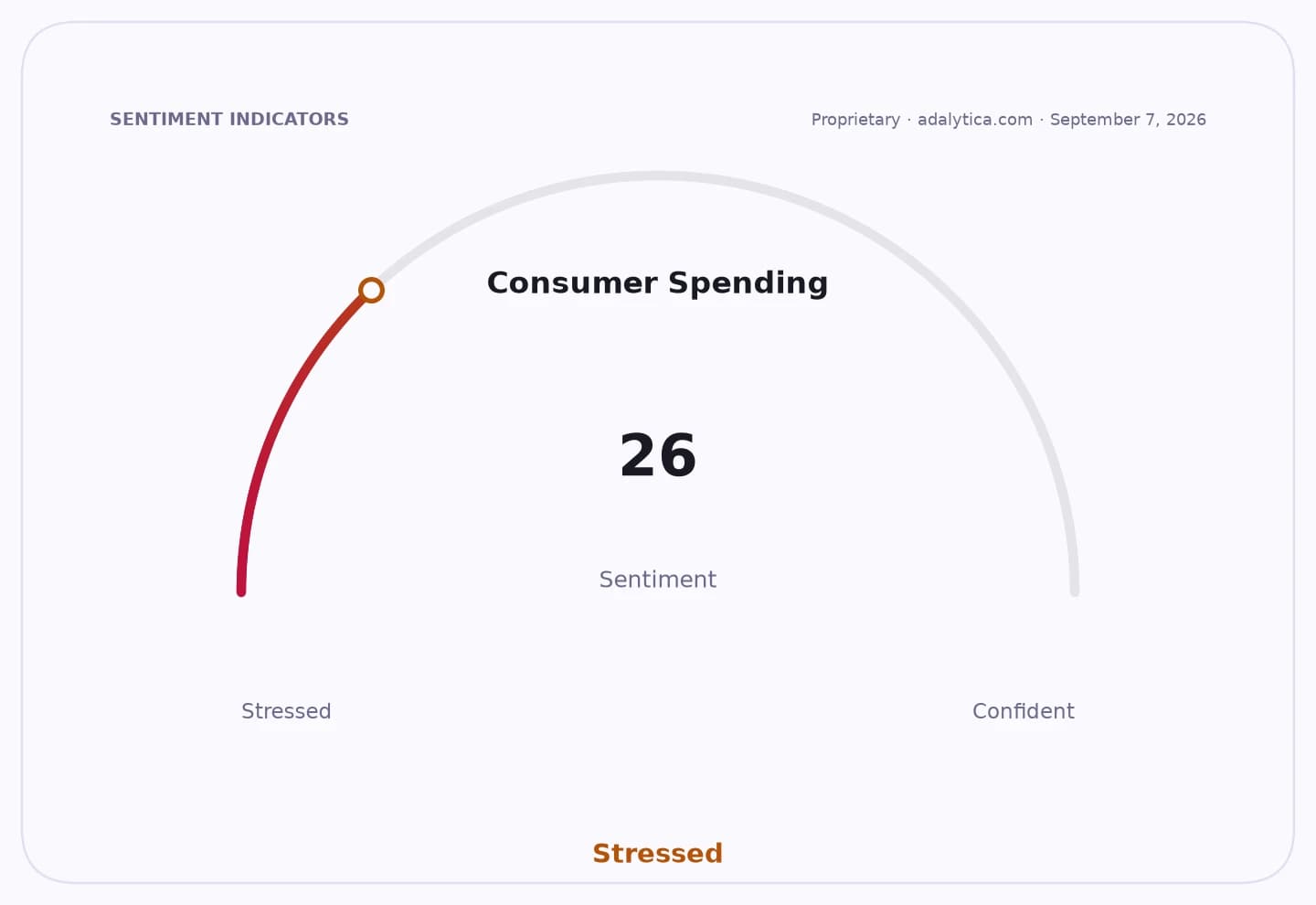
Sentiment IndicatorsⓘProprietary · adalytica.com · October 4, 2026
This is a snapshot — live sentiment, awareness and momentum for 130+ markets update continuously in the dashboard.Open AlphaPulse
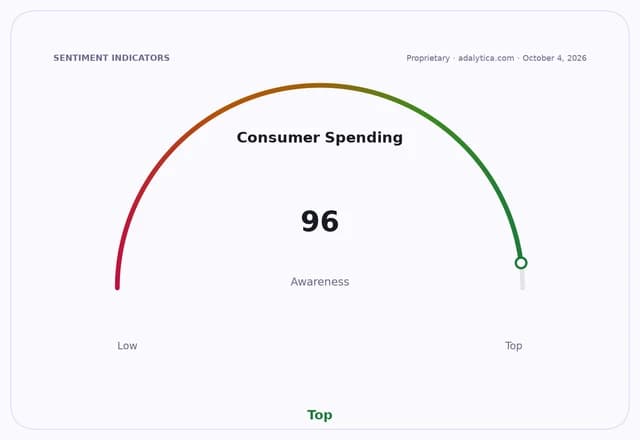
That dynamic is squeezing households just as many Romanians are still willing to travel. Agencies say winter bookings are running ahead of last year, with demand skewed toward warm-weather destinations such as Egypt, Vietnam, Thailand and the Maldives, as well as Laponia for Christmas trips. Some charter flights to Lapland are already sold out, a sign that affluent families and holiday-focused travelers are booking earlier to secure availability despite the higher price tag.
The shift is also changing consumer behavior. Travelers are moving departure dates by a few days to lower fares, with some choosing to fly on Dec. 25 or even spend New Year’s Eve in transit rather than pay peak rates. That flexibility helps offset costs, but it is also evidence that the market has moved away from the old “hunt for last-minute bargains” model. Operators say they can no longer afford large markdowns because their own operating costs have risen too much to leave room for aggressive discounting.
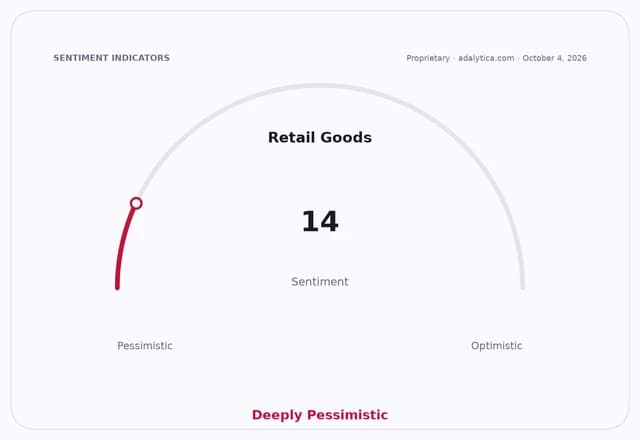
Fuel is the main pressure point. Kerosene prices have risen as the Middle East conflict drags on, lifting airline fares and, by extension, the cost of package tours that bundle flights. For Romanian travelers, that means the inflation is not just a tourism story but a broader household spending issue: more of the seasonal budget is being diverted to transport, leaving less room for discretionary spending once the trip is booked.
For the sector, the combination of resilient demand and higher ticket prices is constructive for volume, but not necessarily for affordability. Agencies may benefit from stronger advance bookings and better planning visibility, while consumers face fewer bargain opportunities and a higher barrier to travel. The bull case is that demand proves durable even at higher prices, supporting tourism revenue into year-end. The bear case is that the industry is pricing out more cost-sensitive families, which could cap growth if wage gains fail to keep up.
For investors, the message is that winter holiday travel is holding up better than summer, but with cost inflation shifting power toward operators and airlines rather than price-sensitive travelers. In an environment where consumers are still willing to spend on experiences, the winners are the operators that can secure capacity early; the losers are bargain hunters and any travel business relying on deep discounts to fill late inventory.
| Entity | Gains | Losses |
|---|---|---|
| Travel agencies / tour operators | ▲Higher package revenue | ▼Less room for discounts |
| Airlines | ▲Stronger fare pricing | ▼Price-sensitive demand |
| Romanian holidaymakers | ▲More destination choice | ▼Higher travel bills |
| Last-minute bargain hunters | ▲Fewer bargains | ▼Higher peak-season costs |