Greek tourism is still doing the heavy lifting for the country’s external accounts, but the latest figures show a crucial shift that investors should not ignore: receipts are rising mainly because more people are arriving, while spending per visitor is losing momentum once inflation is stripped out.
Greece Tourism Receipts Rise as Spending Per Visitor Slows

That matters because tourism is not just a seasonal success story for Greece. It is one of the economy’s most important hard-currency engines, helping offset the goods trade deficit and stabilizing the services balance. In a country where the external account remains a structural constraint, every extra euro from tourism improves resilience.
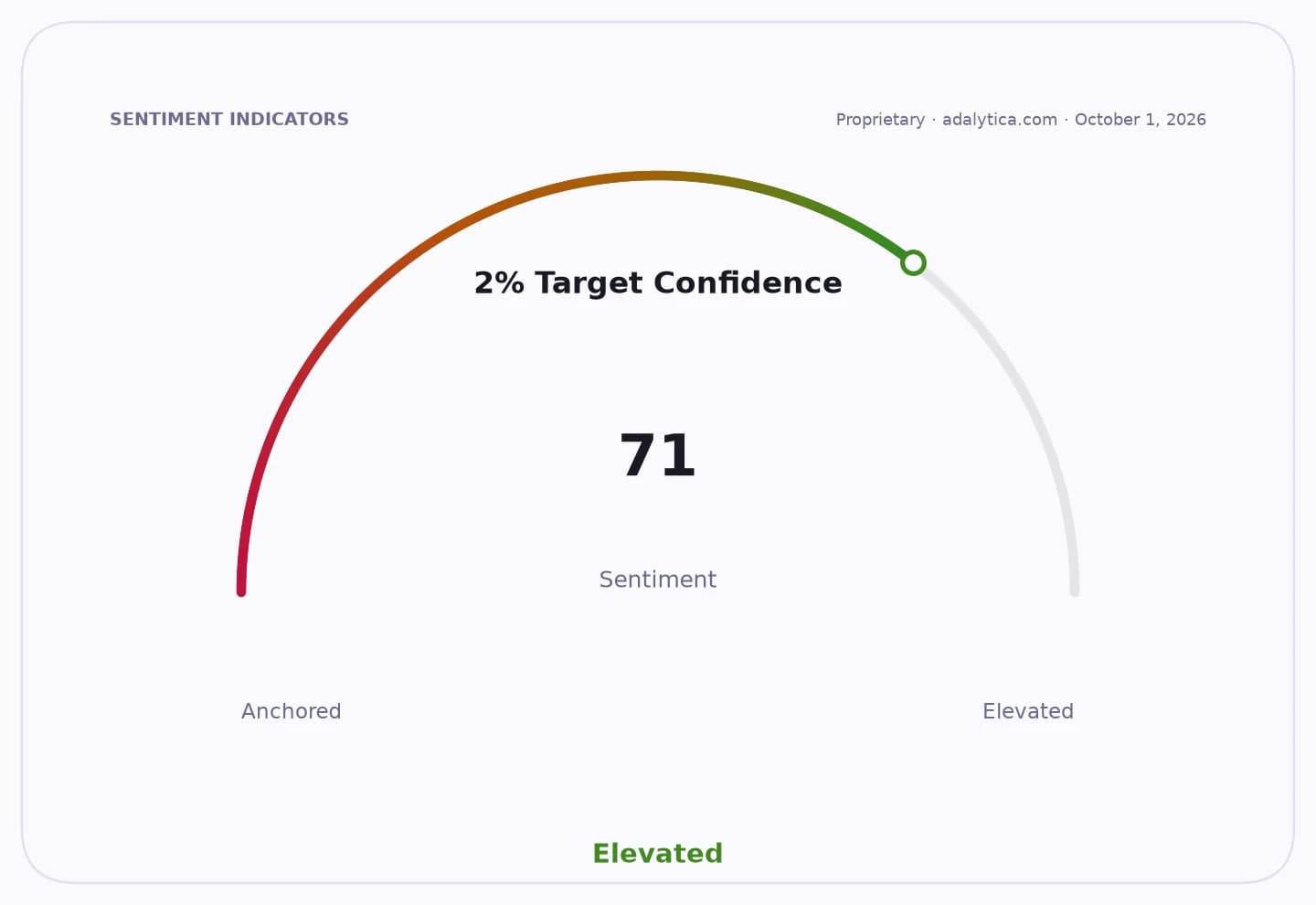
Sentiment IndicatorsⓘProprietary · adalytica.com · October 2, 2026
This is a snapshot — live sentiment, awareness and momentum for 130+ markets update continuously in the dashboard.Open AlphaPulse
Travel receipts reached €13.5 billion in the January-July period, up 12% from €12.1 billion a year earlier, according to the Bank of Greece. The tourism surplus widened to €11.2 billion, while July receipts alone rose 7.2% to €4.7 billion. But the quality of that growth is more mixed than the headline number suggests.
July showed the tension most clearly. Arrivals fell 3.1% to 6.6 million, yet average spending per trip climbed 10% to €685.4. That boost was helped by higher prices in hotels, cafes and restaurants, where the harmonized consumer price index rose 4.2% in July. Over the full seven months, however, arrivals were the main driver: visitor numbers rose 8.6% to 20 million, while average spending per trip increased just 2.9% to €642.5, below the 5.4% rise in prices in the same tourism-linked category.
That gap is the “bell” in the data. It suggests real travel spending is expanding more slowly than the nominal figures imply. For Greece, that means the sector remains powerful, but it is leaning heavily on volume rather than higher-value tourism. That leaves the economy exposed if visitor flows soften, especially after tourism’s share of the services surplus rose to 91.4% on a rolling 12-month basis, versus 61.9% on average in the five years before the debt crisis.
For investors, the implication is straightforward: the winners are the carriers, hotel operators, online travel platforms and local service providers tied to Mediterranean demand, but the market should be wary of assuming endless pricing power. The data supports the broad travel trade, yet it also argues for selectivity. Companies with exposure to premium demand, direct bookings and better ancillary spend should outperform those relying on simple traffic growth.
That is why the tourism story in Greece is also a productivity story. The country has built a reliable foreign-exchange cushion, but the next leg of value creation will come from lifting spend per visitor, lengthening stays and diversifying services exports beyond pure leisure travel. If that does not happen, growth remains solid — but fragile.
For now, the trend is still constructive for Greece’s travel economy and for global travel names with exposure to southern Europe. But the smarter trade is not to chase arrivals alone. The opportunity lies in businesses that can convert tourism volume into higher-margin spending, because that is where the next upside surprise will come from.
| Entity | Gains | Losses |
|---|---|---|
| Greece tourism sector | ▲Hard-currency inflows | ▼Exposure to visitor swings |
| Hotels and restaurants | ▲Higher nominal receipts | ▼Real spending pressure |
| Travel platforms and airlines | ▲Stronger visitor volumes | ▼Softer per-trip spend |
| Consumers in Greece traveling abroad | ▲Lower relative importance | ▼Rising outbound travel costs |