Greece’s inflation rebound to 3.7% in August, combined with a fresh surge in global energy prices in September, is reviving the biggest threat to the recovery: weaker household spending and softer exports in the second half of the year.
Greece Inflation Rebounds as Energy Prices Rise
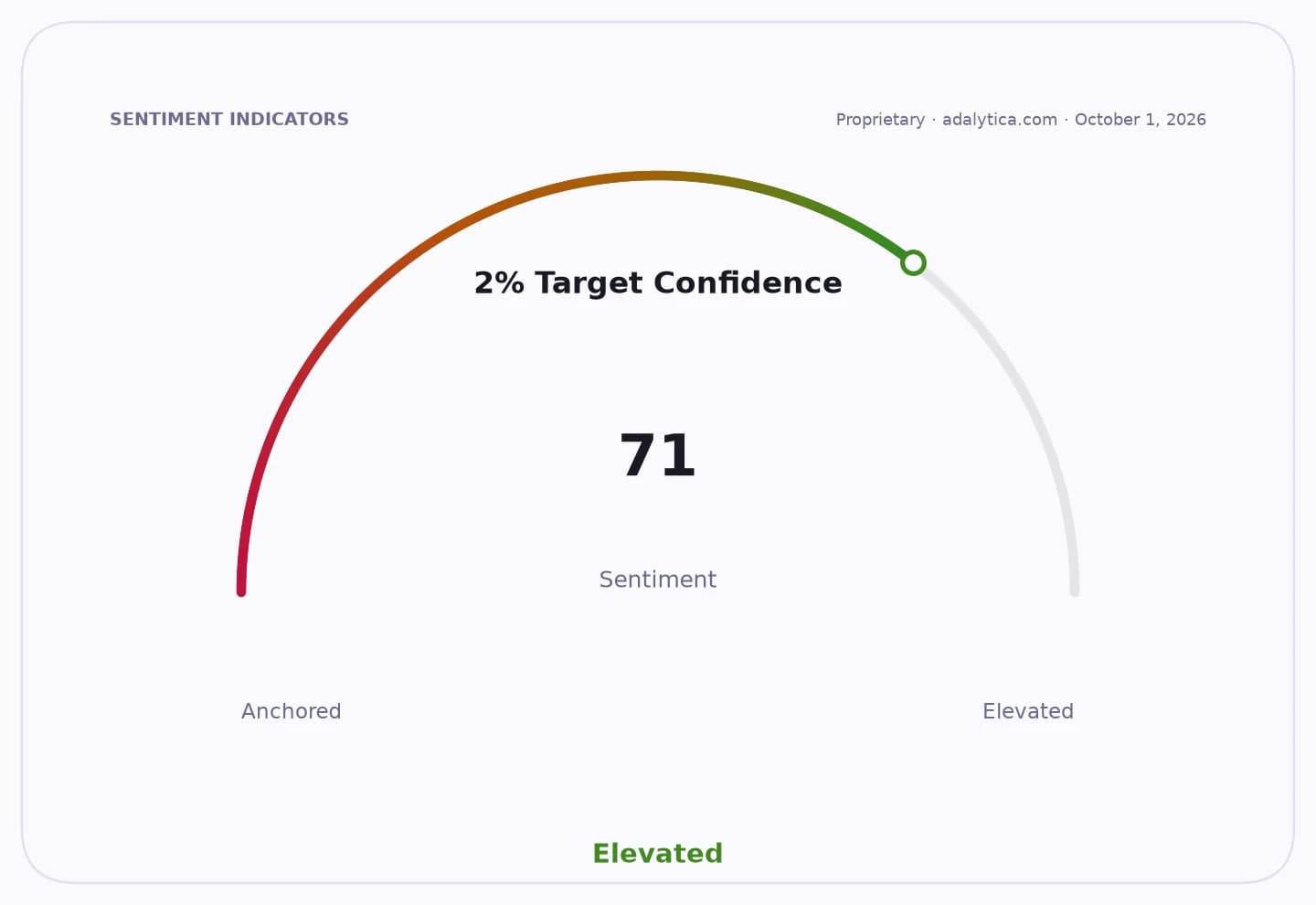
That matters because Greece has leaned heavily on private consumption and tourism-linked services to keep growth resilient. If energy costs stay elevated, the shock will hit twice — first through fuel and utility prices, then through the broader pass-through into goods and services. For investors, that raises the odds of stickier inflation, tighter real incomes and slower earnings momentum for consumer-facing sectors, even as the economy has so far held up better than feared.
Sentiment IndicatorsⓘProprietary · adalytica.com · October 1, 2026
This is a snapshot — live sentiment, awareness and momentum for 130+ markets update continuously in the dashboard.Open AlphaPulse
Eurobank said the risk is now back in focus after inflation accelerated from a nine-month low of 2.7% in July, with Greece running above the eurozone’s 3.2% reading in August. The bank warned that persistent energy prices could deepen price pressures directly and indirectly, while eroding households’ purchasing power. The timing is awkward: the next eurozone inflation flash estimate arrives Oct. 2, followed by Greece’s national figures on Oct. 9, giving markets a near-term read on whether the September energy spike is already feeding through.
The structure of Greek inflation makes the warning more serious. Services contributed 2.2 percentage points to August inflation, by far the largest share, while energy added 1.2 points. That means the inflation problem is not just imported fuel volatility; it is already embedded in the domestic cost base. On a cumulative basis, unprocessed food prices are up 47.6% versus pre-pandemic levels, energy 34.7%, and services 21.1%. That combination is exactly what squeezes discretionary spending and keeps pressure on margins for businesses that cannot fully pass costs on.
So far, the hard data has not cracked. Private consumption rose 0.9% quarter-on-quarter in the second quarter, while goods exports climbed 2.9%, helped partly by demand for refined petroleum products. Services exports, however, fell 1.4% from the prior quarter, showing how fragile external demand can be even when tourism remains strong. Eurobank’s key point is that those figures predate the latest energy jump, so the real test comes in coming months.
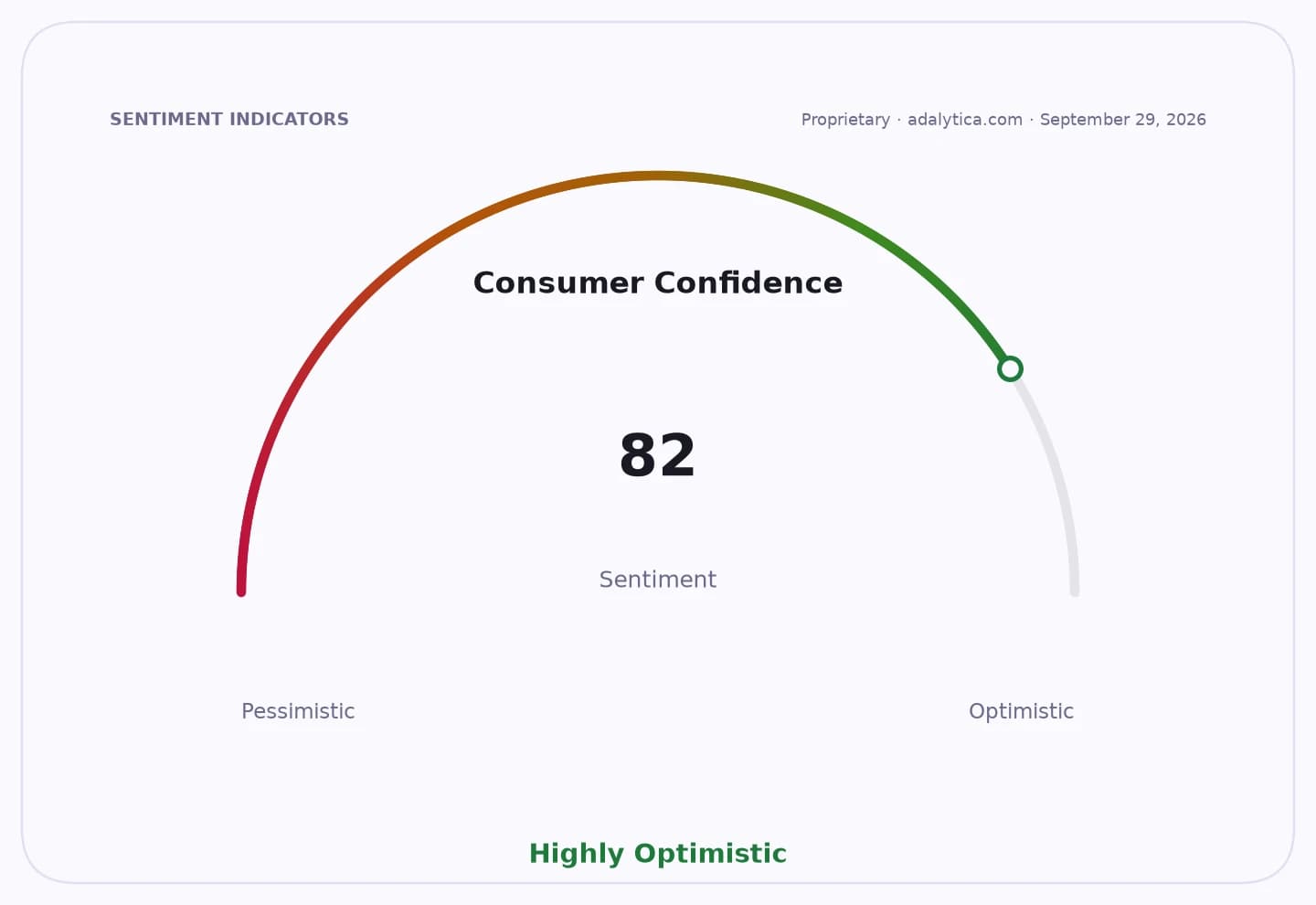
The good news is that confidence and activity indicators still point to resilience. The economic sentiment index was 106.9 in August, well above its long-run average of 100, consumer confidence improved to a 15-month high, and manufacturing PMI rose to 54.4, signaling expansion. But those readings are backward-looking. They do not yet capture the September flare-up in oil and gas markets tied to tensions in the Middle East and the Russia-Ukraine war.
For markets, the message is not to fade Greece’s recovery, but to recognize the asymmetry. Higher energy prices are a tax on consumers and importers, while exporters face weaker foreign demand if Europe slows. That makes the next inflation prints and activity data critical. If the pass-through accelerates, the Greek story shifts from resilient growth to margin pressure, softer consumption and a more cautious outlook for cyclical assets.
I believe the better trade here is to stay selective: favor exporters, utilities with pricing power and businesses tied to infrastructure and capital spending, while staying cautious on discretionary retail, travel-sensitive margins and energy-intensive industries. Greece still has a growth case, but the market is underestimating how quickly an energy shock can squeeze the real economy.
| Entity | Gains | Losses |
|---|---|---|
| Energy producers | ▲Higher prices, stronger revenue | ▼Consumer demand backlash |
| Greek households | ▲None | ▼Real income squeeze |
| Exporters with pricing power | ▲Stronger pass-through | ▼Slower foreign demand |
| Consumer discretionary firms | ▲None | ▼Weaker spending, margin pressure |