AKTOR’s management is using a strong liquidity position to argue that the group can fund its next phase of expansion even as Greece’s construction market remains bogged down by delays, payment gaps and political pressure around major tenders and energy policy.
AKTOR cash boost funds 3 billion euro expansion
Chief executive Alexandros Exarchou said the group now has more than 1.1 billion euros of available cash after a recent capital increase and bond issue worth 950 million euros, giving substance to a 3 billion-euro investment plan that is beginning to move from strategy to execution. That matters because AKTOR is trying to reposition itself from a traditional contractor into a wider infrastructure and energy platform, and the ability to self-fund acquisitions and projects is central to whether that transition is credible.
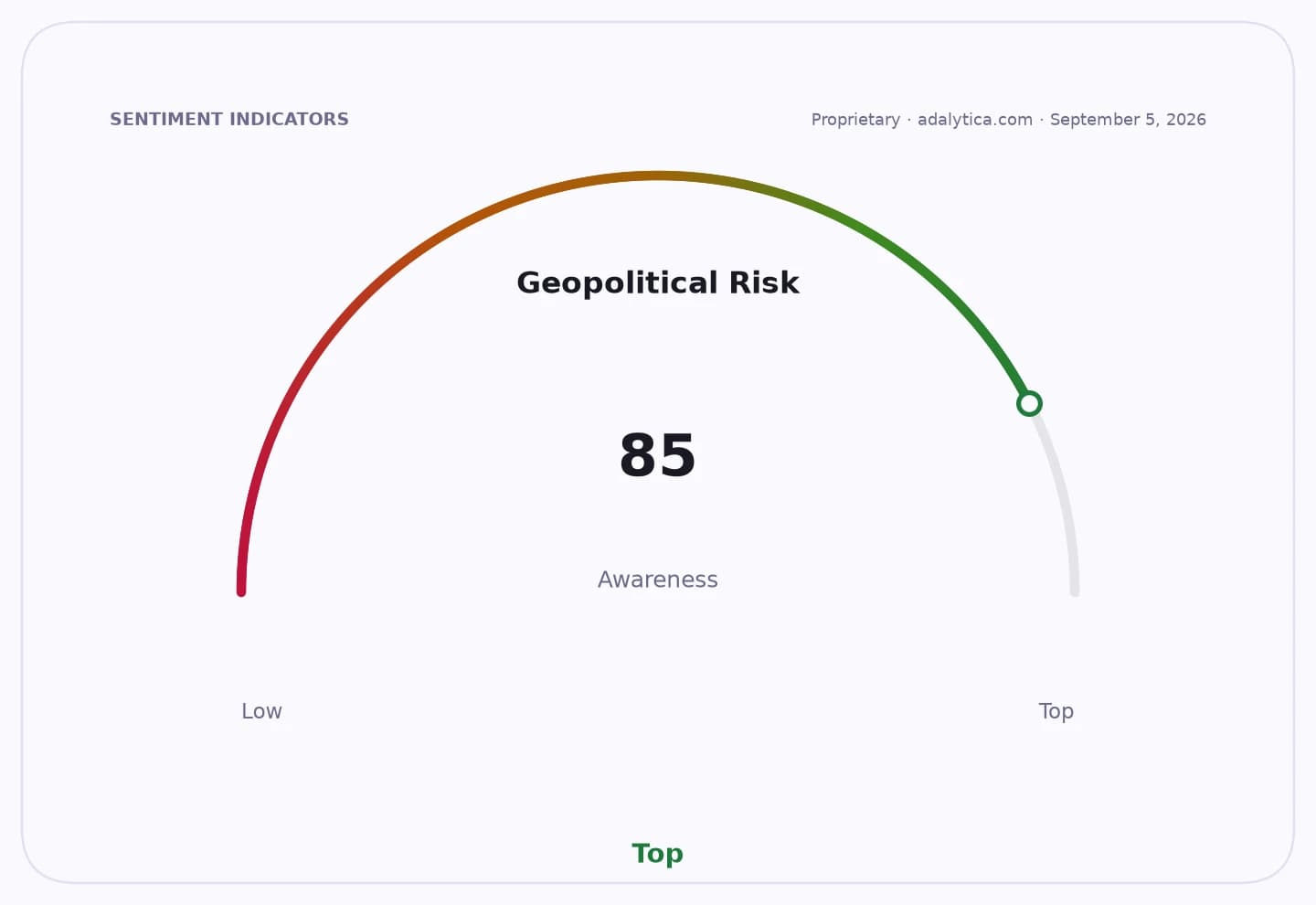
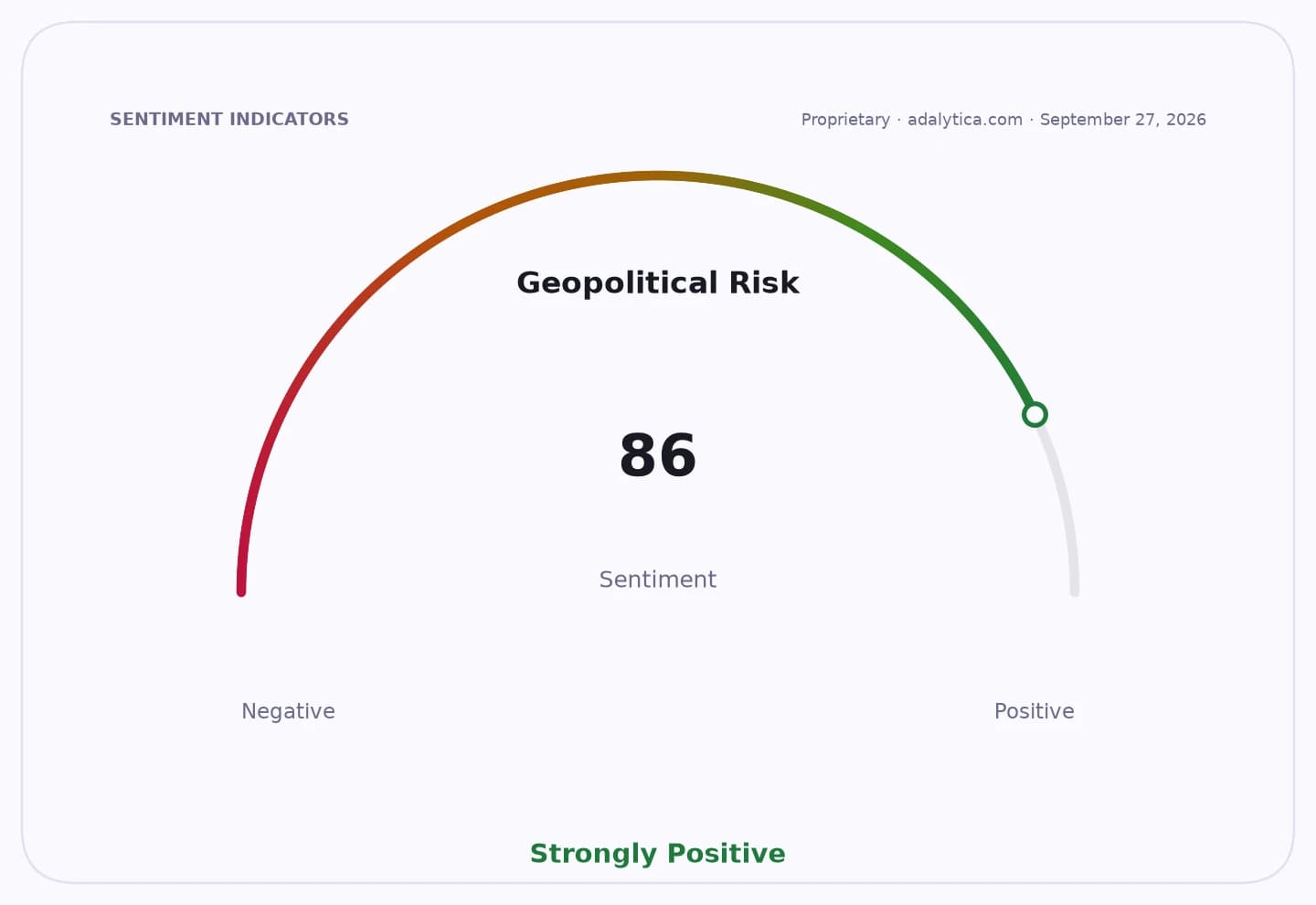
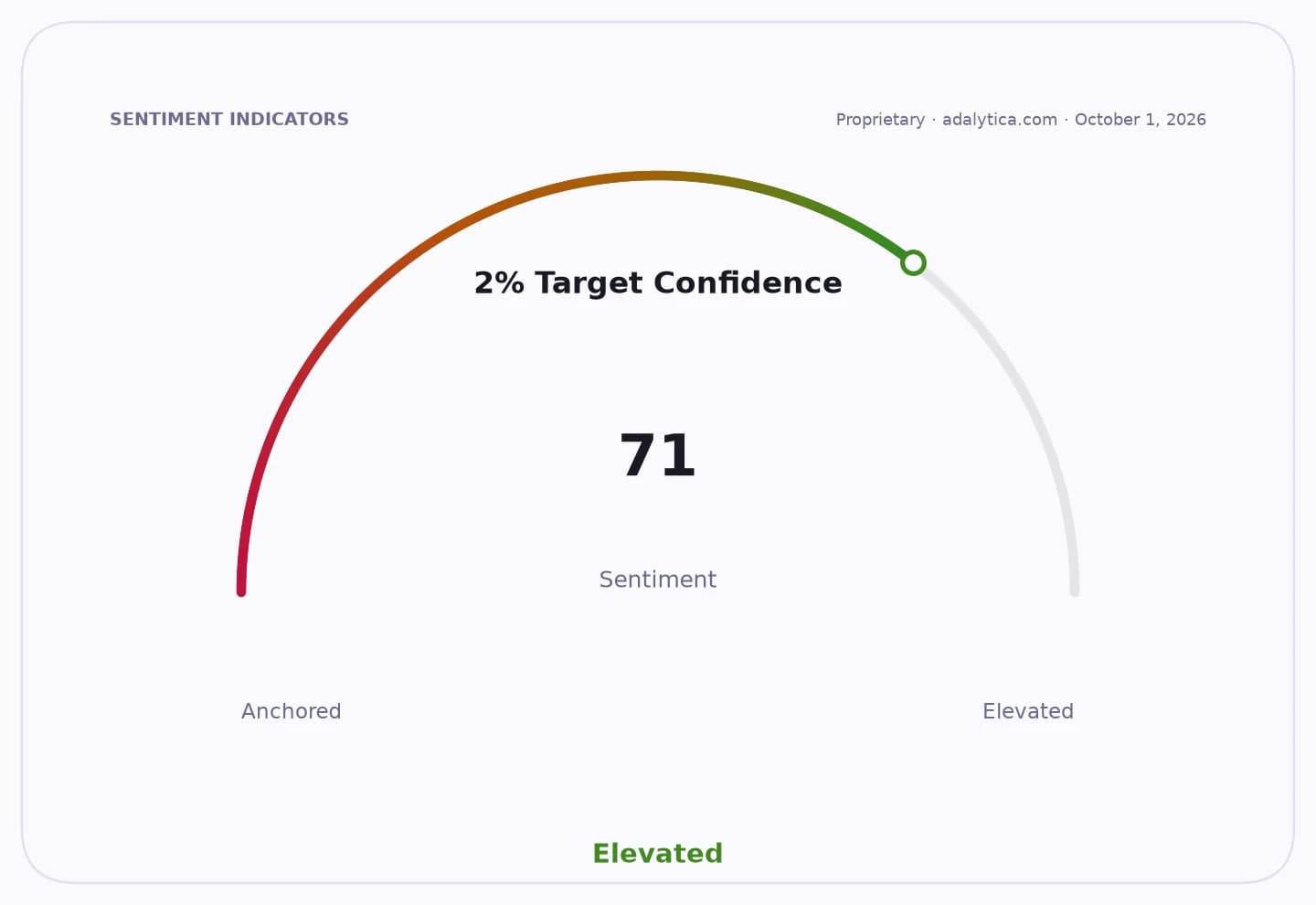
Sentiment IndicatorsⓘProprietary · adalytica.com · September 30, 2026
This is a snapshot — live sentiment, awareness and momentum for 130+ markets update continuously in the dashboard.Open AlphaPulse
The company’s message was also a rebuttal to concerns circulating in Greece’s construction sector about leverage. Exarchou said AKTOR’s net debt was 429 million euros, or 1.9 times EBITDA, adding that on a non-recourse basis the group effectively has a net cash position of about 420 million euros. He argued that if the Moreas concession is stripped out, leverage falls below one times EBITDA and net cash rises above 700 million euros. In a sector where liquidity and bankability determine who can win large contracts, that is meant to reassure investors, counterparties and lenders that AKTOR can keep bidding while others may be constrained.
The timing is important. Greece’s infrastructure pipeline is still large, but execution has been uneven, with expropriations, archaeological finds, design changes and approval delays pushing back schedules and payment flows. Exarchou acknowledged delays on sites, but framed them as structural frictions in public works rather than a company-specific weakness. He also said AKTOR financed 150 million euros of Recovery Fund projects in July from its own balance sheet, underlining how working capital demands can strain even well-capitalised contractors.
The group is now looking to complete the purchase of 50% of Dioryga Gas from Motor Oil within two months, while the acquisition of waste-management assets Thalis and Hlector is due in the first quarter of 2027. Those deals place AKTOR deeper into energy, gas logistics and environmental services — businesses with recurring cash flow and strategic relevance at a time when Greek infrastructure capital is rotating toward grids, storage and regulated or quasi-regulated assets.
Exarchou also sharpened his criticism of the state’s handling of the energy transition. He said the government’s goal of cutting household power bills by 30% over three years looked unrealistic without a much faster build-out of large-scale storage, especially battery systems above 100 MW. That warning carries economic weight because Greece, like much of Europe, is trying to integrate more renewables without forcing producers into curtailment or pushing costs back onto consumers. If storage lags, renewable output is wasted, project revenues come under pressure and financing costs rise.
His comments also echo a broader policy debate in Athens and Brussels over how to balance cheap power, grid stability and investor returns. Exarchou argued that storage should be liberalised and that limiting standalone batteries serves no public interest if capacity is insufficient. He warned that curtailment could exceed 20%, a level that would squeeze renewable cash flows and raise financing risk for banks. For investors in Greek power and infrastructure, that is a direct reminder that the economics of renewables increasingly depend on who controls storage and grid access, not just who owns generation.
He was equally blunt on retail electricity, saying the market could be reshaped by the Public Power Corp.’s fixed tariff if households migrate to the dominant utility in search of price certainty. That would pressure smaller suppliers and could accelerate consolidation in a market already strained by wholesale volatility, theft losses and thin margins. AKTOR has not yet decided whether to enter power supply, but Exarchou’s comments suggest it is watching for a more defensible entry point rather than rushing into a crowded field.
On natural gas, Exarchou warned that Europe risks facing another period of tight LNG supply and higher prices if it fails to lock in cargoes and rebuild stocks before winter. He said the continent should avoid replacing dependence on Russian gas with dependence on US LNG alone, and instead secure multiple sources. That matters for investors because LNG pricing feeds directly into European electricity costs, industrial competitiveness and the economics of terminals, shipping and gas-linked infrastructure such as AKTOR’s Dioryga Gas acquisition.
His remarks also touched the politically sensitive cancellation of the 1.3 billion-euro tender for the expansion of Athens airport, where he said there may have been pressure around the project, though he accepted the official explanation that the initial technical solution was no longer suitable. The issue is not just one contract: it highlights how political and regulatory uncertainty can reshape the award of Greece’s biggest infrastructure jobs and affect bidders’ willingness to commit capital.
| Entity | Gains | Losses |
|---|---|---|
| AKTOR | ▲Capital flexibility | ▼Skepticism over leverage |
| Public Power Corp. | ▲Fixed-tariff demand | ▼Smaller suppliers |
| Renewable developers | ▲Storage investment case | ▼Curtailment losses |
| LNG exporters/terminals | ▲Higher European demand | ▼Buyers facing tighter prices |