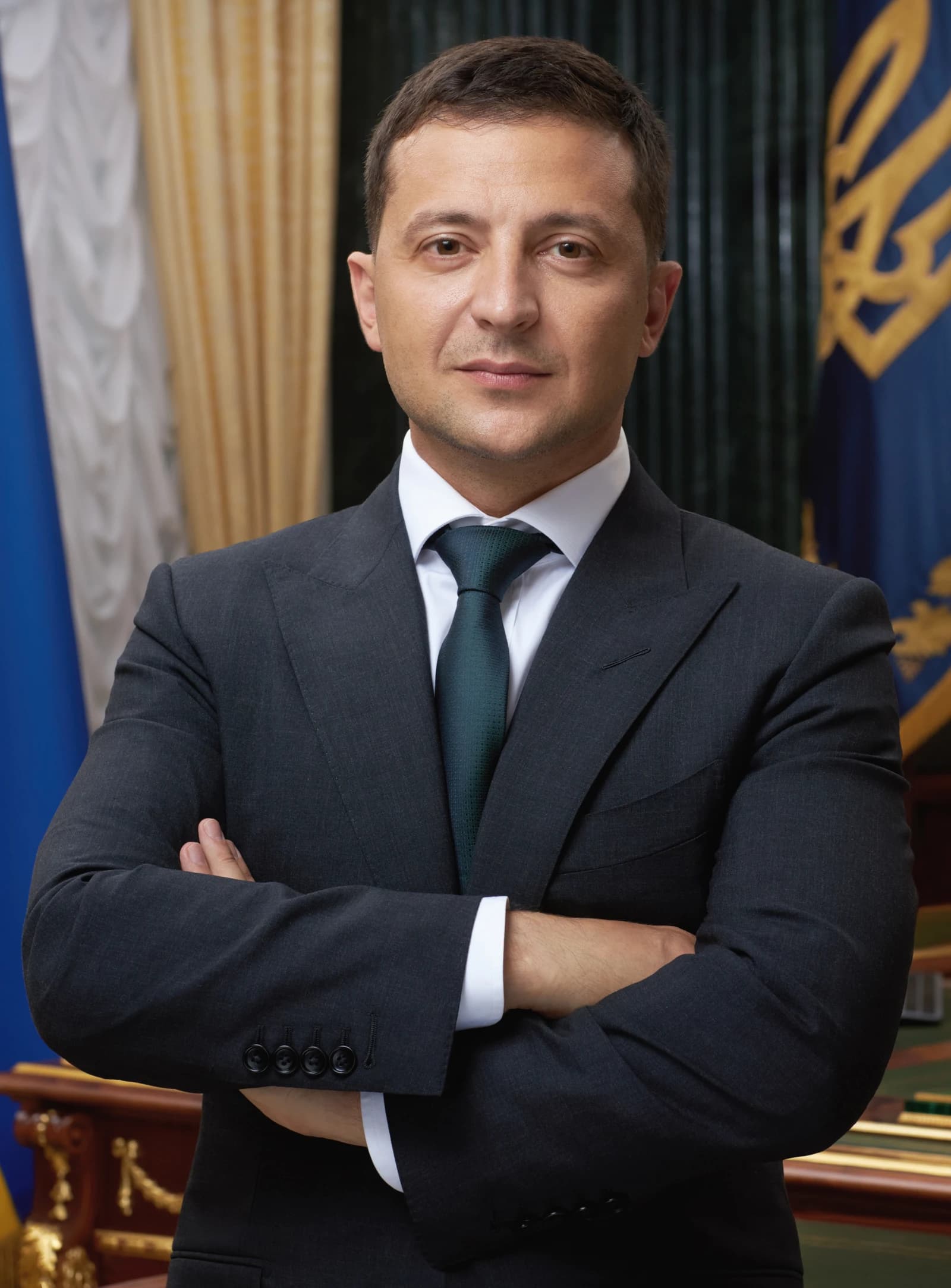
Kyriakos Mitsotakis is using New York to sell a bigger bet on Greece: stable public finances, faster energy development and a reform story designed to pull in capital from ExxonMobil, global investors and banks.
Greece pitches investment, ExxonMobil exploration in New York
That pitch matters because Greece is trying to convert improved borrowing costs and a recovered market profile into actual investment flows. The government wants foreign money not just for prestige, but to finance energy exploration, expand productive capacity and keep growth ahead of the euro area while the cost of capital in Europe remains elevated.
Sentiment IndicatorsⓘProprietary · adalytica.com · September 27, 2026
This is a snapshot — live sentiment, awareness and momentum for 130+ markets update continuously in the dashboard.Open AlphaPulse
The timing is not accidental. The prime minister is telling investors that Greece now borrows at a lower cost than four Group of Seven countries, a striking marker for a country that was once the symbol of the euro zone debt crisis. For portfolio managers and lenders, that comparison is shorthand for a larger message: sovereign risk has fallen enough to reopen the conversation about long-duration commitments, project finance and strategic infrastructure.
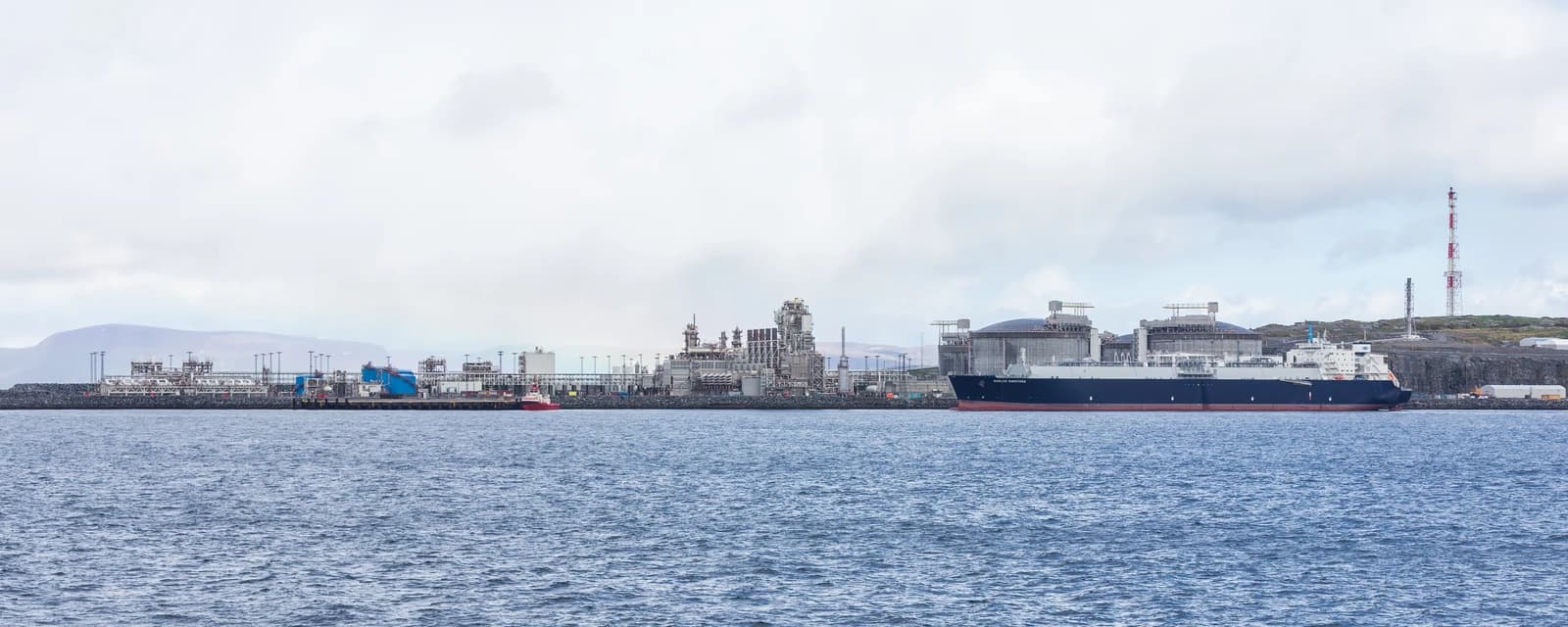
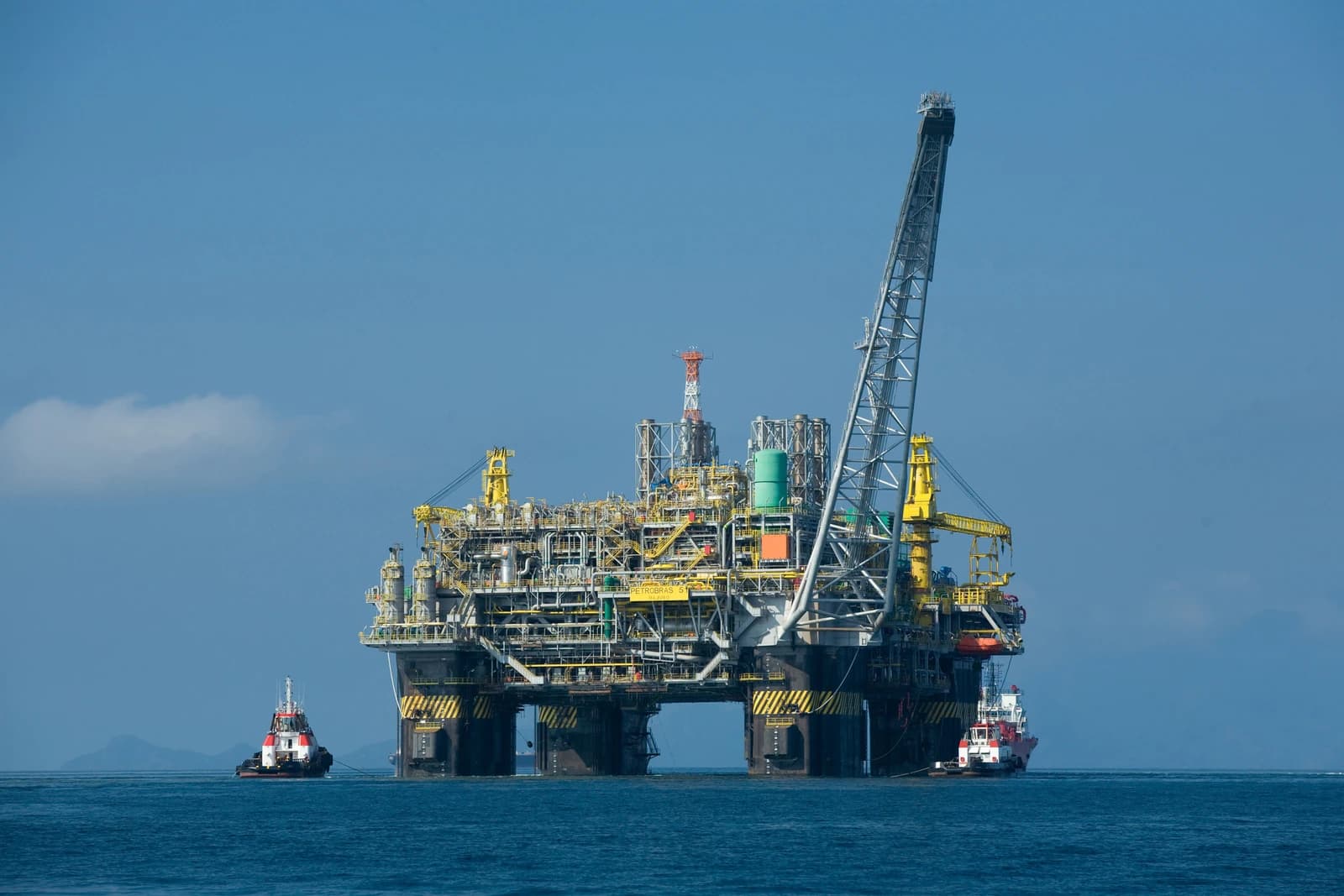
The most commercially sensitive meeting is with ExxonMobil. Athens is pressing for faster progress on hydrocarbon exploration, with the Block 2 area in the northwestern Ionian already on track for exploratory drilling in February 2027 after earlier talks in Houston with ExxonMobil and Chevron. If those timelines hold, Greece could move closer to proving whether offshore prospects are merely geopolitical talking points or actual commercial assets.
That is why the energy angle is more than symbolism. In a world where Middle East tensions can whip up oil prices and freight costs, countries with credible domestic or regional supply options gain leverage. Greece is trying to position itself as one of them, while also protecting its shipping sector and its role in European energy security. For Exxon, the attraction is not just acreage, but a policy environment that is increasingly friendly to capital-intensive, long-dated projects.
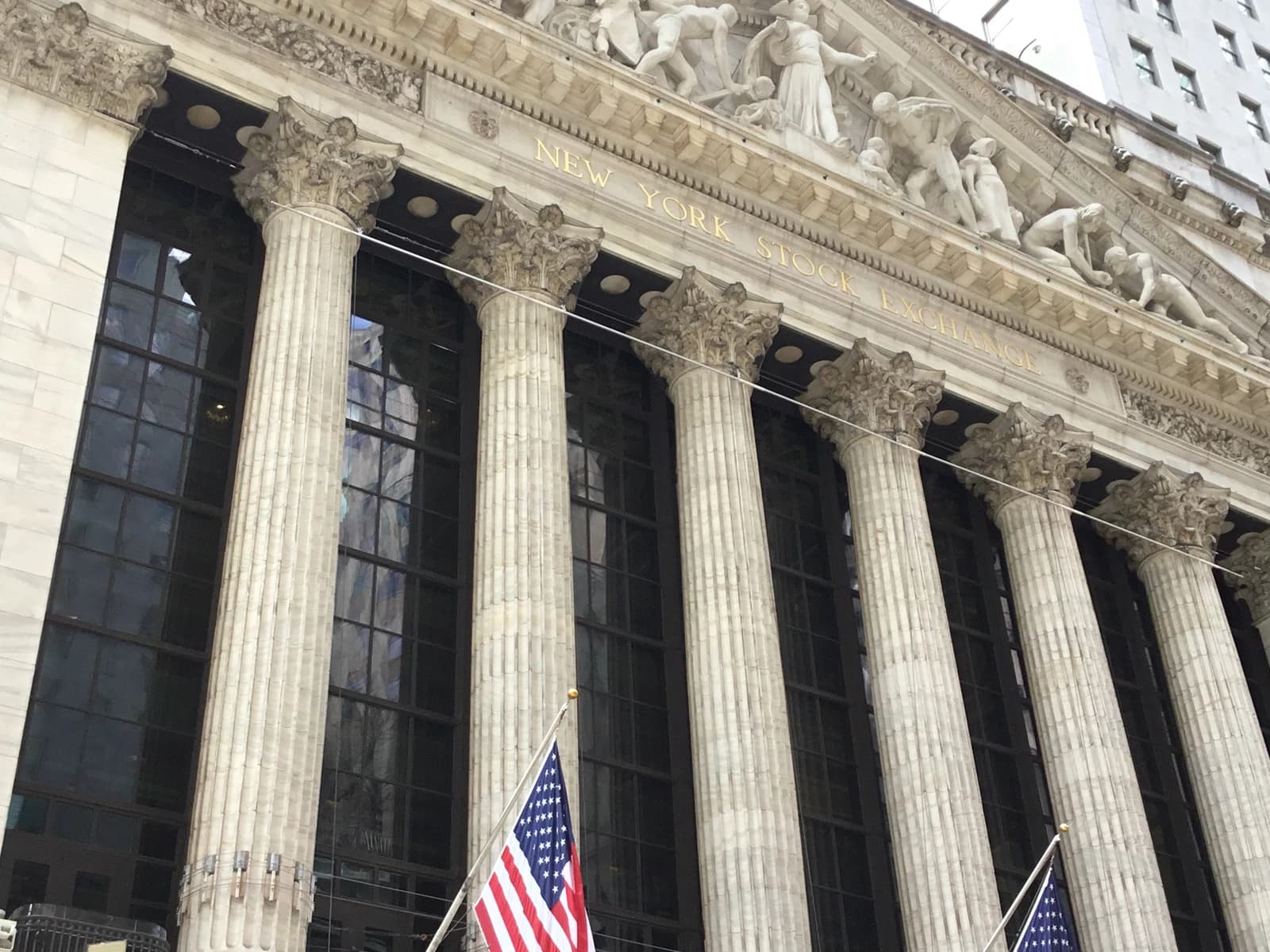
Investors are likely to read the New York meetings as part of a broader capital-markets campaign. Greece has been leaning hard into a narrative of fiscal discipline, primary surpluses, foreign investment and falling unemployment, and it is trying to turn that into a lower equity risk premium as well as cheaper debt. The country’s push for fast-track licensing and investment incentives reinforces the message that it wants capital to move quickly from presentation decks into projects.
That creates an investable setup beyond Greece itself. Energy majors, oilfield-service names and banks stand to benefit if offshore work accelerates and project finance expands. ExxonMobil looks like a direct beneficiary if exploration advances, while global lenders gain from a pipeline of syndicated financing, advisory work and infrastructure lending tied to Greek and regional energy projects.
The market backdrop also helps the case. Brent-sensitive geopolitics, strong U.S. equity sentiment and a bid for hard assets have kept strategic energy names in focus, while the technical picture in ExxonMobil remains constructive with the stock above both its 50-day and 200-day moving averages and its recent rebound leaving it close to the upper end of its trading band. Goldman Sachs and JPMorgan, meanwhile, remain the kind of banks that benefit when sovereigns and multinationals start shopping for capital, even as their shares have recently cooled from earlier highs.
The bigger narrative is that Greece is no longer just asking for trust; it is trying to monetize it. If Mitsotakis can persuade Exxon, major investors and banks that the country’s policy regime is durable, the payoff could be a new cycle of capital formation in energy, infrastructure and financing. For investors, the opportunity is to own the toll collectors, not just the builders.
| Entity | Gains | Losses |
|---|---|---|
| Greece | ▲capital inflows; energy investment | ▼slow project execution |
| ExxonMobil | ▲new exploration upside | ▼waiting on permits/timelines |
| Banks | ▲lending and advisory fees | ▼capital tied up if projects stall |
| Oilfield and energy services | ▲drilling and project activity | ▼weak upstream spending elsewhere |