Ukraine’s state energy company Naftogaz is deepening its reliance on European partners to keep gas and fuel flowing after Russian strikes battered domestic production, and that makes Tuesday’s new agreement with Poland’s ORLEN economically meaningful well beyond the headline cargoes.
Naftogaz signs LNG and fuel supply deal with ORLEN
The two companies signed memoranda for three liquefied natural gas cargoes in the first quarter of 2027 and up to $500 million of petroleum-product supply for Ukraine, a deal that reinforces a supply network Naftogaz has spent the past year stitching together across Europe. For Ukraine, the immediate value is resilience: every additional route reduces the risk that winter demand, refinery disruptions or battlefield attacks translate into physical shortages and price spikes.
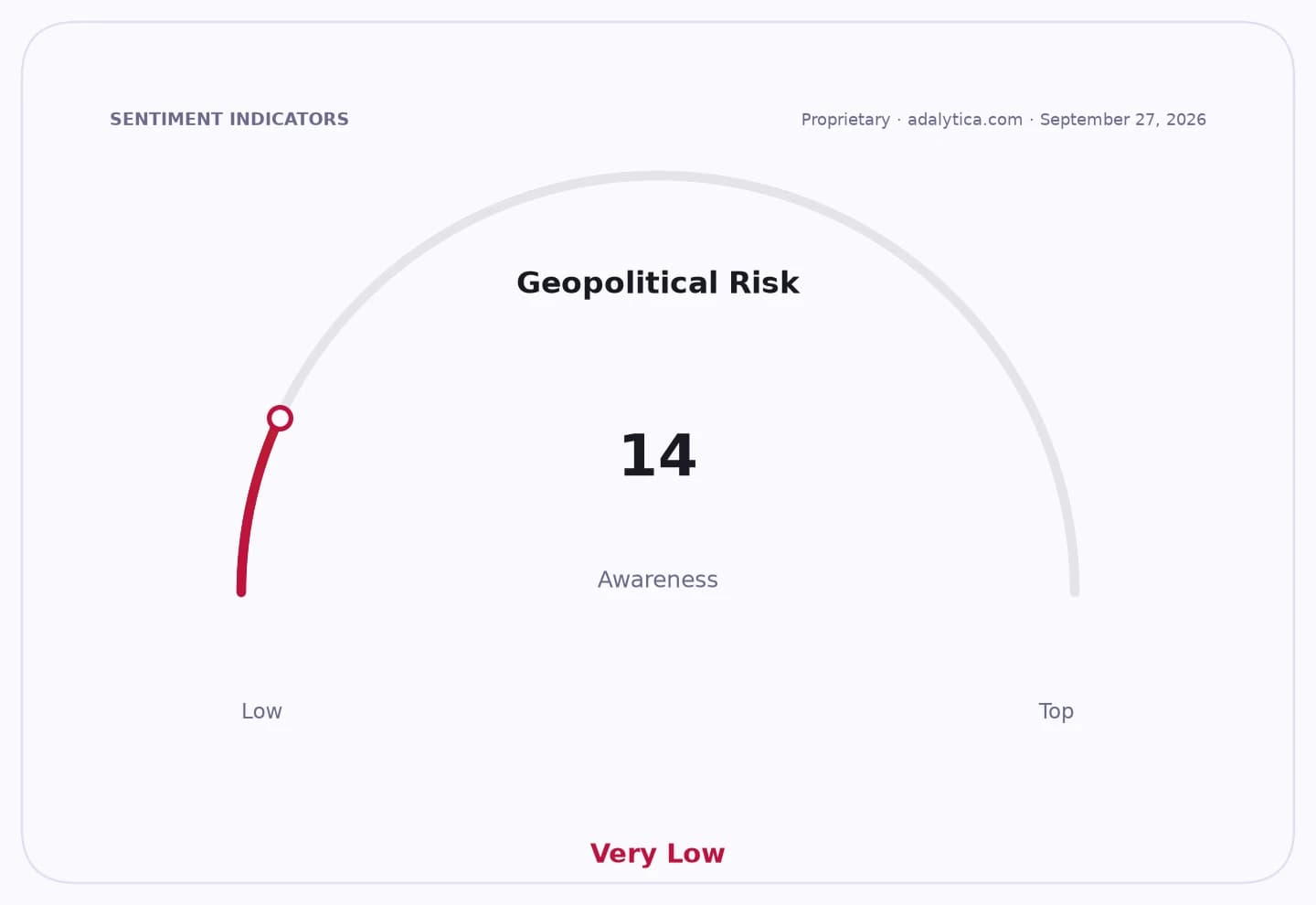
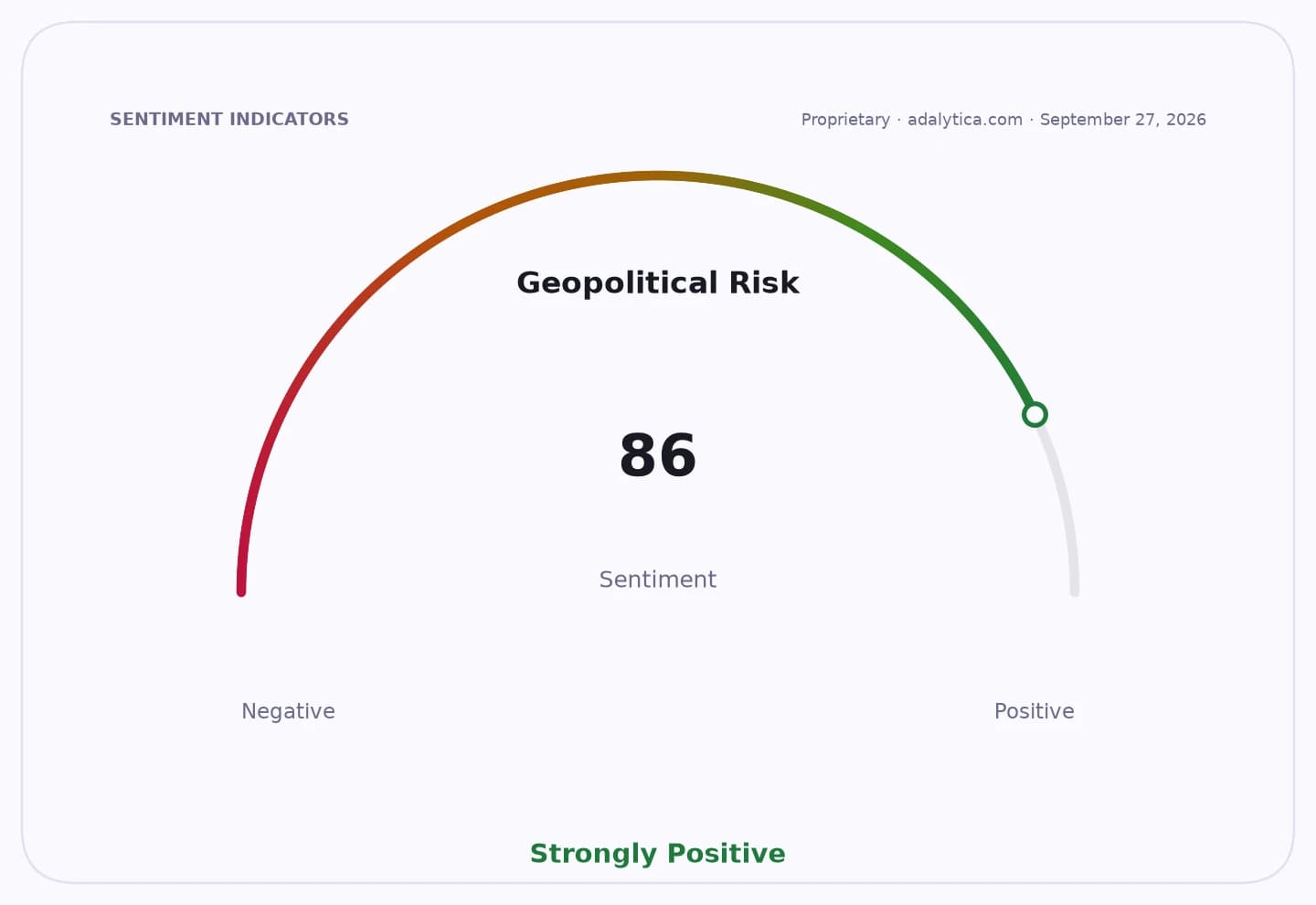
Sentiment IndicatorsⓘProprietary · adalytica.com · September 27, 2026
This is a snapshot — live sentiment, awareness and momentum for 130+ markets update continuously in the dashboard.Open AlphaPulse
That is the core investment story here too. Wartime energy logistics have become a toll road for regional traders, terminal operators, pipeline corridors and tanker fleets, and ORLEN is positioning itself as one of the key gatekeepers. The Polish refiner and fuel supplier is not just selling barrels and LNG; it is embedding itself in the emergency architecture that Ukraine has been forced to build since Russian attacks crippled output during the 2025-26 heating season.
Naftogaz said the LNG volumes are meant to cover peak seasonal consumption, while the petroleum-product memorandum signed by its oil and gas subsidiary Ukrnafta is designed to stabilize fuel supply as global oil markets stay volatile. The companies also left open the possibility of sending Ukrainian crude to Central European refineries and even transferring used fuel tanker trucks from ORLEN to Ukrnafta, underlining how this partnership is broadening from one-off cargoes into logistics infrastructure.
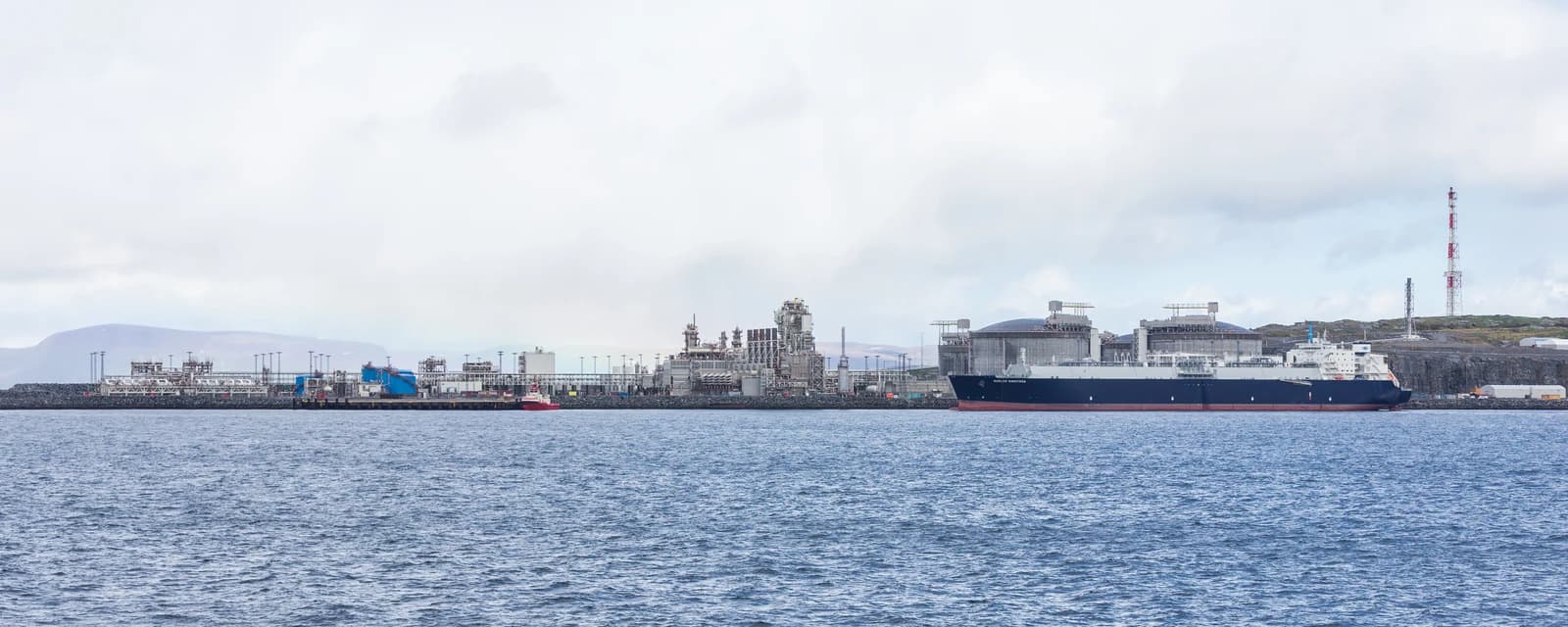
That broader buildout matters because Ukraine is no longer dependent on a single import lane. It has already tapped Azerbaijani gas through the Trans-Balkan route, planned a southern corridor via Greece’s DEPA and the Vertical Corridor, and brought in US LNG through Germany, Poland and Lithuania. ORLEN itself has already moved four LNG shipments through Świnoujście, with total Naftogaz-ORLEN supplies through Poland said to reach 1 billion cubic meters in 2026. In other words, this is becoming a system, not a stopgap.
For investors, the implication is that the market is still underpricing the long-duration demand this war has created for LNG infrastructure, cross-border gas trading, storage, terminal throughput and flexible shipping. Even if spot prices ebb, the strategic premium on diversified supply routes is rising, and that supports volumes for the companies that control access points rather than upstream production alone. ORLEN, European LNG terminals, midstream operators and LNG carriers are all beneficiaries of a structural shift toward redundancy and security.
The macro backdrop also helps. Europe’s energy security agenda is hardening as geopolitical risk persists, and Ukraine’s need to import more fuel and gas is not a temporary spike but a multi-season reality. That means more contracting, more optionality in supply chains and more leverage for sellers that can deliver molecules when others cannot.
My thesis is simple: the market should treat these deals not as isolated wartime announcements but as evidence that a new energy logistics network is being built in Eastern Europe, and the winners are the firms that own the routes, terminals and cargoes. For investors looking for asymmetric exposure, the opportunity lies in the picks-and-shovels of energy security, not in betting on a quick normalization.
| Entity | Gains | Losses |
|---|---|---|
| ORLEN | ▲Higher LNG and fuel sales | ▼Greater exposure to wartime logistics |
| Naftogaz/Ukrnafta | ▲Supply security and flexibility | ▼Continued dependence on imports |
| LNG terminals and shippers | ▲More throughput demand | ▼Less idle capacity |
| Spot buyers without contracts | ▲None | ▼Tighter competition for cargoes |