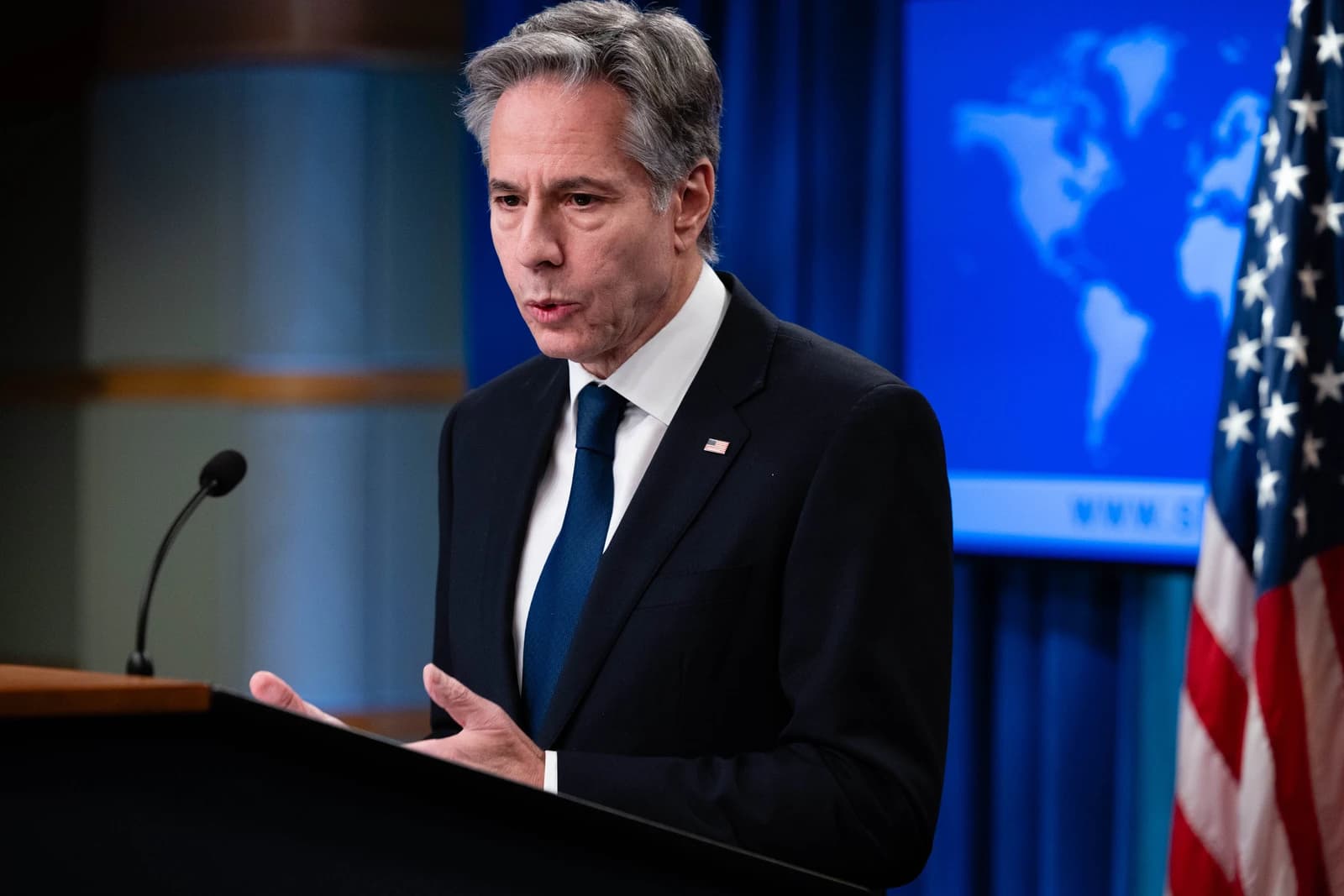
Trump is expected to push Volodymyr Zelensky to accept a Russia-Ukraine energy truce at their New York meeting, a move that could quickly reshape crude prices, gas flows and energy equities even if the broader war remains unresolved.
Trump-Zelensky meeting may affect oil and gas
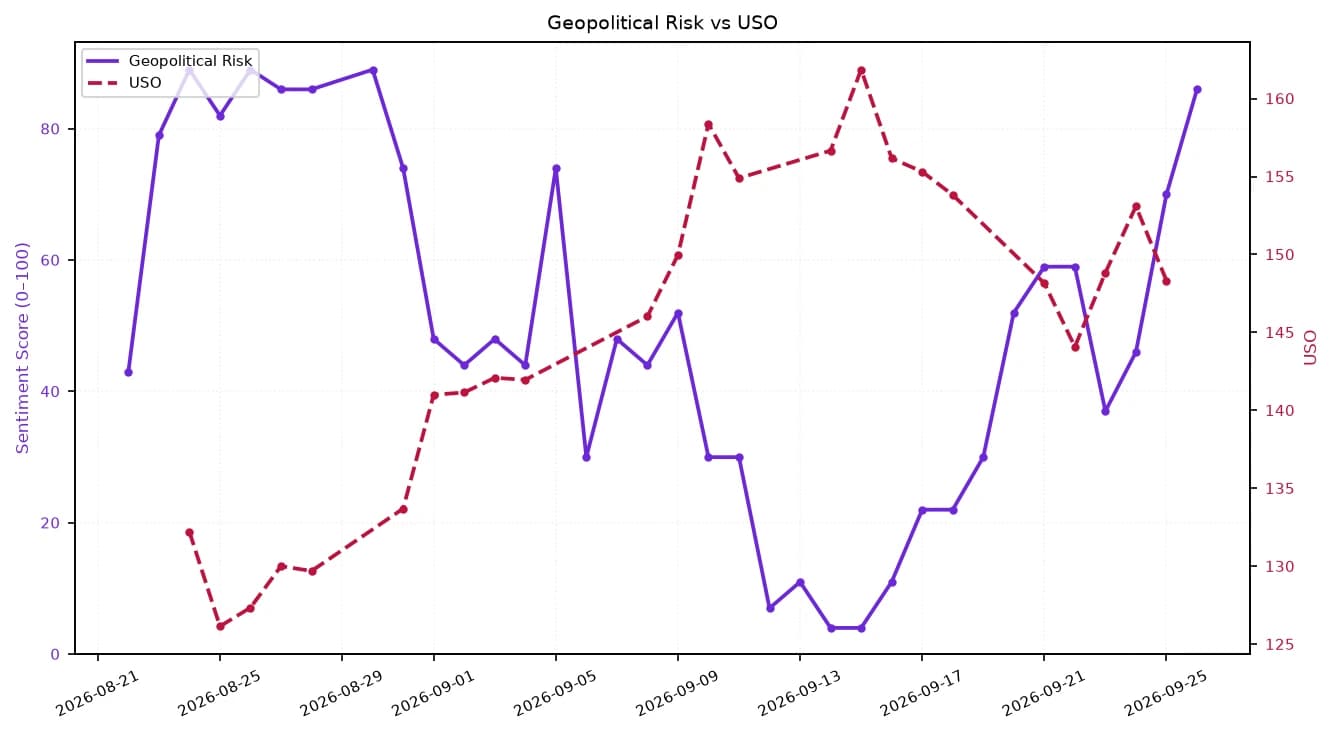
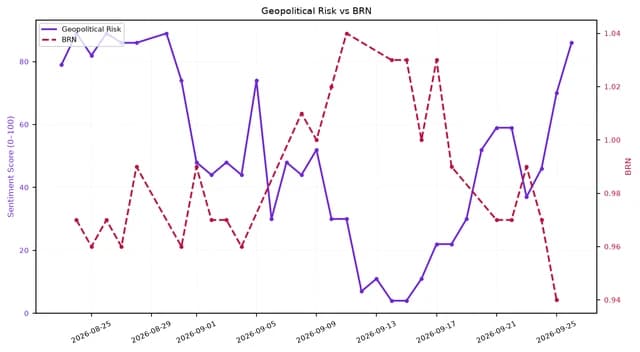
For markets, the significance is not the symbolism of another peace overture. It is the possibility that attacks on oil and power infrastructure — one of the most market-sensitive channels of the war — could pause long enough to ease the risk premium that has kept traders leaning bullish on energy. Adalytica’s WTI trade signals show extreme greed, while the oil proxy UNG has already surged back above its 50-day moving average, underscoring how closely energy prices are tied to every shift in ceasefire talk.
Sentiment IndicatorsⓘProprietary · adalytica.com · September 27, 2026
This is a snapshot — live sentiment, awareness and momentum for 130+ markets update continuously in the dashboard.Open AlphaPulse
That makes this meeting investable, not just geopolitical theater. If a limited truce gains traction, the first beneficiaries would be importers, airlines and energy-intensive industries that have been paying for war-driven volatility in fuel and power costs. The immediate losers would be crude bulls and defense-of-supply trades that have benefited from the conflict’s repeated escalation. Oil-focused ETFs such as USO could see pressure if traders conclude that one of the war’s key supply shocks is fading.
The broader backdrop is still hostile to a clean breakthrough. Moscow has rejected a temporary truce and says it wants a permanent settlement instead, even as Zelensky has signaled readiness for “any format” of an energy truce. That mismatch matters because it limits the odds of a durable ceasefire, but it does not eliminate the chance of a narrower, tactical pause in strikes on energy assets — and those are exactly the kinds of developments that can move commodities fast and force portfolio repositioning.
Investors should watch the energy channel first. XLE has climbed sharply over the past year and remains one of the clearest beneficiaries of war-risk pricing, but that trade becomes vulnerable if diplomacy starts to chip away at the market’s assumption of prolonged disruption. UNG, meanwhile, has already shown how quickly natural gas can swing on geopolitical headlines, which is why any hint of reduced infrastructure attacks deserves attention.
The real thesis here is simple: peace headlines may not end the war, but they can still change the price of energy. In a market where sentiment is crowded and oil remains bid, even a partial truce narrative can unlock downside for hydrocarbons and create a short-term tailwind for consumers and transport stocks. For investors, the asymmetric play is to stay selective on energy exposure and be ready to rotate if Washington and Kyiv move closer to even a limited deal.
| Entity | Gains | Losses |
|---|---|---|
| Oil consumers | ▲Lower fuel costs | ▼Less protection from price spikes |
| XLE / oil bulls | ▲War-risk premium | ▼If truce talks gain traction |
| UNG / gas bulls | ▲Volatility trading opportunities | ▼Reduced infrastructure-strike risk |
| Airlines / transport | ▲Cheaper input costs | ▼None from lower energy prices |