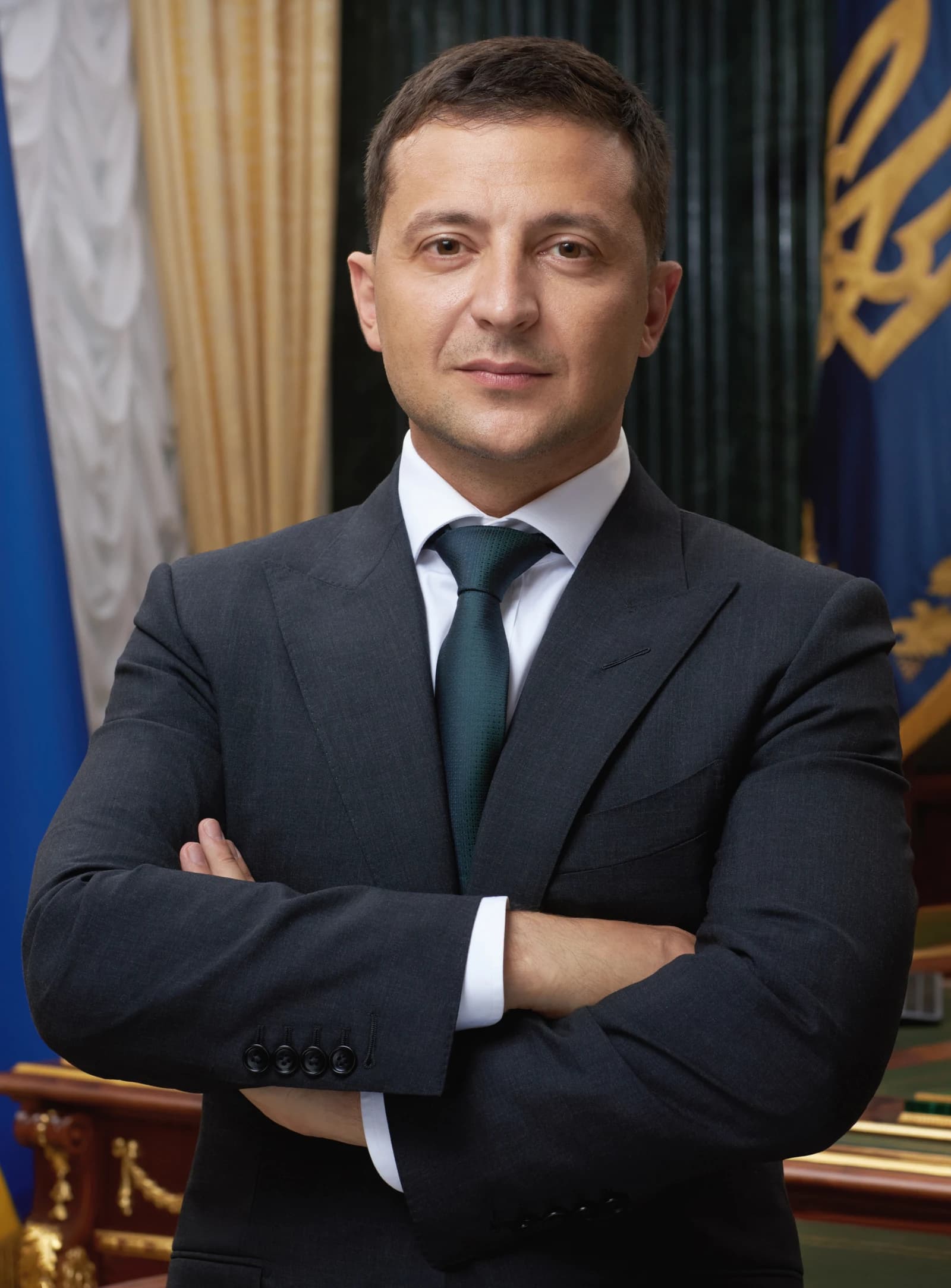
Russia hit Kyiv with a major drone attack hours after Volodymyr Zelenskiy met Donald Trump, killing at least two people and wounding 22 in one of the heaviest assaults on the capital since Moscow began using faster jet-powered drones this summer.
Russia hits Kyiv after Zelenskiy meets Trump

The strike matters because it underscores how little diplomatic momentum is translating into a pause in the fighting, even as Ukraine presses Washington and Brussels for more air defenses and budget support. It also keeps war risk elevated for energy, transport and broader European assets at a moment when investors are already weighing winter supply security and the durability of Western aid.
Sentiment IndicatorsⓘProprietary · adalytica.com · September 28, 2026
This is a snapshot — live sentiment, awareness and momentum for 130+ markets update continuously in the dashboard.Open AlphaPulse

Kyiv officials said the attack targeted rail infrastructure, warehouses and gas stations, while Mayor Vitali Klitschko said a nine-story non-residential building, a business center and several storage sites were hit. Ukrnafta said one of its fuel stations in the capital was damaged, the sixth such site struck in recent weeks, and the state railway operator said one employee was injured after infrastructure came under fire.
The assault came just after Zelenskiy told Trump he wanted more U.S. Patriot missiles and had discussed a possible bilateral ceasefire on energy targets, but said no agreement was reached. Zelenskiy also told reporters he is ready for “any format” of an energy ceasefire as long as Russia stops its own strikes on Ukraine’s infrastructure.
The timing is politically significant because it came as Zelenskiy was also meeting European Commission President Ursula von der Leyen on ways to cover Ukraine’s widening budget gap, driven in part by higher military spending and the intensifying air war. The Kremlin, meanwhile, said conditions for future peace talks were not in place, signaling no near-term diplomatic breakthrough.
For investors, the attack reinforces the case for higher defense spending, sustained demand for air-defense systems and continued volatility in energy markets as Moscow targets fuel and power logistics. It also keeps pressure on European policymakers to maintain financing for Kyiv and to prepare for further disruption if Russia ramps up strikes on Ukraine’s grid during the winter.
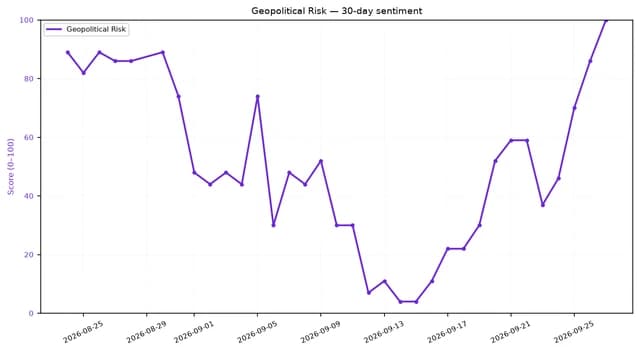
Technically, the broader risk backdrop stays elevated: Adalytica’s Global Stability Sentiment is at 100, or “Extreme Greed,” while its Euro Trade Signals gauge shows “Extreme Fear” at 2, reflecting a sharp jump in geopolitical stress. Gold, often used as a haven in conflict periods, has also remained volatile, with the GLD ETF hovering just below its 50-day moving average and well under its 200-day average.
The next market catalyst is whether the attack prompts fresh Western military or financial commitments, and whether Moscow expands its campaign against power and fuel assets ahead of winter.
| Entity | Gains | Losses |
|---|---|---|
| Ukraine and Kyiv residents | ▲More Western urgency for aid | ▼Lives, infrastructure, sleep and work |
| Western defense contractors | ▲Higher demand for air defenses | ▼— |
| Russia | ▲Military pressure on Ukraine | ▼Fresh sanctions and isolation risk |
| Oil and gas security bulls | ▲More support for hard-asset hedges | ▼Risk assets and euro sentiment |