Rhode Island Energy’s request for gas and electricity rate increases is the clearest sign yet that utility inflation is forcing regulated power companies to ask customers to absorb higher costs, and investors should expect similar filings across the sector as interest rates and capital costs stay elevated.
Rhode Island Energy files for rate increases
The company said it filed its first base distribution rate review since 2017 with the Rhode Island Public Utilities Commission, kicking off what it described as a nine-month regulatory process. For a typical residential customer, the proposal would add a little more than $7.75 a month to the electric bill and about $340 a year on gas, a material increase for households already facing broad-based price pressure.
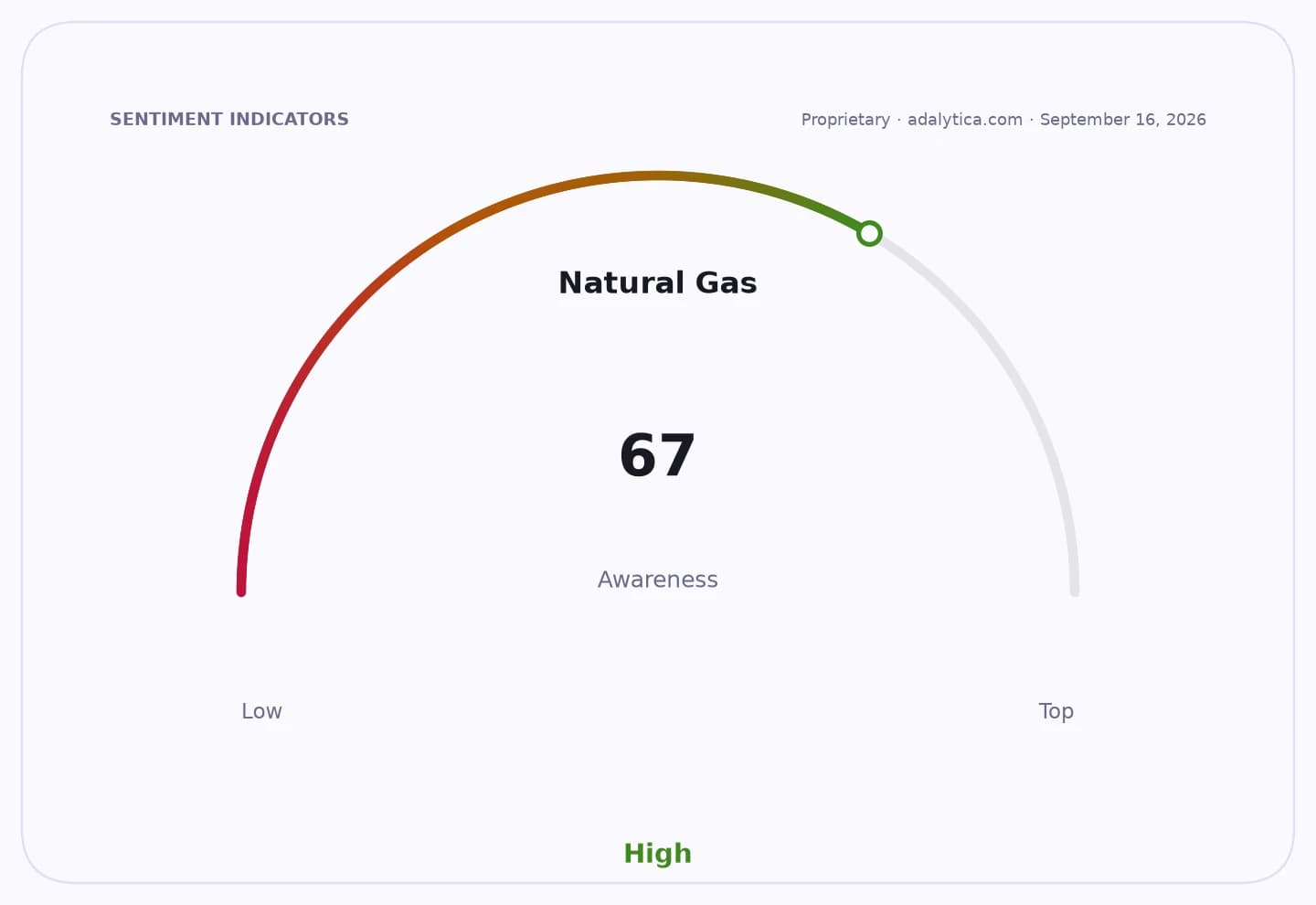
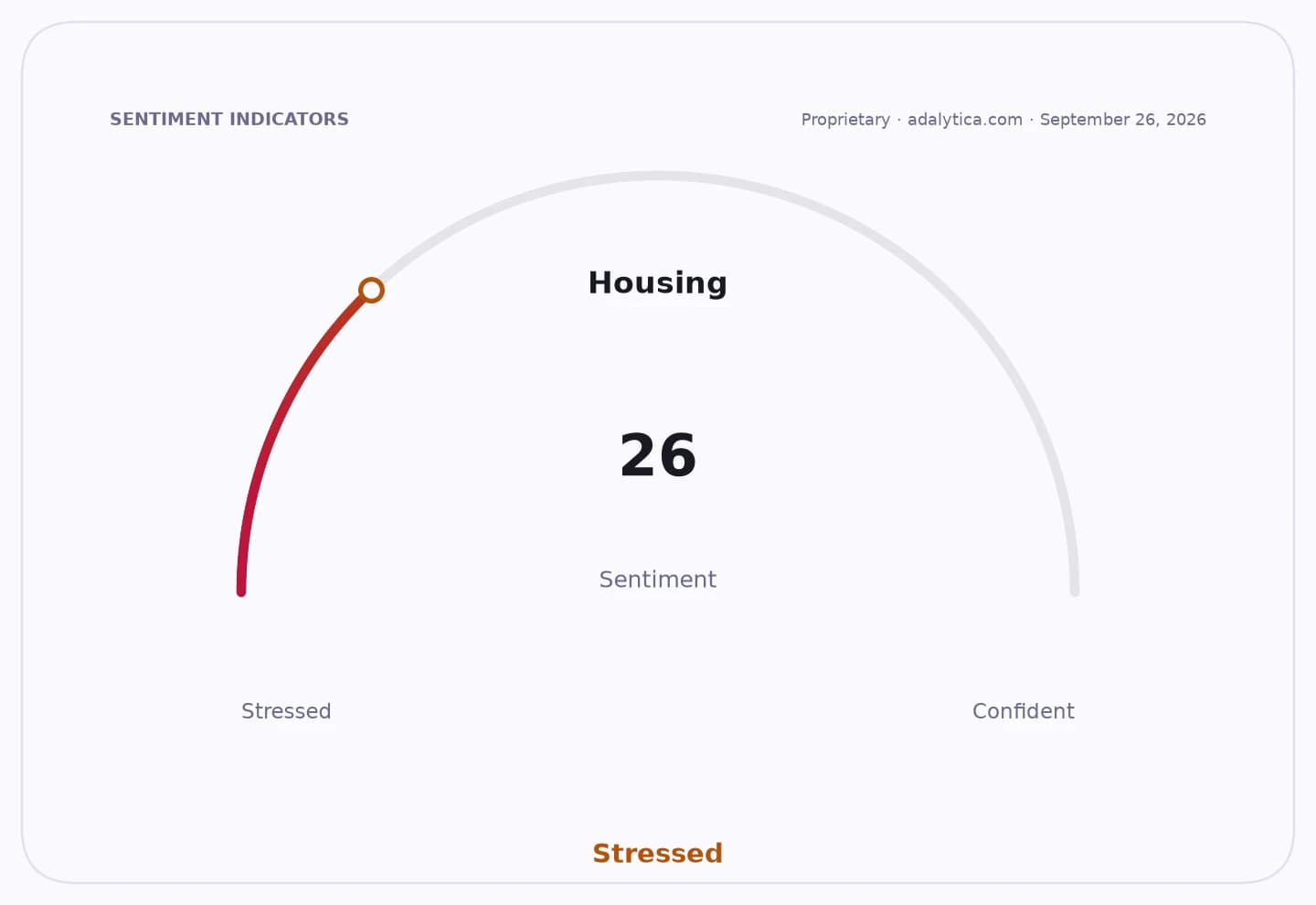
Sentiment IndicatorsⓘProprietary · adalytica.com · September 29, 2026
This is a snapshot — live sentiment, awareness and momentum for 130+ markets update continuously in the dashboard.Open AlphaPulse
That matters because regulated utilities are now being squeezed from both sides: the cost of maintaining the grid and gas network is rising sharply, while regulators are under pressure to protect affordability. Rhode Island Energy pointed to inflation, supply-chain disruption and tighter regulatory requirements as the main drivers. Its examples were stark: underground cable that cost $2.30 a foot in 2020 now costs $4.21, and a mile of cable has jumped to $22,000 from $12,000. The cost of gas pipeline upgrades has nearly tripled since the last review.
For investors, the filing reinforces a familiar but underappreciated theme: utility earnings growth is increasingly tied to rate-case execution, not just demand. That tends to favor companies with constructive regulators, disciplined capex plans and strong inflation pass-through mechanisms, while pressuring utilities that need to fund large system upgrades without immediate recovery. In that environment, rate-regulated names can still be attractive, but only if they have credible paths to return on invested capital.
The filing also has a political and social dimension. Rhode Island Energy said it is proposing major changes to its low-income discount program, an acknowledgment that affordability is becoming central to utility regulation. That could make approval more complicated, but it also raises the odds of a negotiated outcome that spreads the pain rather than blocks the increase entirely.
The market implication is broader than Rhode Island. Utilities across the U.S. are still rebuilding networks, hardening systems and preparing for electrification-linked demand growth. If inflation and financing costs remain sticky, more companies will head back to regulators asking for relief. That creates a bifurcated setup for investors: regulated utilities with strong rate-base growth can still deliver defensive compounding, while those trapped in slow jurisdictions may face margin pressure and weaker total returns.
The takeaway is straightforward: this is not just a Rhode Island bill shock, it is another data point in a larger utility pricing reset. Income investors should focus on utilities with predictable rate recovery and visible capital plans, while keeping a close eye on affordability backlash, because that is where the next regulatory fight will be won or lost.
| Entity | Gains | Losses |
|---|---|---|
| Rhode Island Energy | ▲Higher allowed revenue | ▼Customer backlash |
| PUC regulators | ▲Time to review costs | ▼Affordability pressure |
| Utility peers | ▲Rate-case precedent | ▼Political scrutiny |
| Rhode Island households | ▲Expanded discount options | ▼Higher monthly bills |