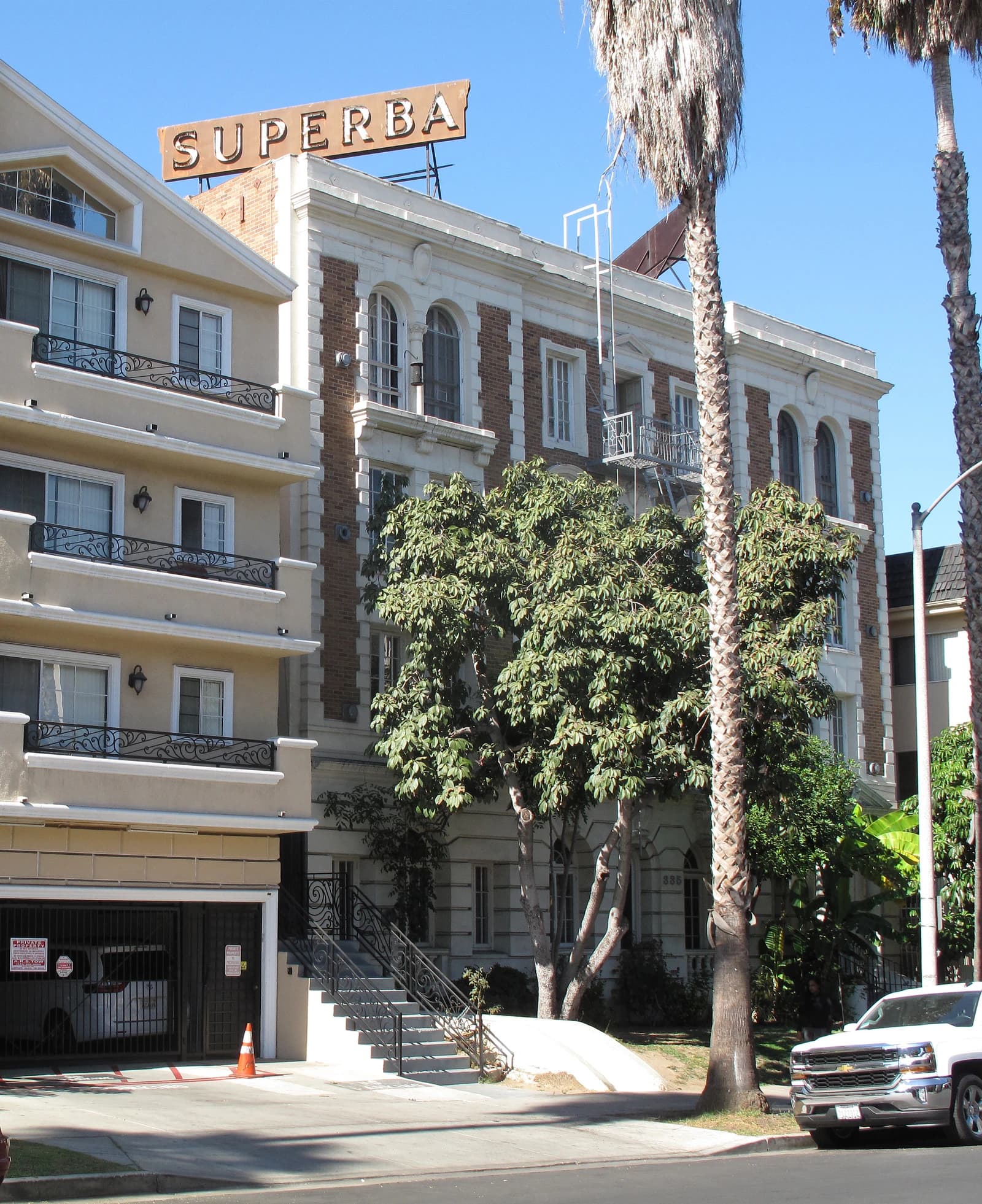
The Bahamas is preparing to overhaul its rent laws and expand enforcement as the government responds to an affordability problem officials now describe as severe, a sign that housing costs are becoming a broader policy and social issue in the island economy.
Bahamas plans rent law overhaul and tougher enforcement
Economic Affairs Minister Jerome Fitzgerald said rents are “extremely high” and that the Rent Control Unit needs more staff, while he and Housing Minister Keith Bell are expected to draft new legislation after consultation. The planned changes suggest the administration is moving beyond verbal concern toward tighter oversight of landlords, pricing practices and property standards.
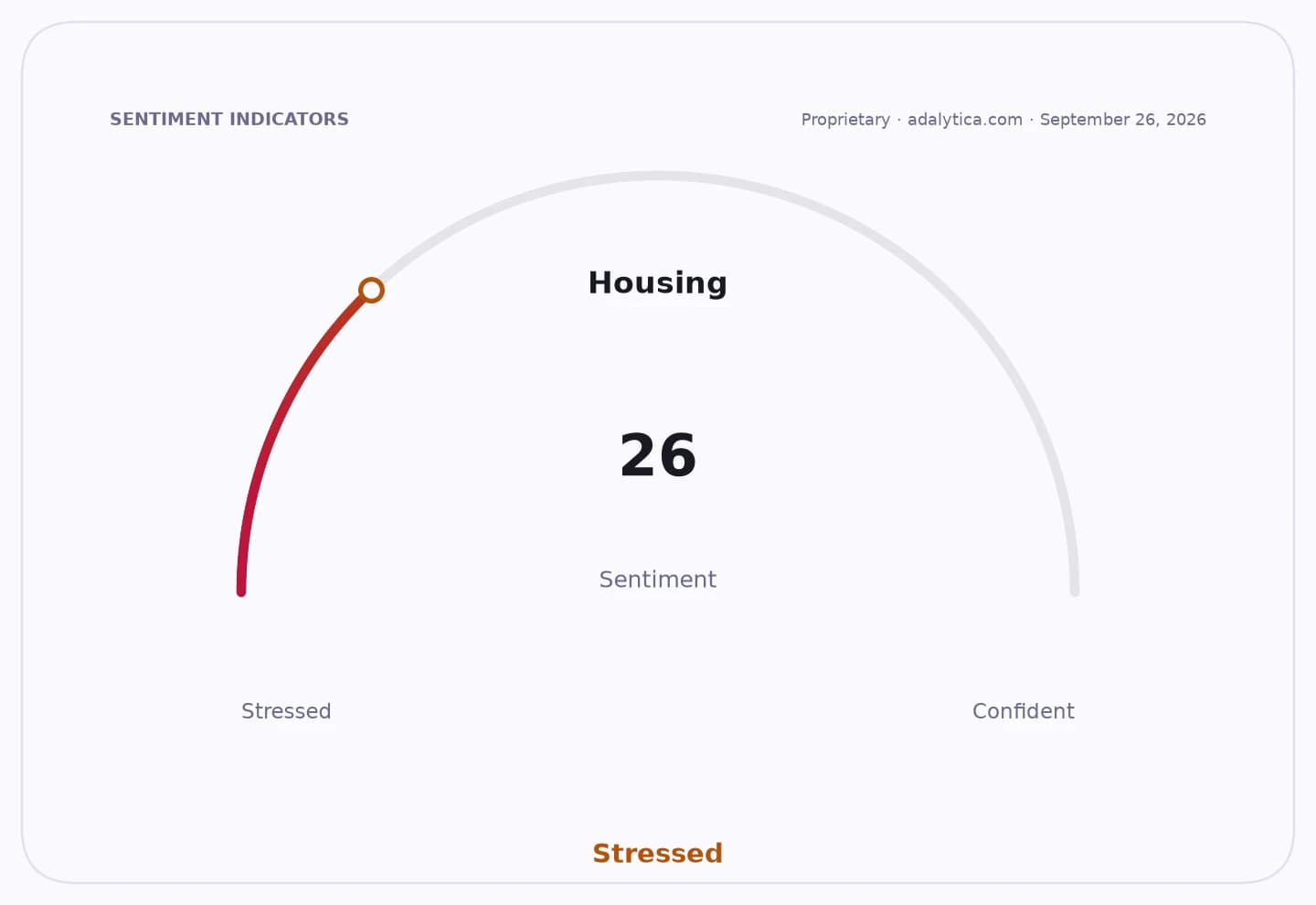
Sentiment IndicatorsⓘProprietary · adalytica.com · September 26, 2026
This is a snapshot — live sentiment, awareness and momentum for 130+ markets update continuously in the dashboard.Open AlphaPulse
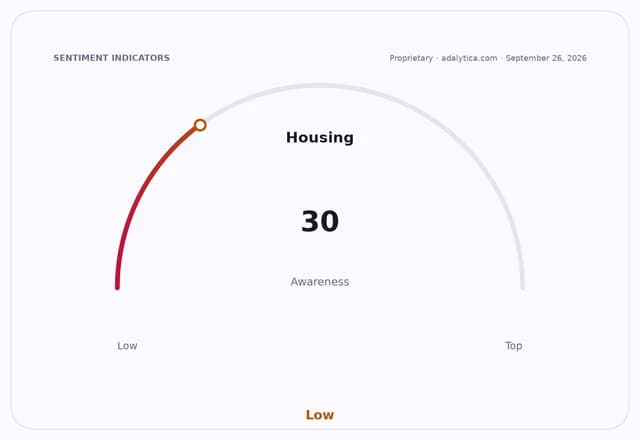
The push matters economically because rent is one of the most immediate channels through which inflation affects household budgets and wage demands. In a tourism-dependent economy where imported goods already keep living costs elevated, persistently high housing costs can squeeze disposable income, weaken consumer spending and add pressure on employers already facing labor and operating-cost burdens.
It also points to a broader tightening of consumer protection enforcement. Fitzgerald said the government intends to enlarge the price inspectorate as well, citing markups on price-controlled goods and concerns over the quality of imports. That gives the policy move a wider inflation-fighting dimension: authorities are not only targeting rents, but also the retail pass-through that keeps everyday prices elevated.
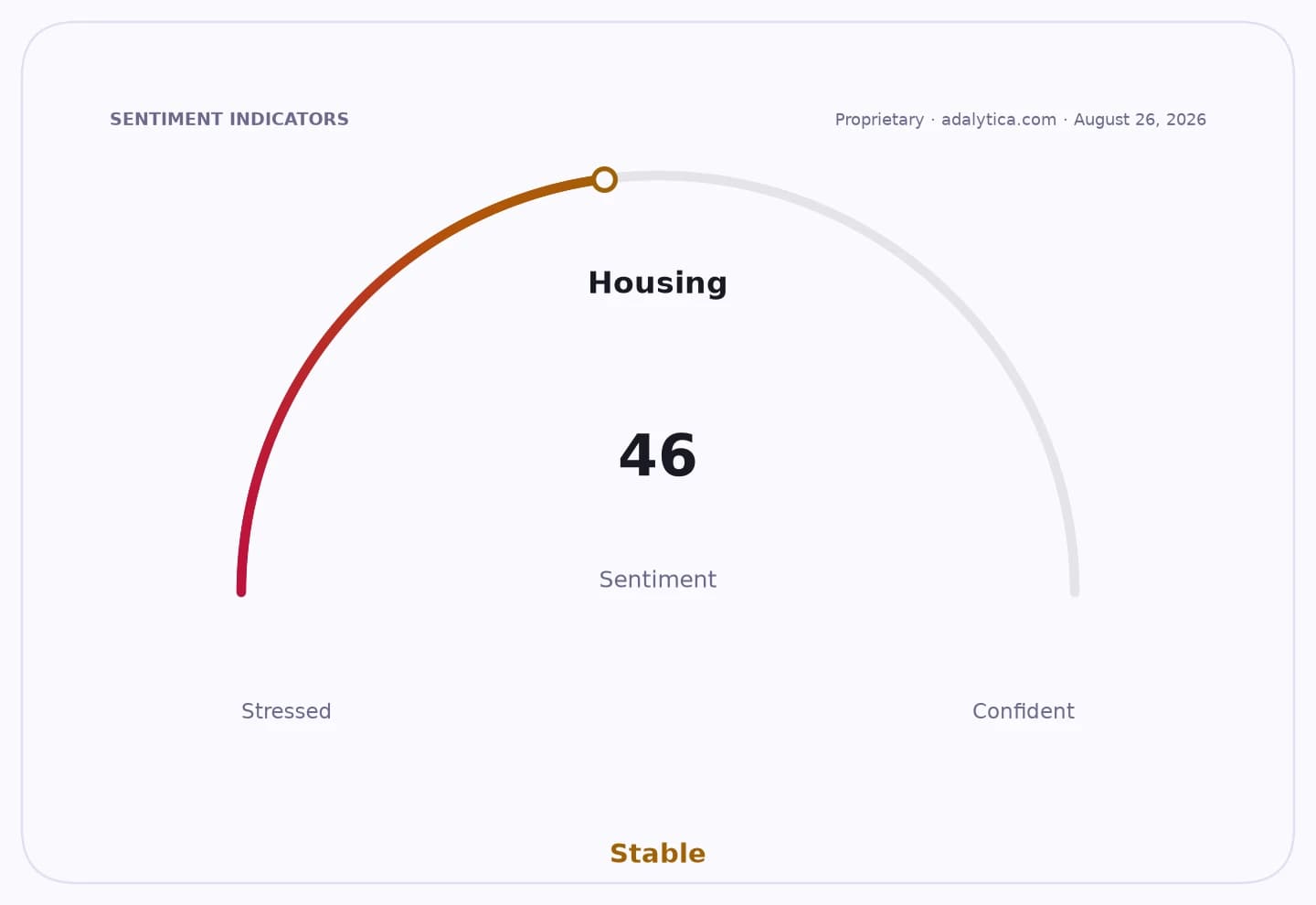
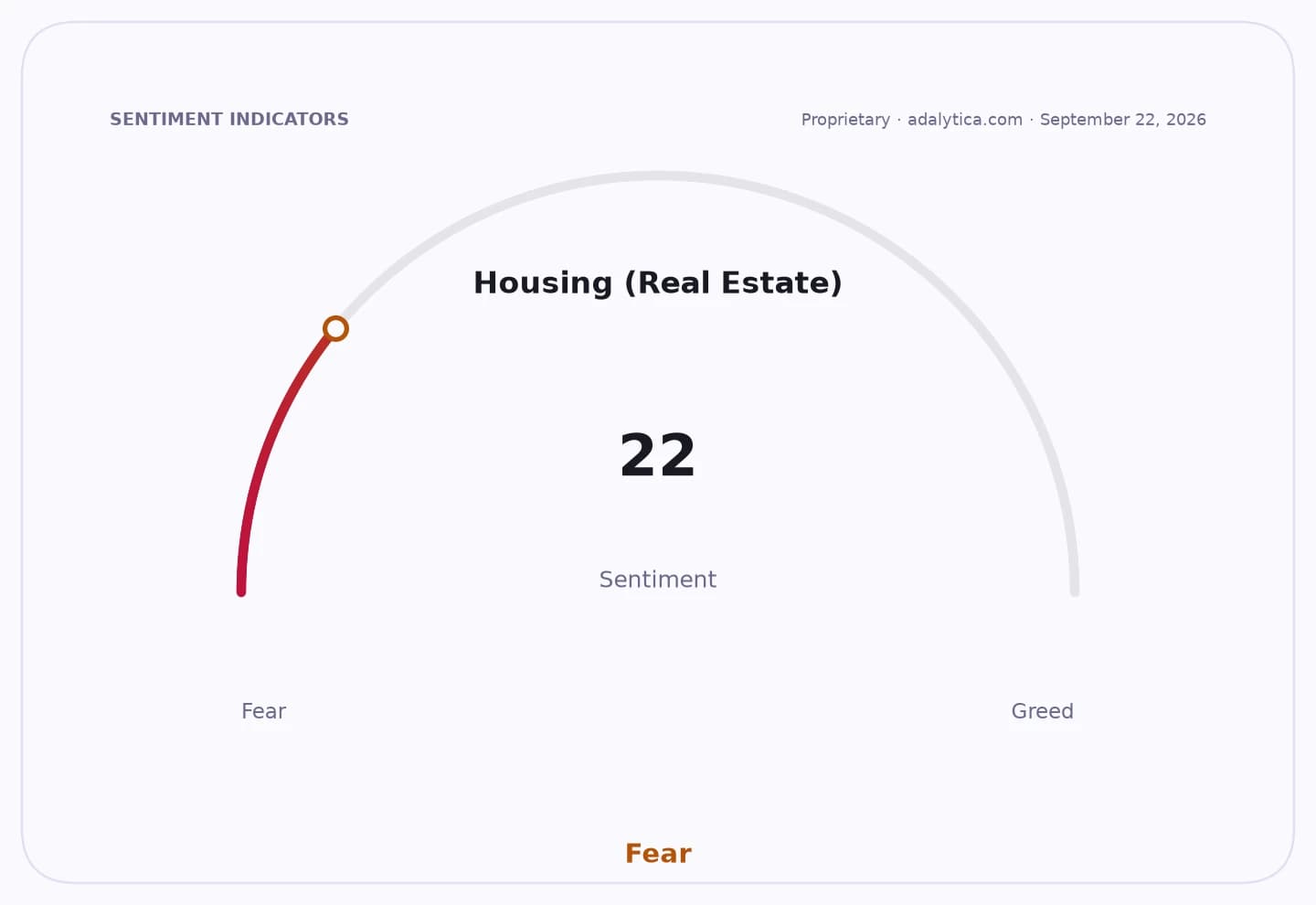
The timing is notable against a backdrop of still-pressured housing costs. U.S. housing inflation, often a useful external reference for island economies tied to the dollar and U.S. demand, has remained elevated even as some other prices have cooled, underscoring how sticky shelter costs can be. Adalytica’s housing and rent inflation gauge shows “fear” levels around the issue, reflecting market sensitivity to affordability and policy risk.
For investors, the main implication is regulatory. More aggressive rent oversight can restrain pricing power for landlords and property owners if rules tighten around permitted increases, maintenance standards or enforcement. That is a negative for rent-sensitive real estate cash flows, particularly for owners who have relied on steep lease renewals to offset higher financing and operating costs.
The policy risk is not one-sided, however. Better enforcement and clearer rules can improve tenant protections, reduce political pressure and support more stable long-term housing markets if implemented predictably. For the government, the challenge will be balancing affordability with incentives for maintenance and new supply — a trade-off that rent controls often complicate if they are too blunt.
For now, the signal is that housing affordability has become a central policy issue in the Bahamas, not a passing complaint. The legislation and the size of the enforcement expansion will matter as much as the rhetoric, because the eventual shape of the rules will determine whether the government is curbing abuses, or simply limiting the returns needed to keep the rental stock in good repair.
| Entity | Gains | Losses |
|---|---|---|
| Tenants | ▲Lower rent pressure | ▼Fewer weak protections |
| Government | ▲Political credit | ▼Enforcement burden |
| Landlords | ▲Clearer rules if balanced | ▼Pricing power |
| Consumers | ▲Better price oversight | ▼Higher compliance risk |