Rent remains below $1,500 in only nine major U.S. metros, underscoring how quickly affordability has eroded even in markets that were once considered bargains.
Sub-$1,500 rent metros shrink across the U.S.
That matters because housing is still one of the biggest monthly expenses for households and a key input into inflation. When rent levels approach or cross the $1,500 mark in cities such as Pittsburgh, the last remaining pockets of affordability narrow further, limiting relief for renters and keeping pressure on consumer budgets.
Sentiment IndicatorsⓘProprietary · adalytica.com · September 28, 2026
This is a snapshot — live sentiment, awareness and momentum for 130+ markets update continuously in the dashboard.Open AlphaPulse
The list, drawn from Zillow’s Observed Rent Index, is spread across the Midwest, South and East Coast rather than concentrated in one low-cost state. Louisville, Kentucky, has the cheapest typical rent among the nine at $1,357 a month, followed by Oklahoma City at $1,390 and Memphis at $1,422. At the top end of the sub-$1,500 group, Pittsburgh sits at $1,499, just a dollar under the threshold, with Cleveland at $1,476 and Birmingham at $1,456.
The bigger signal for the housing market is that most of these metros are still seeing rent growth, not broad-based declines. Cleveland and St. Louis each posted 4.3% year-over-year increases, while Pittsburgh and Buffalo were up 3.4% and 3.3%, respectively. Only San Antonio showed a decline, with typical rent down 1.8% from a year earlier. Even there, landlords are leaning on concessions, with a 56.8% concession share, suggesting demand is being supported with incentives rather than outright price cuts.
That pattern helps explain why the affordable-rent pool is shrinking. High concession rates in cities such as San Antonio, Birmingham, Memphis and Louisville point to landlords competing harder for tenants, but they also show how much room owners still have to defend occupancy before they have to reprice meaningfully lower. For apartment operators, the story is less about a collapse in rents than a normalization after the post-pandemic surge, with supply and affordability constraints pulling in different directions.
For investors, that has two implications. First, renters in these metros are not getting the kind of relief that would materially improve affordability ratios, even if local incomes are lower than coastal norms. Second, public apartment landlords and single-family rental owners are likely to keep seeing uneven pricing power by market. American Homes 4 Rent, for example, has disclosed average monthly realized rents above $2,200 in several Sun Belt markets, illustrating the gap between lower-cost Midwestern and Southern metros and the broader U.S. rental market. Developers and landlords in the cheapest cities may find occupancy easier to preserve, but revenue growth may remain constrained if concessions stay elevated.
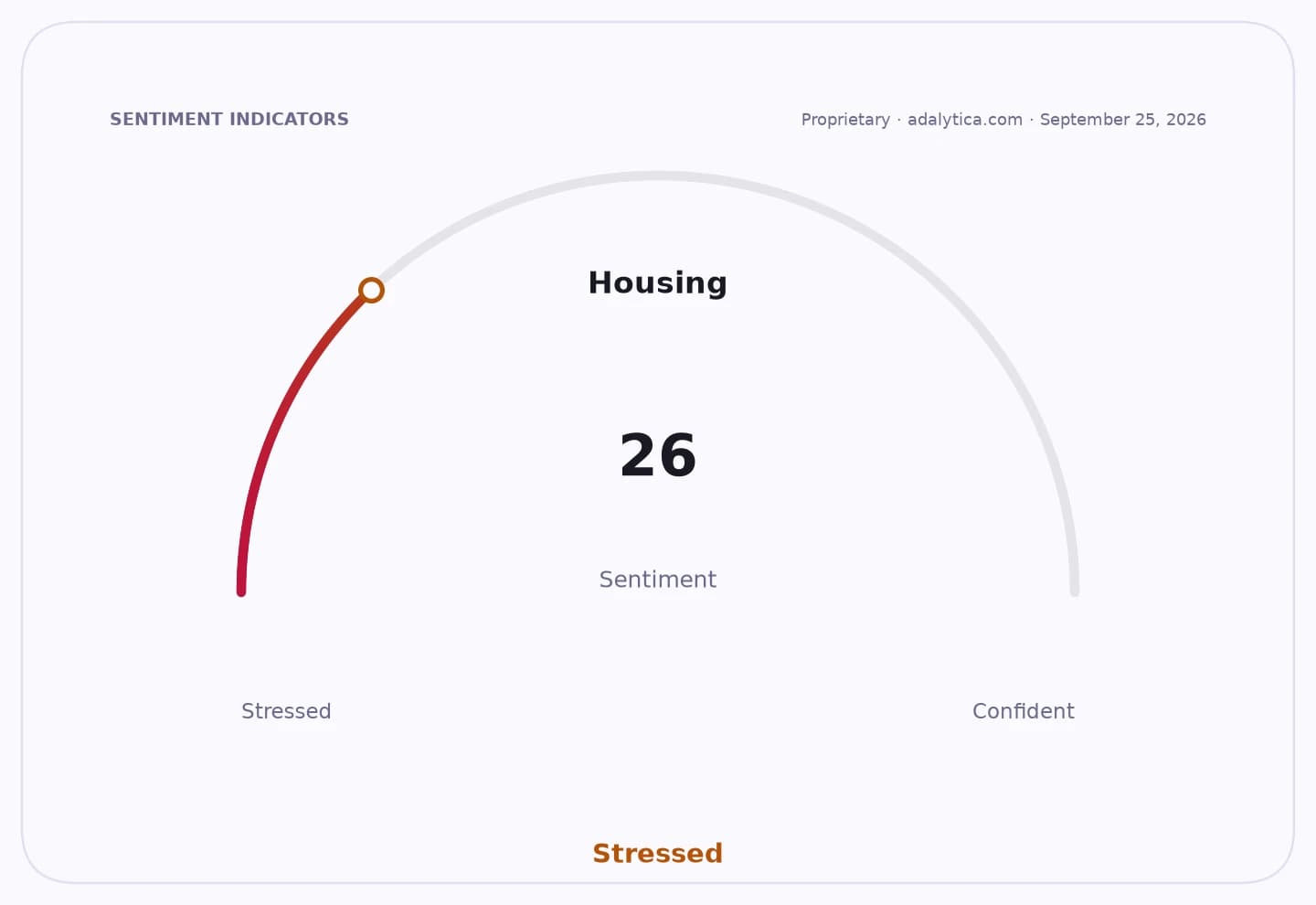
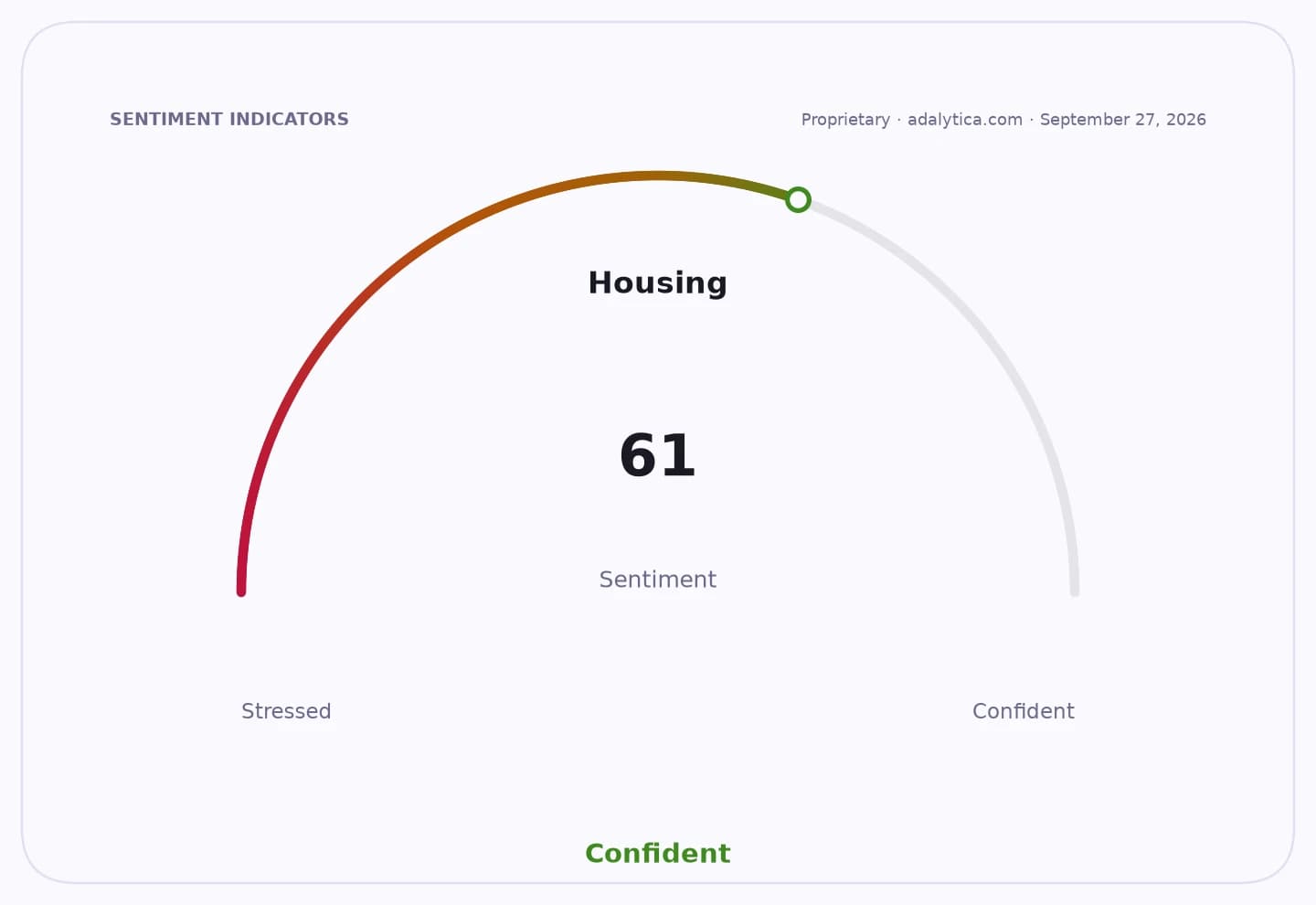
The broader macro backdrop is familiar: sticky shelter costs are keeping housing inflation stubborn even as other price pressures cool. Adalytica’s housing and rent inflation sentiment gauge is in “Extreme Fear,” reflecting heightened concern around affordability. Unless new supply materially outpaces demand, the list of sub-$1,500 major metros may continue to shrink, turning what looks like a bargain on paper into a temporary condition rather than a durable feature of the U.S. rental market.
| Entity | Gains | Losses |
|---|---|---|
| Renters in sub-$1,500 metros | ▲Lower monthly outlays | ▼Shrinking affordability cushion |
| Landlords in those metros | ▲Higher occupancy support | ▼More concessions pressure |
| Apartment REITs | ▲Selective pricing power | ▼Slower rent growth in cheaper markets |
| Housing buyers / would-be movers | ▲More relocation options | ▼Fewer truly affordable major metros |