A six-bedroom executive house with a boys’ quarters in East Legon Hills is on the market for GHS 6.6 million, underscoring how scarce prime residential stock in Greater Accra continues to command premium pricing even as broader housing sentiment remains deeply subdued.
East Legon Hills house listed for GHS 6.6 million
That price tag matters because it points to a market split in two: affluent buyers with hard currency or strong local balance sheets are still chasing limited supply in established neighborhoods, while the rest of the market remains trapped by affordability constraints. In a city where serviced land and quality homes are in short supply, listings like this are not just property ads — they are evidence of a durable price floor in the top end of the market.
Sentiment IndicatorsⓘProprietary · adalytica.com · September 27, 2026
This is a snapshot — live sentiment, awareness and momentum for 130+ markets update continuously in the dashboard.Open AlphaPulse
The home, listed by Shelter Mart as a private sale in East Legon Hills, includes six bedrooms, six bathrooms and sits on a 100 by 70-foot plot. For buyers, that combination of size, location and relative exclusivity helps explain why asking prices in Accra’s upper-tier districts can stay elevated even when transaction activity is uneven. For sellers and developers, it reinforces the thesis that value in Ghana’s residential market continues to concentrate in land-constrained neighborhoods close to the capital’s business and diplomatic corridors.
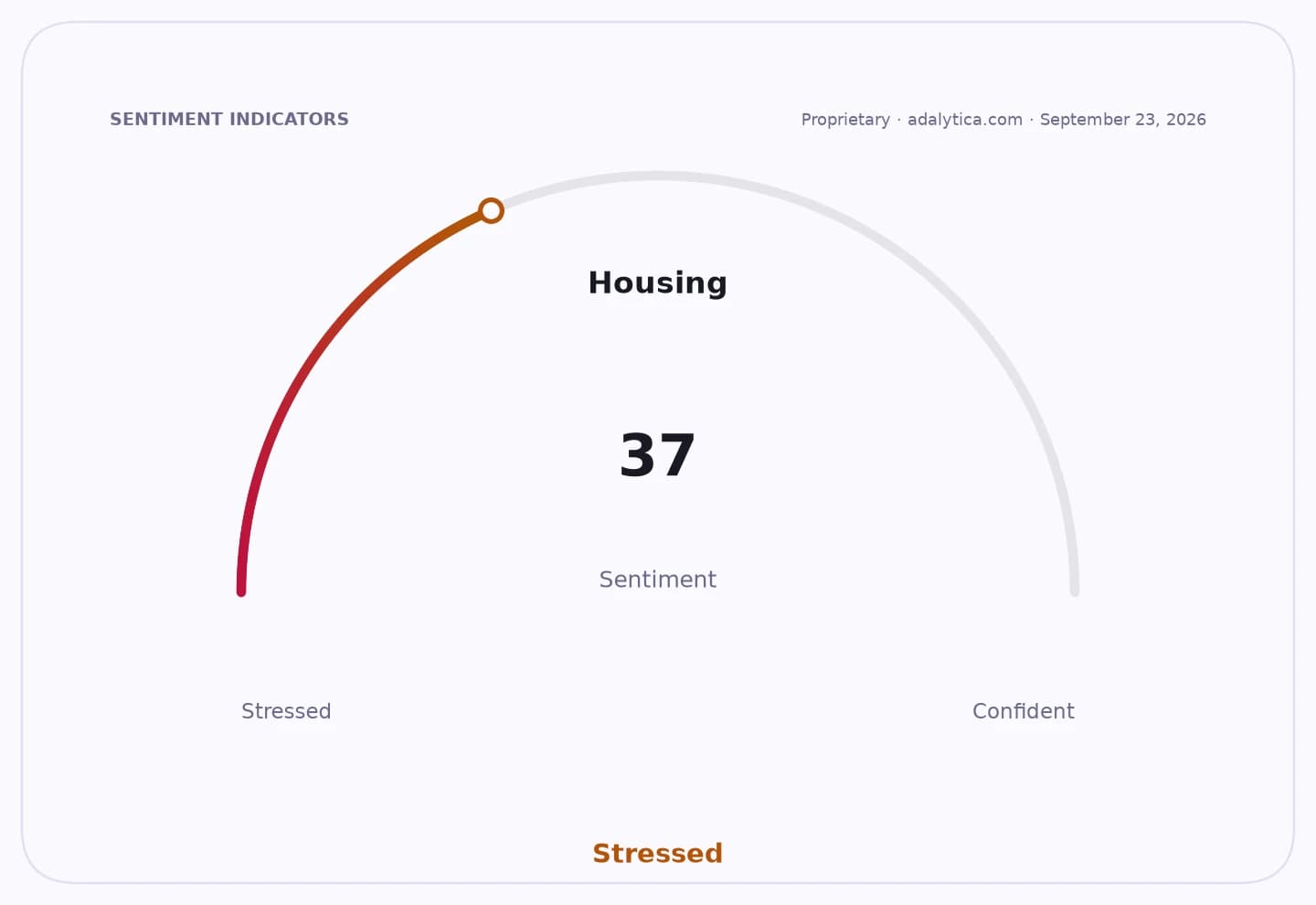
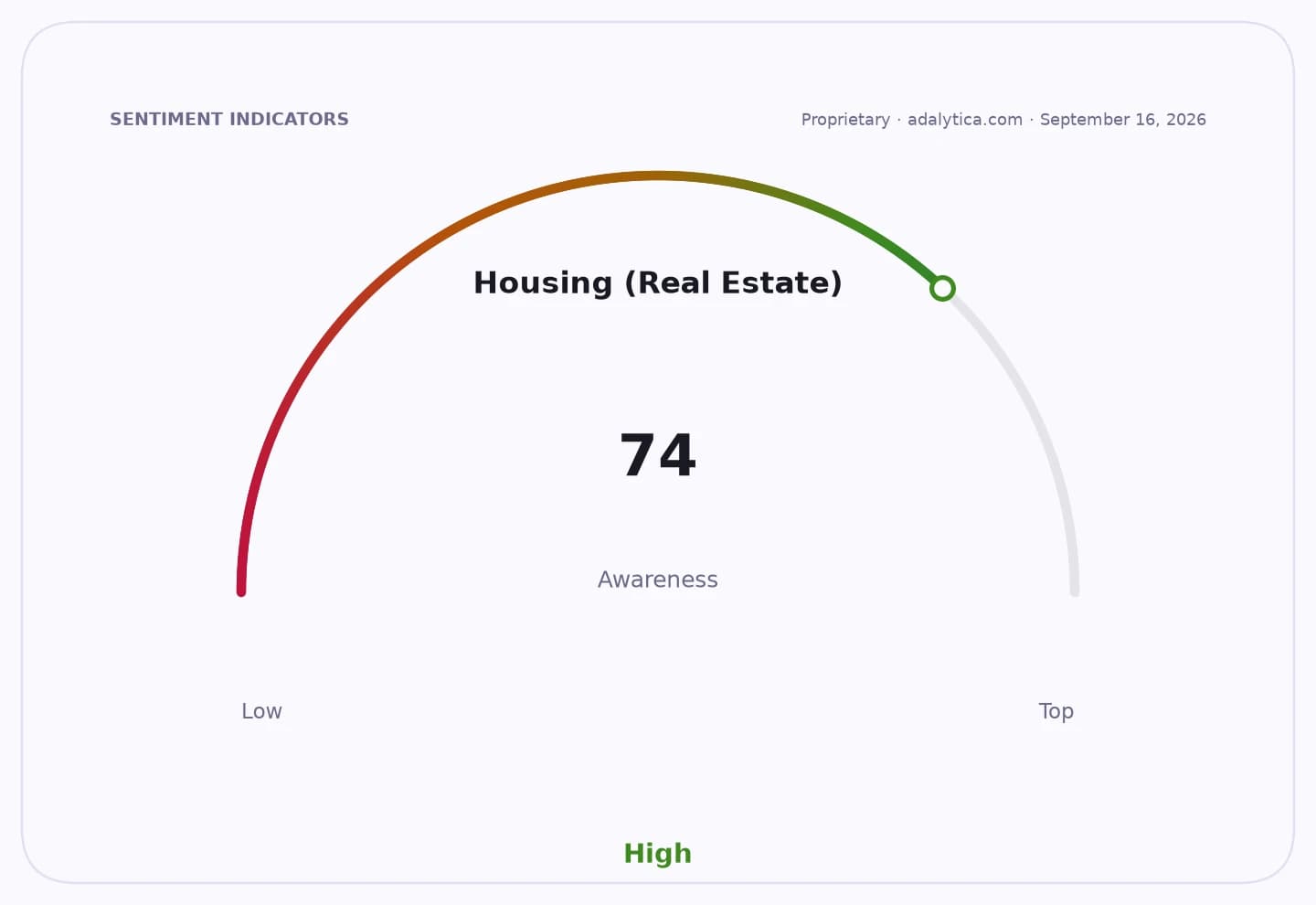
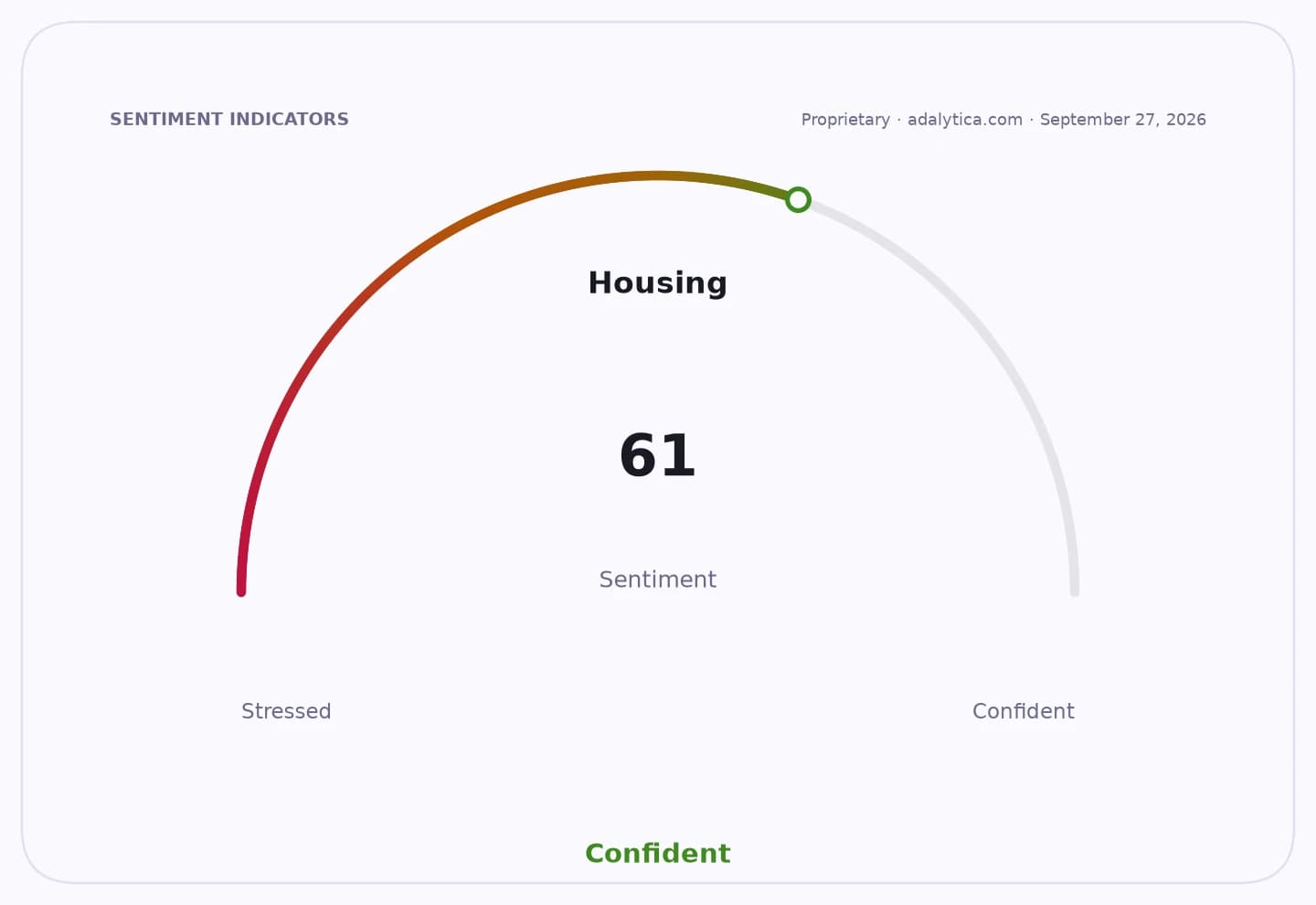
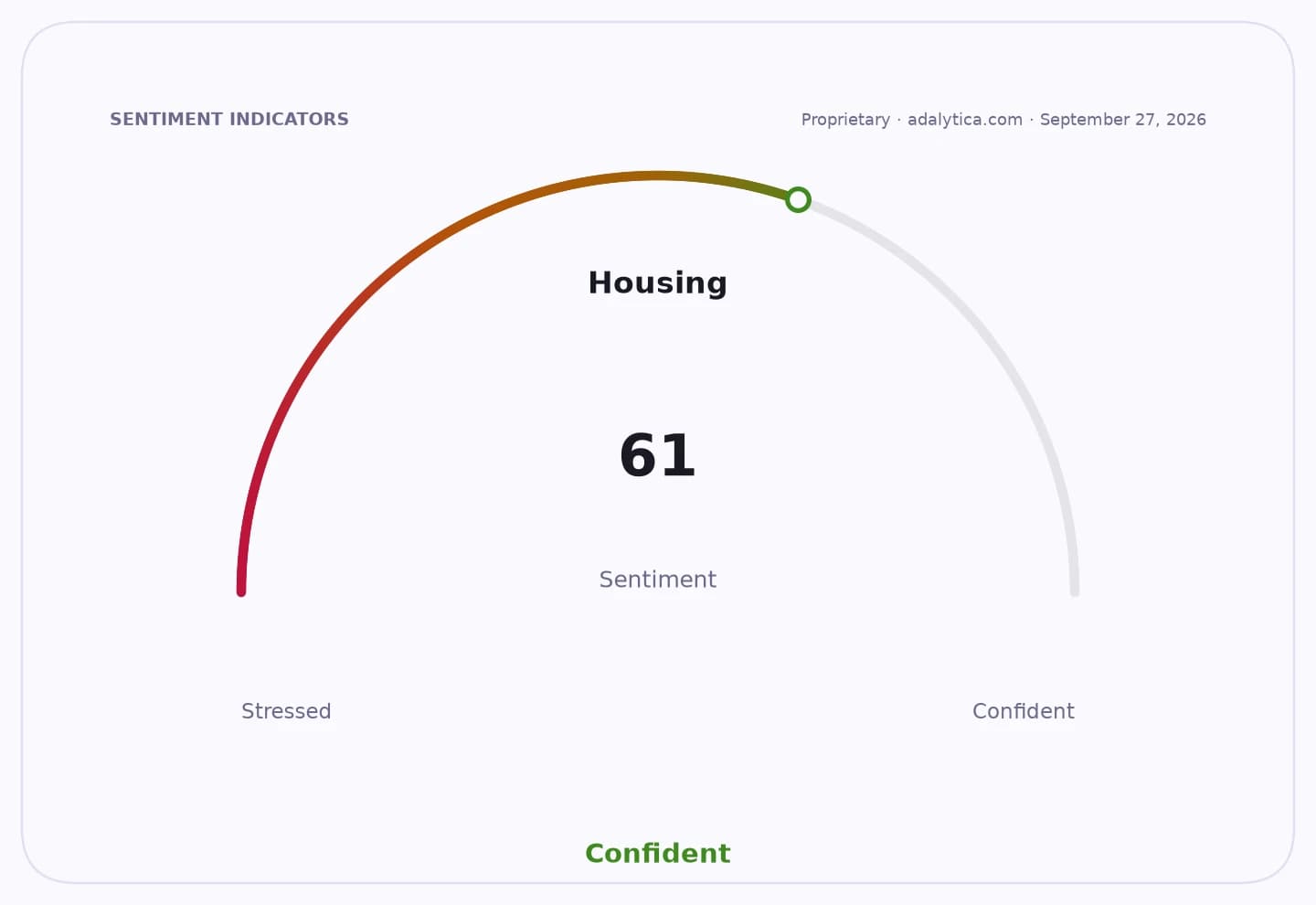
The broader backdrop is still challenging. Adalytica’s Housing Fear & Greed Index shows extreme fear at 4, a sign that confidence across the housing market has collapsed even as rent and housing inflation sentiment has rebounded to 61. That divergence is important: it suggests end-user pressure remains strong, but buyers are becoming more selective and the market is rewarding scarce, ready-to-occupy assets rather than speculative projects.
For investors, the opportunity is in the second-order effects. If premium homes in East Legon Hills can still attract GHS 6.6 million pricing, then the real trade is not simply “housing” — it is land banking, serviced plots, construction services, mortgage-adjacent financing, and the utilities and infrastructure needed to unlock new supply. The market underestimates how persistent the premium can be when urban land is constrained and replacement costs keep rising.
That makes this listing a useful signal for where capital should lean next. The winners are owners of well-located land and quality existing stock; the losers are buyers chasing affordability in undersupplied districts and developers without access to serviced plots. In a market defined by scarcity, the best positioned investors are those exposed to the toll roads of housing: land, construction inputs, and prime residential inventory.
| Entity | Gains | Losses |
|---|---|---|
| East Legon Hills homeowners | ▲Higher price support | ▼Lower affordability for buyers |
| Landowners/developers | ▲Scarcity premium | ▼Harder entry for new buyers |
| Buyers seeking prime homes | ▲Quality inventory access | ▼GHS 6.6 million price tag |
| Affordable housing segment | ▲Policy urgency | ▼Weak confidence and tight supply |