A new push to help school employees buy homes underscores how the affordable-housing squeeze is turning from a social issue into an economic one, with higher borrowing costs and limited supply forcing communities to look for creative financing fixes.
Affordable Housing Aid for School Employees Grows
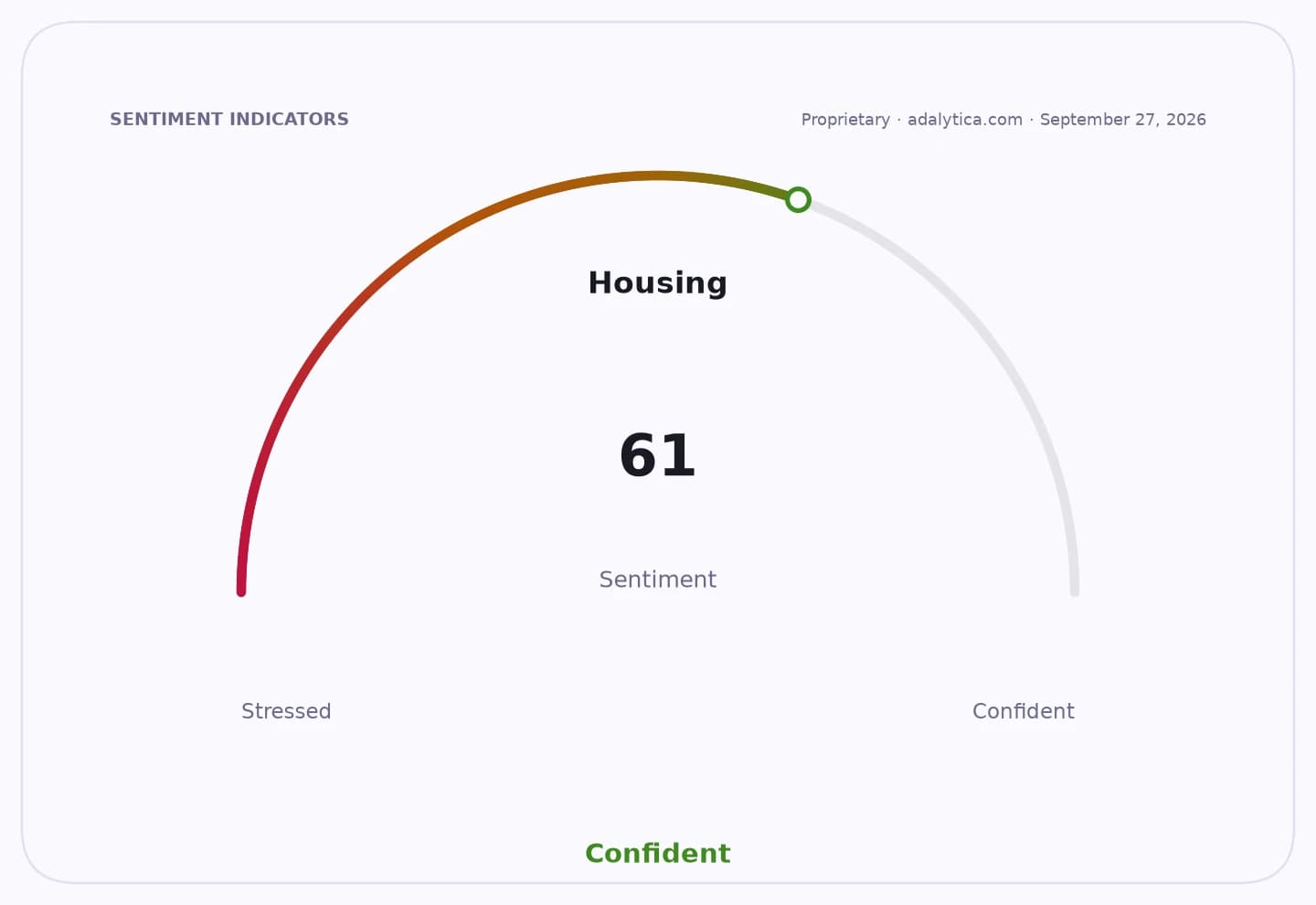
That matters because housing is now one of the biggest pressures on household budgets, local labor markets and municipal spending. When teachers, aides and other school staff struggle to live near the campuses where they work, districts face higher turnover, longer commutes and more hiring strain. For investors, that makes affordable housing more than a policy headline: it is a durable demand trend that can support developers, landlords, lenders and senior-housing operators with exposure to the shortage.
The backdrop is still hostile. U.S. home prices remain far above pre-pandemic levels, and the 10-year Treasury yield has climbed back above 5%, keeping mortgage rates elevated and locking many buyers out of the market. Housing starts have also been uneven, with the latest reading showing a forecast around 1.28 million units, little changed from recent months but well below the kind of surge needed to close the supply gap. In other words, the market is not producing enough homes fast enough, and the cost of financing remains a barrier.
That is why social mortgage programs can matter even if they look small at first. They are a sign that affordability is becoming embedded in how employers recruit and retain workers, especially in essential-services jobs. School districts are not trying to solve the entire housing crisis, but they are showing that access to housing is now part of the compensation package. For long-term investors, that can be a tailwind for housing-related assets tied to middle-income and workforce demand, not just luxury buyers.
The trend also fits a broader shift in public policy. Valais voters approved funding for affordable housing, and the Asian Development Bank has committed $100 million to disaster-resilient affordable homes, showing that governments and institutions are increasingly willing to use capital to relieve the pressure. That does not mean returns will be immediate, but it does suggest the market for affordable housing is becoming more investable, especially for platforms that can secure land, finance projects efficiently and work with public partners.
For real estate investors, the best opportunities often come when a structural problem persists long enough to force policy innovation. Affordable housing has now reached that stage. If school-worker mortgage support spreads, it could deepen demand for modest-priced homes near job centers, support rental markets where ownership remains out of reach, and eventually improve occupancy for operators serving middle-income and senior households.
SPG may feel the impact less directly, while names with more direct exposure to housing affordability, mortgages and workforce housing could benefit more. The challenge, of course, is execution: subsidies and special financing help only if they are paired with zoning reform, land availability and disciplined underwriting. But the direction is clear, and investors should view workforce-housing solutions as a long-term theme worth watching rather than a one-off headline.
| Entity | Gains | Losses |
|---|---|---|
| School employees | ▲Better home access | ▼Commuting stress |
| Local school districts | ▲Easier hiring/retention | ▼Wage pressure relief delayed |
| Affordable-housing developers | ▲More demand | ▼Higher execution risk |
| Existing homeowners | ▲Community stability | ▼Less policy urgency for broad relief |